Democrats notch win in TV ad rate case

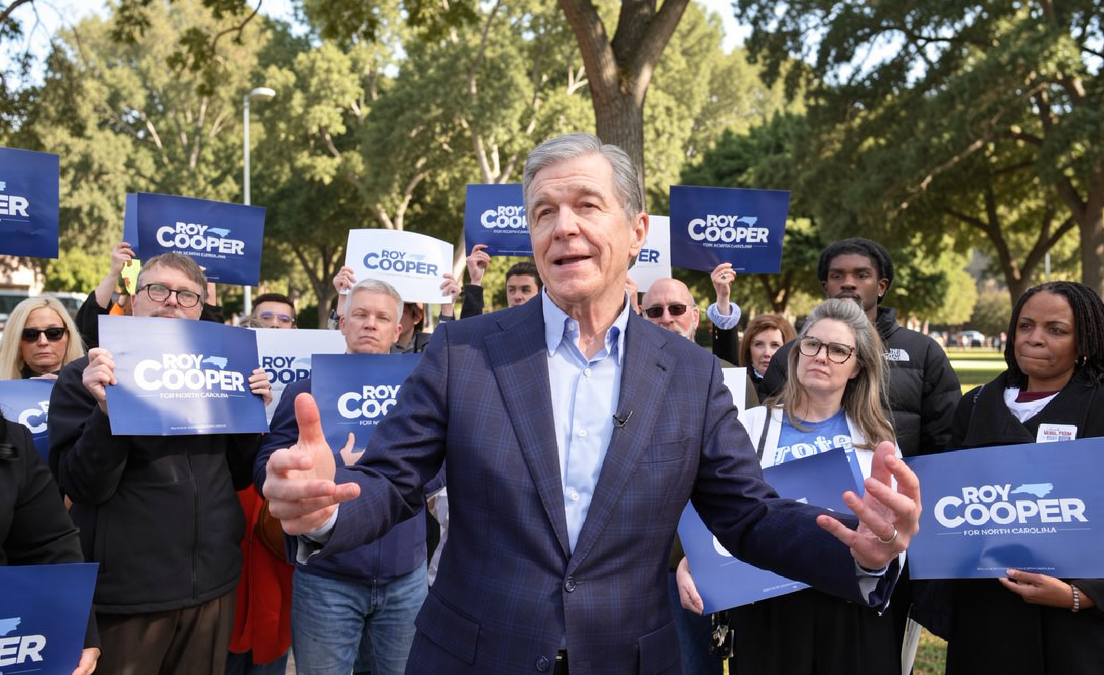
Table of Contents
Court Narrows Who Gets Discounted TV Ad Rates Ahead of Midterms
Provpnadvice.com – In a decision landing at the most consequential moment of the campaign calendar, a federal appellate panel has drawn a hard line around one of campaign finance’s oldest pricing rules: only candidates themselves — not their parties, not their super PACs, not their joint fundraising vehicles — qualify for the steeply discounted television advertising rates that broadcasters must extend during the final weeks before an election.
The Fourth Circuit Court of Appeals issued its 2-1 ruling on Tuesday, siding with a coalition of Democratic Senate candidates who challenged a Federal Communications Commission policy that had broadened access to what regulators call the “lowest unit charge,” or LUC. The case, styled against the FCC, the National Republican Congressional Committee, and the National Republican Senatorial Committee, effectively strips political parties and super PACs of the ability to buy broadcast campaign spots at the same reduced rates reserved for candidate campaigns.
What the Lowest Unit Charge Actually Does
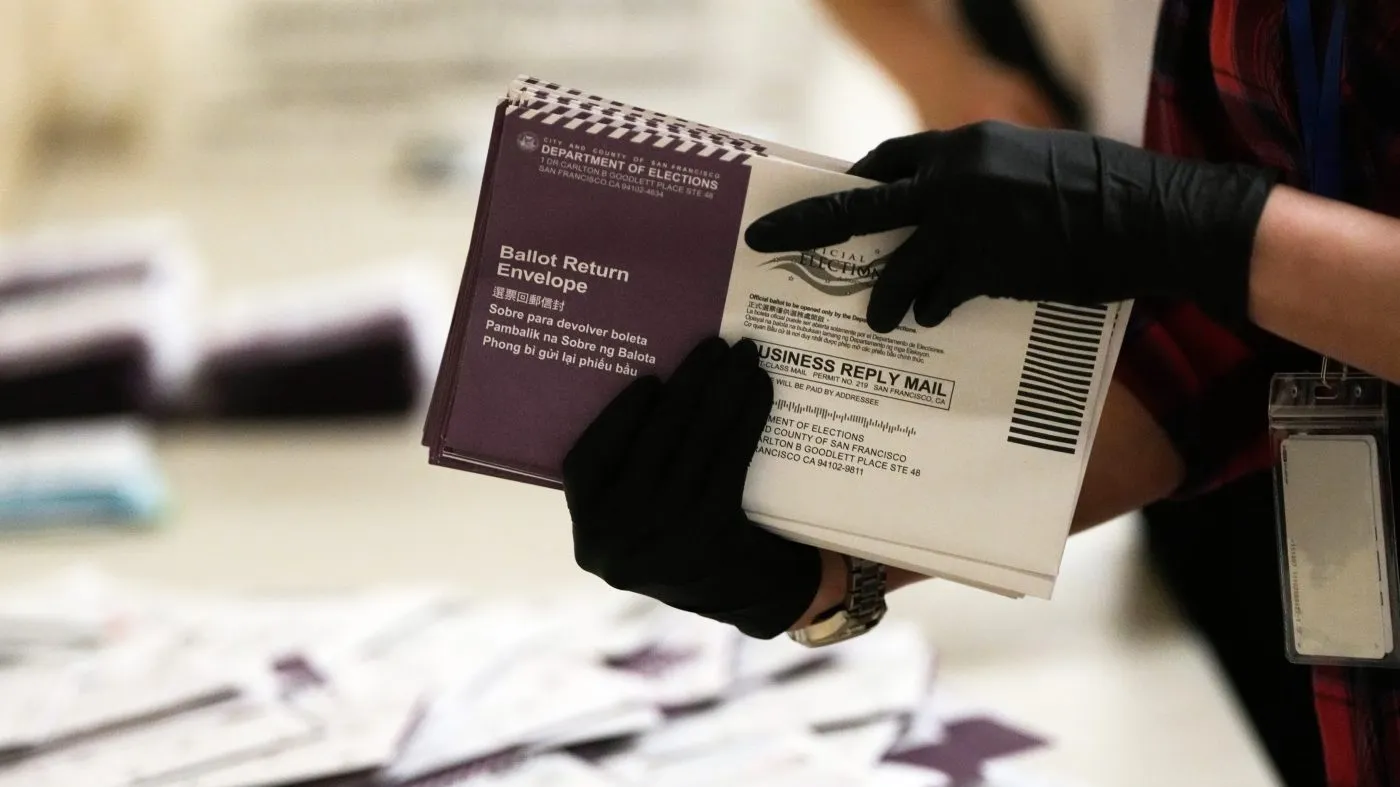
Under federal broadcast law, television and radio stations must offer campaign advertisers a discounted rate — the lowest unit charge — during defined windows before elections. That window opens 45 days before a primary and 60 days before a general election. The discount can be substantial, sometimes cutting the cost of a 30-second spot by half or more compared with commercial rates. For decades, the rule was understood to protect candidates directly, ensuring that individual office-seekers could compete for airtime without being priced out by corporate advertisers.
The question before the three-judge panel was whether that protection extends to entities that are not candidates but are affiliated with one: political parties, joint fundraising committees, and super PACs that coordinate spending with a candidate’s campaign. The majority answered no.
The Majority’s Reasoning
Writing for the majority, Judge Robert B. King — appointed by former President Bill Clinton — anchored the opinion in the statutory text and in existing FCC regulations governing how contributions flow through non-candidate committees.
“There is no question that candidates are entitled to the LUC,” King wrote. “At bottom, a joint fundraising committee ‘cannot be understood to be “using” a broadcaster on behalf of a candidate when it spends money that, under FCC regulations, was contributed to it as a contribution to a non-candidate committee and that must be deemed an expenditure by that non-candidate committee.’ We thus rule that the Media Bureau’s Public Notice illegally expands scope to extend the LUC to advertisements purchased by joint fundraising committees with noncandidate members.”
In practical terms, the ruling means that when a super PAC or a party committee buys a television ad in the final weeks of a race, it must pay the full commercial rate rather than the discounted campaign rate. The financial burden of late-season advertising therefore falls more squarely on the candidate’s own campaign treasury.
The Dissent and the Jurisdiction Question
Judge J. Harvie Wilkinson III, a former President Ronald Reagan appointee, dissented. His objection was procedural as much as substantive: he argued the court lacked jurisdiction to reach the merits of the challenge.
“The majority proposes nothing less than an upending of settled campaign finance ground rules right in the middle of an election season. Throughout this year’s primary season broadcasters have already provided LUC rates to groups the majority excludes from LUC eligibility,” Wilkinson wrote. “If allowed to remain in effect through the date of this year’s general elections, the Public Notice will simply apply the same consistent standards to the entire election season.”
His dissent underscores the timing problem: broadcasters across the country had already been extending discounted rates to party committees and joint fundraising vehicles during the primary season. The ruling now creates a split between what happened in the spring and what must happen in the fall.
Why the Timing Matters
The decision arrives in the final stretch of campaign season, weeks before the November general election. It follows a June Supreme Court ruling that eliminated longstanding limits on coordinated spending between political parties and candidates — a move that many analysts saw as handing Republicans a significant financial edge by allowing party committees to spend unlimited sums in coordination with their candidates. The Fourth Circuit’s LUC ruling partially offsets that advantage by ensuring that the discounted advertising rates remain a candidate-specific benefit rather than a party-wide subsidy.
The lawsuit was filed by four Democratic Senate nominees: former Senator Sherrod Brown of Ohio, Senator Jon Ossoff of Georgia, former North Carolina Governor Roy Cooper, and Representative Kristen McDonald Rivet of Michigan. Their argument was straightforward: if the discount is meant to level the playing field for individual candidates, extending it to well-funded party committees and super PACs distorts the very purpose of the statute.
Democratic Response and Strategic Implications
Party operatives welcomed the ruling quickly. Because Democratic Senate candidates have historically outraised their own party committees, the discount has been a meaningful financial tool for their campaigns. Removing that tool from the party and super PAC side narrows the spending gap in the final advertising window.
“Put plainly, today’s ruling makes clear that lowest unit rate is an exclusive right given to candidates and incumbent campaigns and that is the law of the land,” wrote Devan Barber, executive director of the Democratic Senatorial Campaign Committee, alongside Julie Merz, executive director of the Democratic Congressional Campaign Committee. “Democratic candidates’ strong grassroots fundraising amplifying the voice of everyday Americans remains a fundamental advantage in the midterms, and our stronger candidates and better campaigns will secure us House and Senate majorities in November.”
For broadcasters, the ruling introduces a compliance headache in the most expensive advertising period of the year. Stations must now verify, ad by ad, whether the purchaser is a candidate campaign or a non-candidate entity before applying the discounted rate. For candidates, the decision sharpens the financial stakes of the final 45 to 60 days: every dollar of late-season television must come from the campaign’s own coffers, not from a party committee’s broader war chest.
The case is unlikely to end here. With Wilkinson’s jurisdictional dissent and the Supreme Court’s recent reshaping of campaign-finance boundaries, a further appeal or a follow-on challenge from Republican committees remains a realistic possibility. But for now, the Fourth Circuit has drawn the line: the discounted rate belongs to the candidate, full stop.
Related Reading
Frequently Asked Questions
What is Democrats notch win in TV ad rate?
Democrats notch win in TV ad rate is the main topic of this guide. The article explains the context, practical details, and next steps readers should understand.
Why does Democrats notch win in TV ad rate matter?
Democrats notch win in TV ad rate matters because readers are looking for a useful answer, not just a short summary. Good content should match search intent and help them decide what to do next.