Tafoya blames Kristi Noem, Minnesota leadership for ICE rollout


Table of Contents
Tafoya Faults Federal and State Leaders Over Minnesota ICE Operation
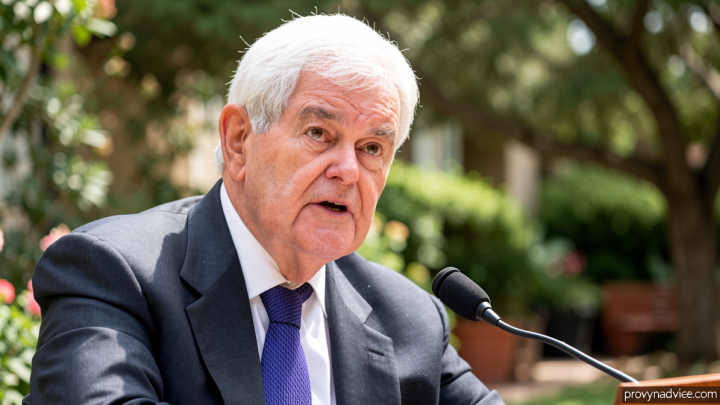
Provpnadvice.com – Minnesota Republican Senate candidate Michele Tafoya is criticizing both federal immigration officials and leaders in her home state after a turbulent Immigration and Customs Enforcement operation that drew national attention.
Speaking Sunday, Tafoya said the federal deployment and enforcement effort in Minnesota had been mishandled. She directed particular criticism at Kristi Noem, the former Homeland Security secretary who was later replaced, while also arguing that Minnesota officials did not do enough to support public safety during the operation.
“I’ve already said very publicly that I thought the ICE rollout here in Minnesota was very poorly handled, and Kristi Noem was fired appropriately,”
Tafoya made the remarks during an interview with Chris Stirewalt on “The Hill Sunday.” Her comments place her among Republicans publicly questioning how the immigration crackdown unfolded in the state, even as immigration enforcement remains a major political issue nationally.
Criticism Extends to Minnesota Officials
Tafoya did not limit her criticism to the Trump administration. She assigned responsibility to state leadership as well, arguing that local law enforcement was not given the opportunity to help protect residents amid the federal action.
“I’ll also give an F to the leadership here in Minnesota, however, for playing a part in that and not letting our local law enforcement help protect everyone. But I did think that was poorly handled, and I would say so,”
The comments underscore the difficult balance that can emerge when federal immigration agencies operate in communities where state and local leaders have different approaches to enforcement. In such situations, questions often center on public safety coordination, the role of local police and the effect of federal actions on residents.
For Tafoya, the issue is also politically significant as she seeks a Senate seat in a state where voters are likely to hear competing arguments about immigration policy, law enforcement and the appropriate limits of federal power.
Crackdown Ended After Arrests and Fatal Shootings
In mid-February, White House border czar Tom Homan announced that the administration’s immigration crackdown in Minnesota would conclude. The operation had resulted in thousands of arrests and followed the January deaths of two U.S. citizens, Alex Pretti and Renee Good, who were killed by federal agents.
The deaths in Minneapolis triggered widespread backlash against the Trump administration and intensified scrutiny of federal immigration authorities operating in the state. Noem faced mounting pressure over the Minnesota enforcement effort before being replaced as Homeland Security secretary.
The episode became a stark example of how immigration enforcement can rapidly move beyond a debate over policy and become a broader public concern involving accountability, coordination and confidence in government institutions. The fatalities placed particular focus on how federal agents conduct operations in densely populated communities and how officials respond when an enforcement action produces grave consequences.
Tafoya’s criticism suggests that she sees failures on both sides of the federal-state divide. Her position does not dismiss the immigration debate itself; instead, it focuses on the execution of the Minnesota operation and the responsibilities held by officials at multiple levels of government.
Immigration Remains a Political Vulnerability
The Minnesota dispute arrives as Republicans face broader criticism over immigration policy. Recent polling from The New York Times and Siena University found that 52 percent of respondents preferred Democrats’ handling of immigration, compared with 45 percent who favored Republicans.
That seven-point advantage highlights the political stakes for both parties. Immigration has long been an issue capable of motivating voters across the political spectrum, but public views can shift sharply when enforcement actions become tied to high-profile incidents, concerns about safety or dissatisfaction with government leadership.
For candidates such as Tafoya, the challenge is to address voters who want immigration laws enforced while also responding to concerns about the conduct and oversight of federal operations. Her comments on Minnesota reflect an effort to separate criticism of a specific rollout from the larger policy debate.
As the Senate campaign develops, the handling of the ICE operation is likely to remain part of the discussion. The events in Minnesota have left state and federal leaders facing continuing questions about what went wrong, how law enforcement agencies should work together and what protections are needed when immigration enforcement takes place in local communities.
Related Reading
Frequently Asked Questions
What is Tafoya blames Kristi Noem Minnesota leadership?
Tafoya blames Kristi Noem Minnesota leadership is the main topic of this guide. The article explains the context, practical details, and next steps readers should understand.
Why does Tafoya blames Kristi Noem Minnesota leadership matter?
Tafoya blames Kristi Noem Minnesota leadership matters because readers are looking for a useful answer, not just a short summary. Good content should match search intent and help them decide what to do next.