Trump won’t reimburse government for controversial ads

Table of Contents
Trump Will Not Repay Federal Funds Used for “Patriotic Ads”
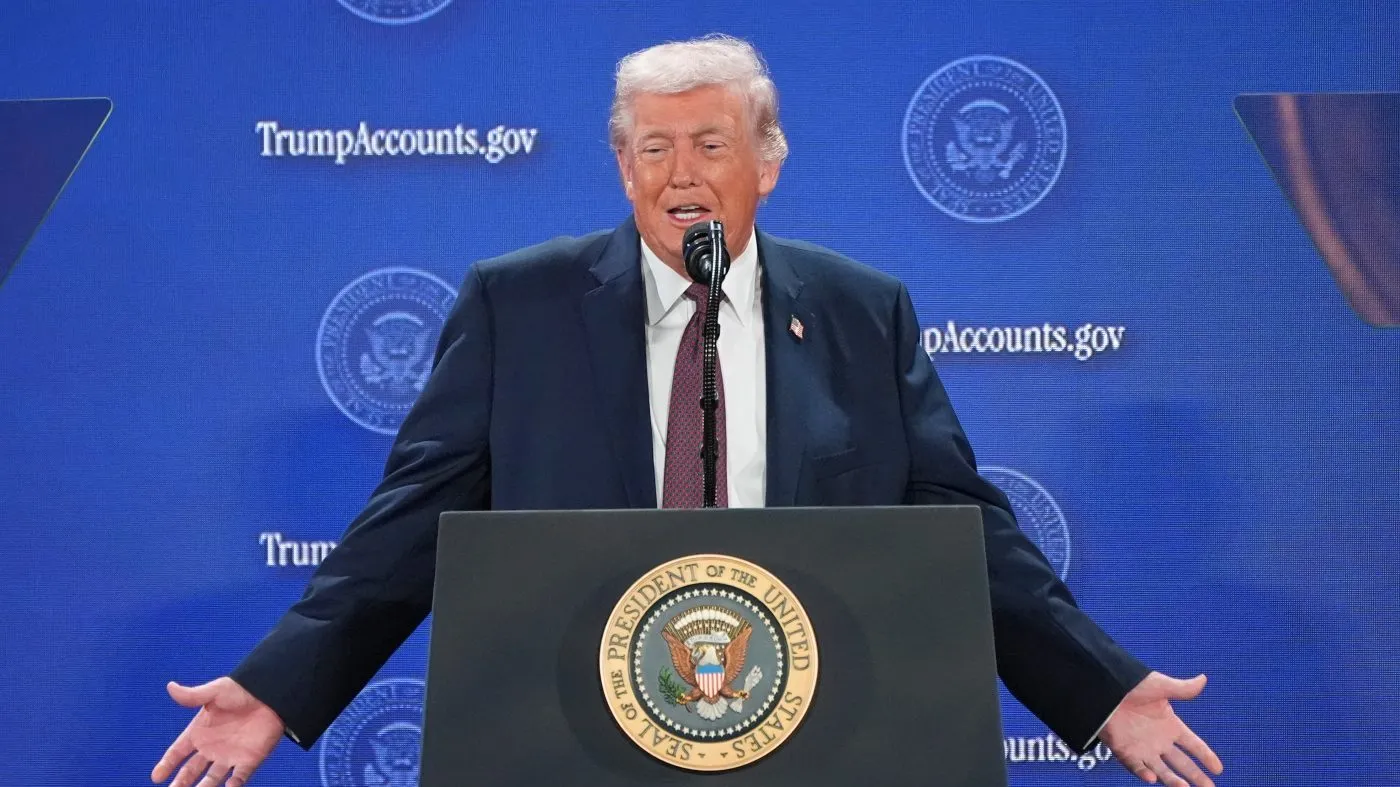
Provpnadvice.com – President Trump does not intend to reimburse the federal government for money already used to air a series of television advertisements that drew criticism over their use of taxpayer funds, the White House clarified Tuesday.
The issue emerged after Trump said he would personally finance future versions of the spots, known as “Patriotic Ads,” using money raised through MAGA, Inc. His statement followed objections from critics who argued that the ads carried an overtly political message despite being funded through a federal campaign.
A White House official said Trump’s public comments about paying for the ads himself applied prospectively and were not meant to signal that previously spent government money would be returned.
“The President’s Truth was not referring to reimbursement.”
A $20 Million Advertising Campaign
The advertisements are part of a $20 million campaign and include Trump’s voice declaring that the United States will overcome socialism and communism. Their message has prompted debate over the line between government communications and political promotion, particularly when public funds are involved.
Trump addressed the backlash in a Truth Social post Monday, describing the ads as a favorable message about the country rather than an improper political effort. He said the complaints were coming from the “Radical Left” and argued that using government resources for such advertising was not unusual.
“The Radical Left is upset with the fact that I am taking Ads, which I consider to be a positive promotion for our Great U.S.A., and paying for them with U.S.A. money,” Trump wrote.
He then said he had chosen to cover the cost of the “Patriotic Ads,” along with other advertising, through money raised for MAGA, Inc.
“This is a rather standard thing to do but, rather than doing that, although nothing will make them happy, I have decided to do the Patriotic Ads, among others, and pay for them myself, and with money I raised for MAGA, Inc.,” the president added.
White House Says Spots Are Not Political
The administration has maintained that the advertisements should not be treated as campaign material. Officials have emphasized that Trump is not a candidate on a ballot and that the commercials do not ask viewers to take a specific electoral action.
“The president is not on the ballot, and the ads don’t have a call to action,” a White House official said.
That distinction is central to the administration’s defense. Government agencies and officials routinely communicate with the public about policies, programs and administration priorities. The dispute over the “Patriotic Ads” centers on whether their themes and presentation amount to ordinary public messaging or a broader form of political advocacy.
For taxpayers, the controversy highlights the practical importance of how publicly funded communications are framed. A message may discuss government priorities without directly promoting a candidate, but critics can still question whether the wording, imagery or timing gives it a partisan character. The White House’s position is that these advertisements remain within the bounds of government outreach.
Vance Cites Earlier Government Advertising
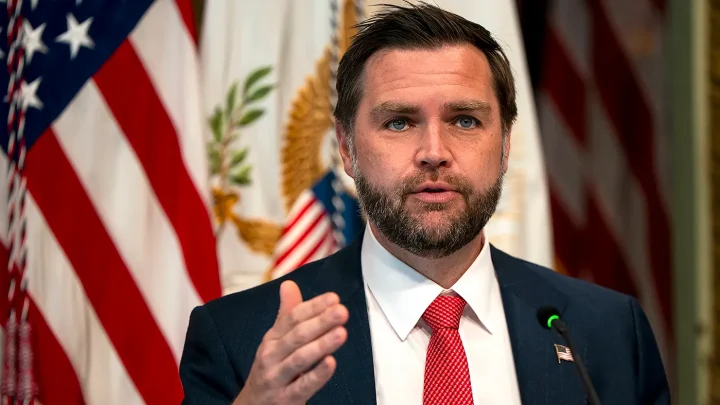
Vice President Vance also defended the campaign, arguing that government-funded efforts to explain or promote major policy initiatives have precedent. He pointed to advertising during the Obama administration related to the Affordable Care Act as an example of federal resources being used to publicize government actions.
“It’s part of, actually, I think, living in a constitutional republic,” Vance told reporters Monday. “You have to be honest with the American people about what you’re doing, about what’s going on.”
His comments framed the ads as part of the government’s obligation to communicate openly with the public. Supporters of that view may see the commercials as a statement of administration policy and national priorities. Opponents may continue to focus on whether the campaign’s rhetoric is too closely linked to Trump’s political identity to be financed by the government.
FCC Chair Sees No Need for Review
Federal Communications Commission Chair Brendan Carr said the advertisements did not appear to raise an issue requiring action by the agency. The FCC regulates aspects of broadcasting and communications, but Carr indicated that the content described in the spots did not stand out as warranting an FCC examination.
“Strikes me as out of the ordinary or that would merit any sort of FCC review,” Carr said of the ads.
The White House clarification means the spending already made through the federal campaign will remain unreimbursed, even as Trump says future advertising will be paid for with MAGA, Inc. funds. The distinction leaves the debate focused on the original use of taxpayer money and on the standards that should govern government-funded messages carrying politically charged themes.
For now, the administration’s defense rests on its view that the ads promote the country and communicate policy-oriented values rather than seek votes. Trump’s decision to fund future ads privately may reduce one element of the dispute, but it does not resolve the disagreement over the public money already used.
Related Reading
Frequently Asked Questions
What is Trump won t reimburse government for controversial?
Trump won t reimburse government for controversial is the main topic of this guide. The article explains the context, practical details, and next steps readers should understand.
Why does Trump won t reimburse government for controversial matter?
Trump won t reimburse government for controversial matters because readers are looking for a useful answer, not just a short summary. Good content should match search intent and help them decide what to do next.