Trump says he will pay for ‘Patriotic Ads’ himself after facing backlash from Democrats

Table of Contents
Trump Says He Will Personally Fund Patriotic Ad Campaign After Democratic Criticism
Provpnadvice.com – President Trump said Monday that he plans to cover the cost of a controversial advertising campaign himself after Democrats objected to the use of taxpayer funds for the spots.
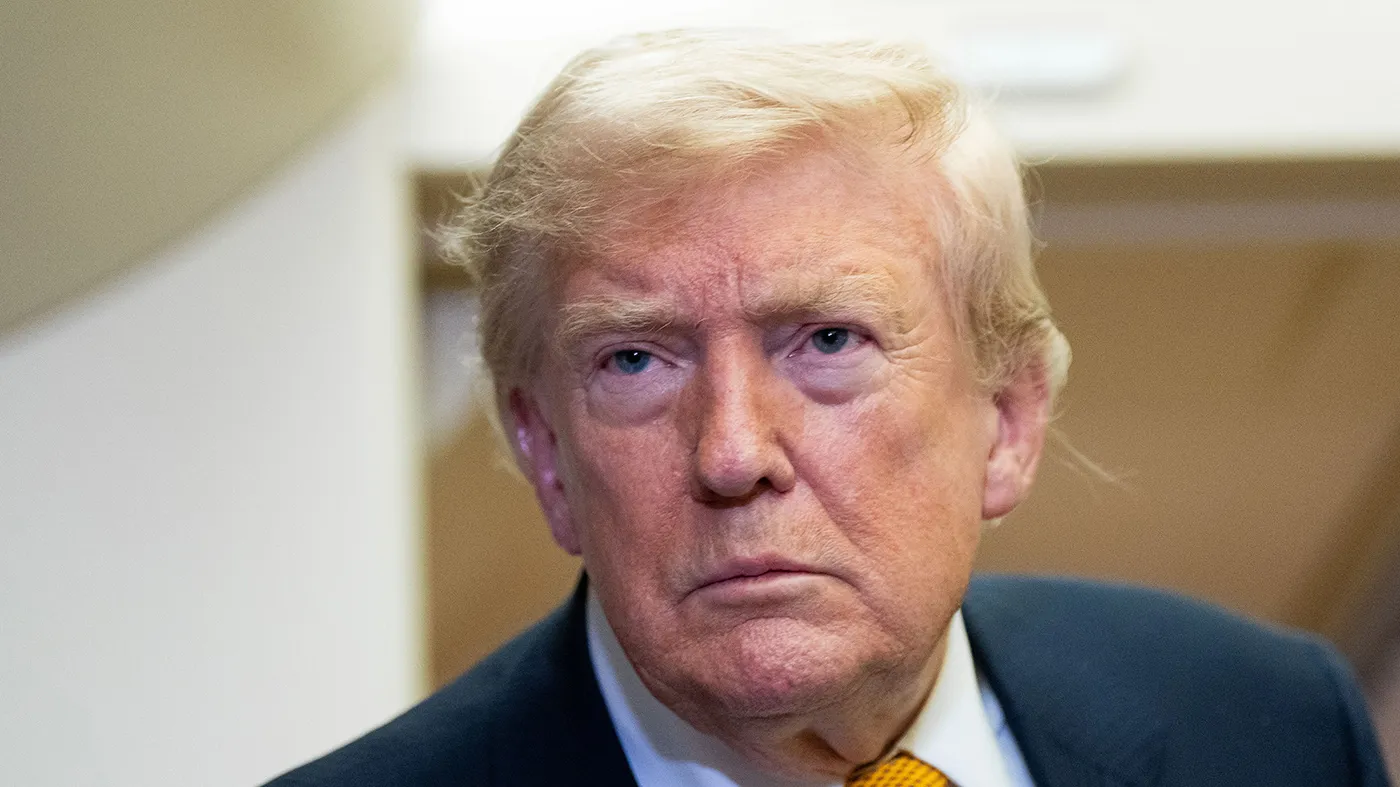
The campaign, described as “Patriotic Ads,” carries a reported price tag of $20 million and features messages about the country’s future, manufacturing and political conflict. Trump said he would use his own resources as well as money raised for MAGA, Inc. rather than federal funds.
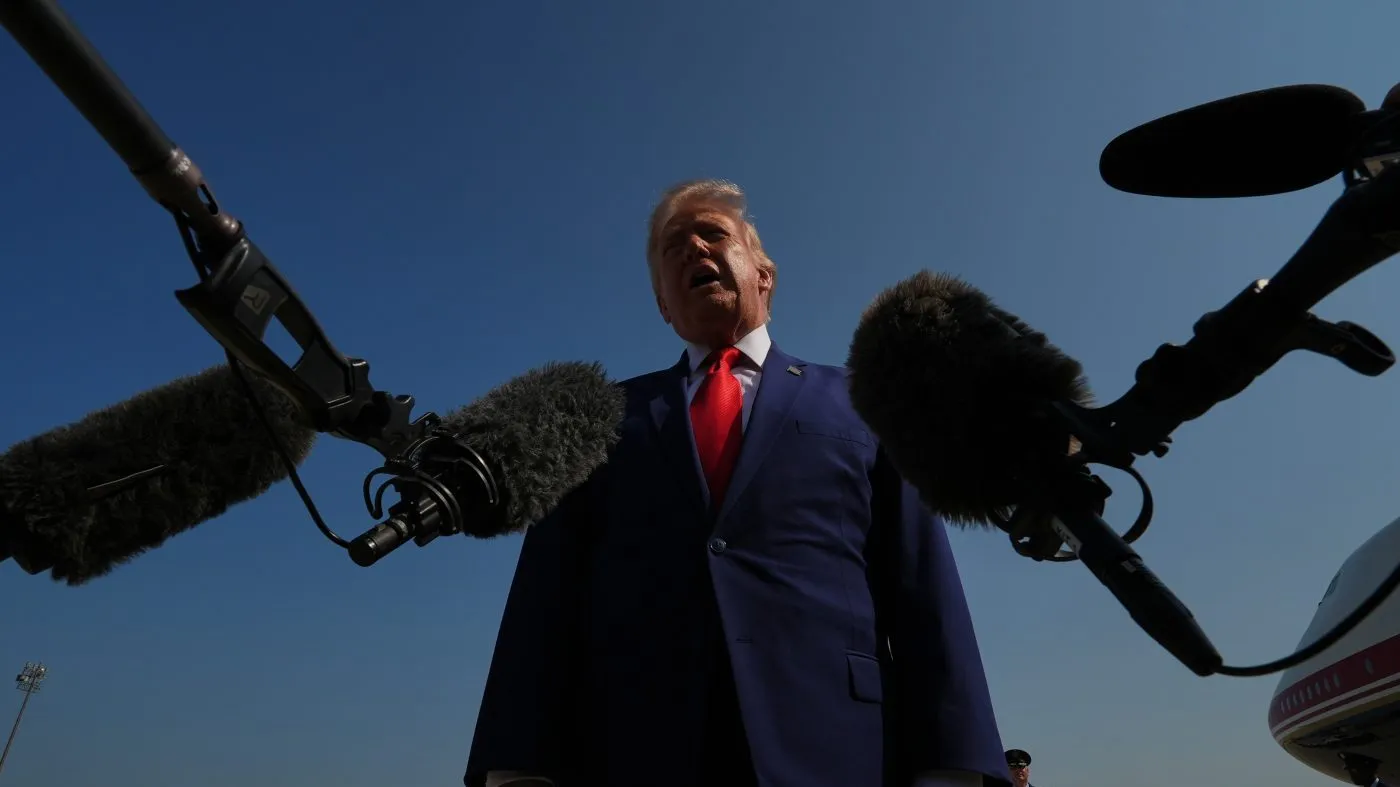
“The Radical Left is upset with the fact that I am taking Ads, which I consider to be a positive promotion for our Great U.S.A., and paying for them with U.S.A. money,” Trump wrote on Truth Social.
He argued that government-backed promotional messaging is routine, while acknowledging that his critics would remain dissatisfied. Trump said the new funding approach would apply to the patriotic spots and other advertisements.
“This is a rather standard thing to do but, rather than doing that, although nothing will make them happy, I have decided to do the Patriotic Ads, among others, and pay for them myself, and with money I raised for MAGA, Inc.,” the president added.
Messages Focus on Socialism, Manufacturing and Political Opponents
The advertisements do not promote a named candidate or political party, a point Trump has emphasized in defending the campaign. He has portrayed the commercials as an expression of national spirit rather than an electoral effort.
In the voiceover, Trump says the United States will prevail over socialism and communism. The ads also highlight his claim that American manufacturing is being revived during his presidency. At another point, Trump says that he and his supporters will free the country from “these villains once and for all,” a reference to members of the press and his political adversaries.
“Love Me,” performed by JMSN, the stage name of singer Christian Berishaj, plays underneath the narration. The campaign’s style and language have fueled objections from Democrats, who have questioned whether federal money should have been used for messages so closely tied to the president’s political identity and agenda.
The funding dispute matters because government communication can serve a legitimate public-information purpose, but it also faces legal and ethical limits. Federal agencies regularly issue public-service announcements about programs, public safety and government services. Critics contend that the patriotic spots go beyond that type of neutral outreach, while Trump and his allies characterize them as ordinary promotional messaging.
Vance and FCC Chairman Defend the Spots
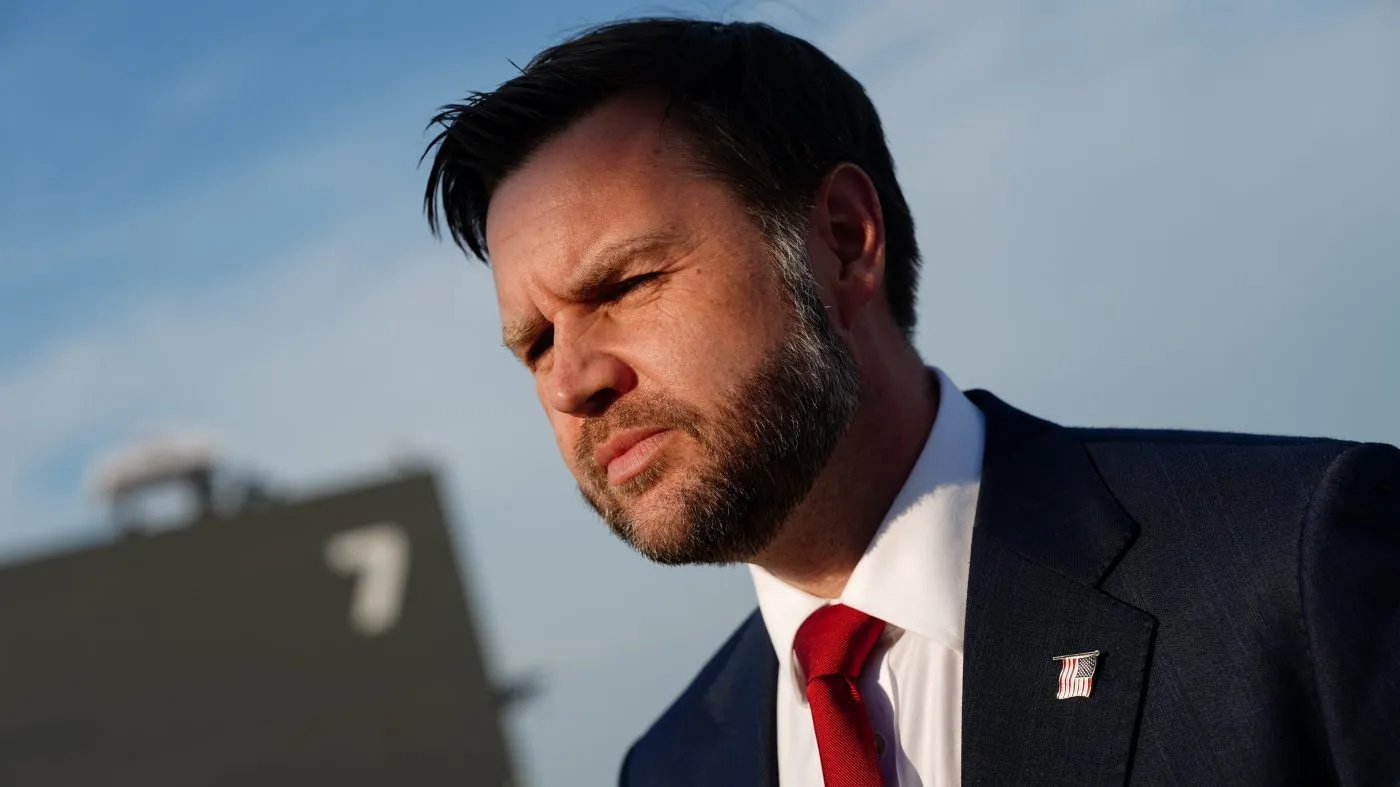
Vice President Vance defended the ads Monday, pointing to past instances in which federal funds were used to publicize government actions. He cited advertising connected to the Affordable Care Act during the Obama administration as an example. Trump stopped that outreach early in his first term.
“It’s part of actually, I think, living in a constitutional republic,” Vance told reporters Monday. “You have to be honest with the American people about what you’re doing, about what’s going on.”
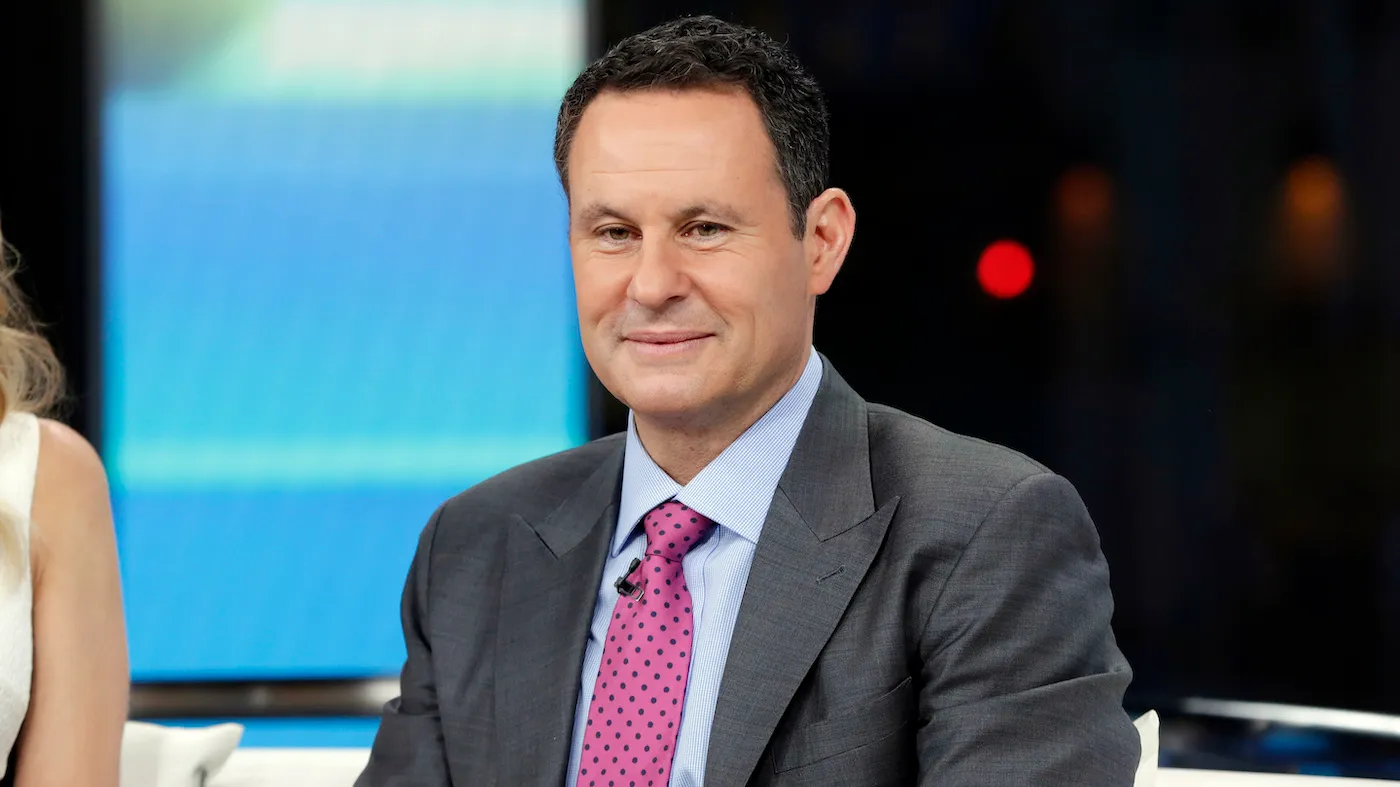
Brendan Carr, who leads the Federal Communications Commission and is an ally of Trump, also rejected suggestions that the ads require agency scrutiny. Carr said the material resembles public-service announcements commonly aired in the United States.
“There’s nothing in there that strikes me as out of the ordinary or that would merit any sort of FCC review,” Carr said. “There are groups on the left that have long worked and pushed to weaponize the FCC’s license renewal process. I’m sure they’ll do it again in the future. Again with respect to these, they are normal PSAs that don’t raise any red flags.”
Carr has initiated investigations involving several media companies whose news and entertainment operations have produced reporting or commentary critical of Trump. His comments on the ad campaign therefore arrive amid broader disputes over media regulation, political speech and the role of federal agencies.
Democrats Seek Accountability Review
Some Democratic lawmakers have asked the U.S. Government Accountability Office to examine the campaign. Reps. Jamie Raskin of Maryland and George Whitesides of California sent a letter questioning why federal tax money was being spent on what they called “desperate preelection propaganda.”
The lawmakers argued that the ads may conflict with multiple federal laws, including the Consolidated Appropriations Act and the Antideficiency Act. Their request centers on whether the original source of funding complied with restrictions governing how appropriated government money can be spent.
The Antideficiency Act generally limits the federal government from making expenditures or obligations beyond amounts made available by Congress. Appropriations laws can also place narrower conditions on particular categories of spending. A review by the Government Accountability Office could focus on the purpose of the advertisements, the agency or entity involved, the source of the money and whether applicable restrictions were followed.
Trump’s pledge to finance the campaign personally may shift the immediate argument over taxpayer funding, but it does not end the larger debate. The controversy illustrates how rapidly the line between government communication and political messaging can become contested when a president’s own voice, policy agenda and political opponents are central to an advertising campaign.
Related Reading
Frequently Asked Questions
What is Trump says he will pay for Patriotic?
Trump says he will pay for Patriotic is the main topic of this guide. The article explains the context, practical details, and next steps readers should understand.
Why does Trump says he will pay for Patriotic matter?
Trump says he will pay for Patriotic matters because readers are looking for a useful answer, not just a short summary. Good content should match search intent and help them decide what to do next.