Trump coy on ‘economic D-Day’ measures toward Russia, China

Table of Contents
Trump Plays Down Escalation as U.S. Economic Pressure Campaign Against Iran Gears Up
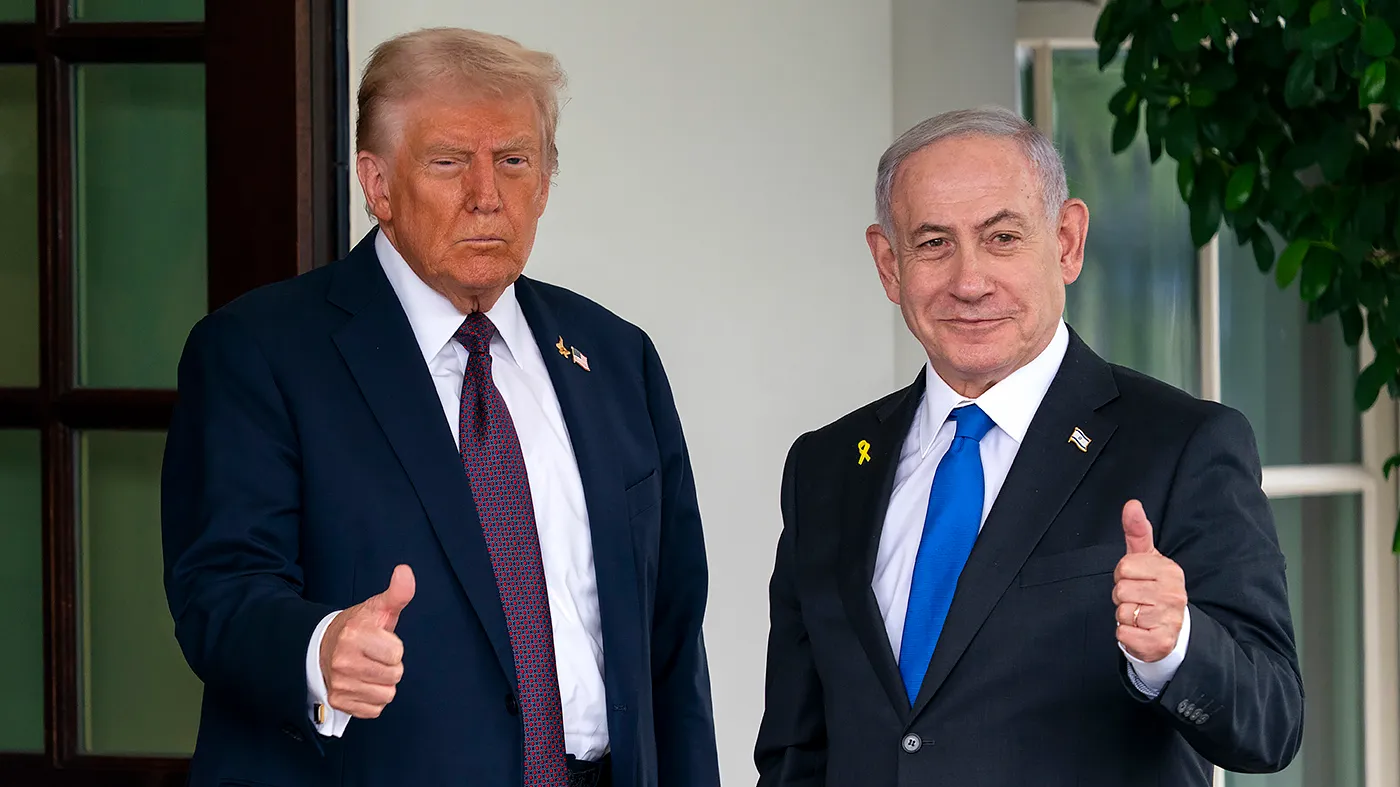
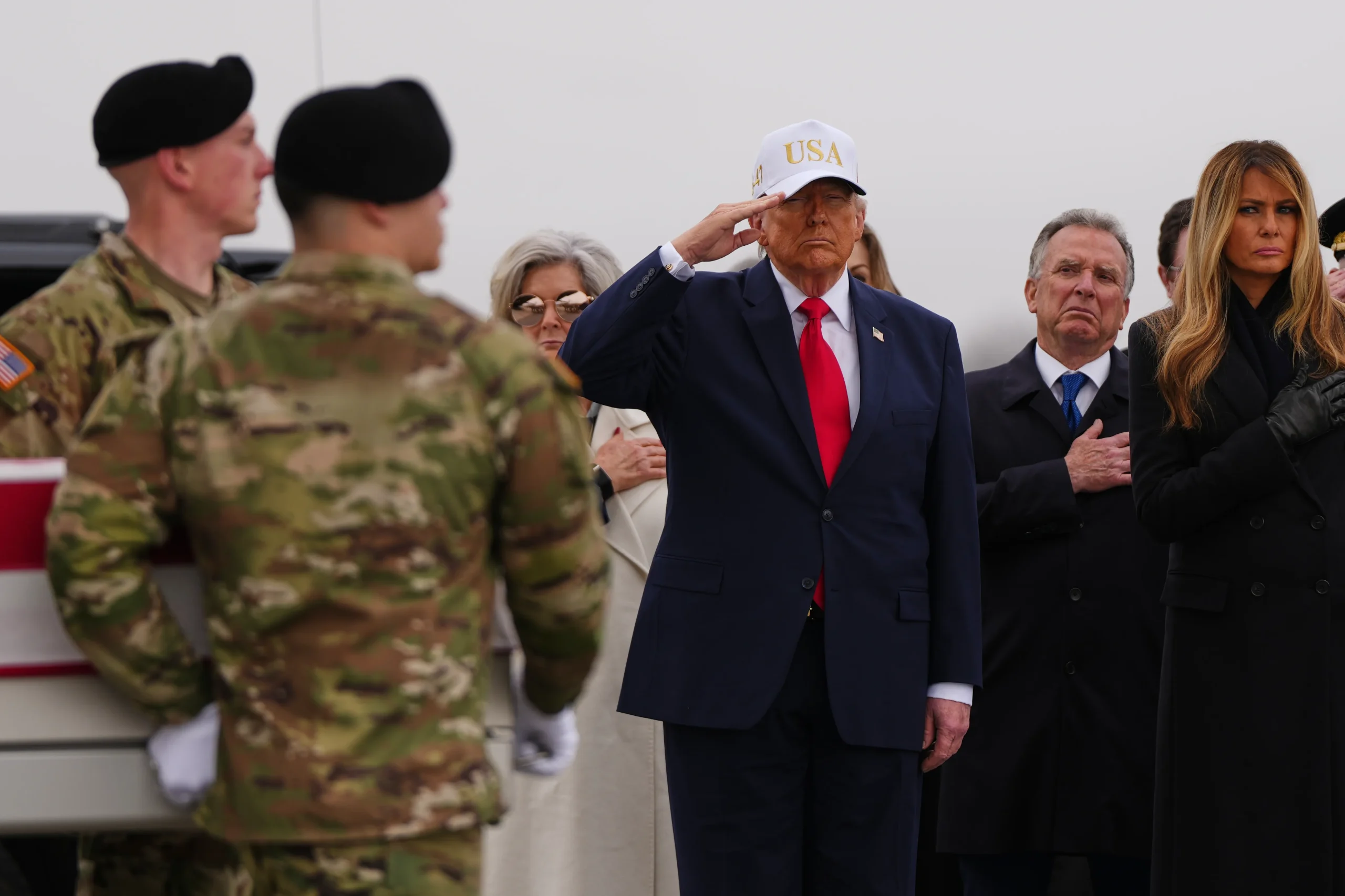
Provpnadvice.com – President Donald Trump offered a characteristically noncommittal answer Thursday when pressed on whether Washington’s so-called “economic D-Day” threats against Russia and China are being taken at face value by foreign capitals. The exchange came amid fresh reporting that Russian President Vladimir Putin is preparing to sit down with Iran’s president — a diplomatic signal that Moscow has not yet withdrawn from Tehran’s orbit despite months of American pressure.
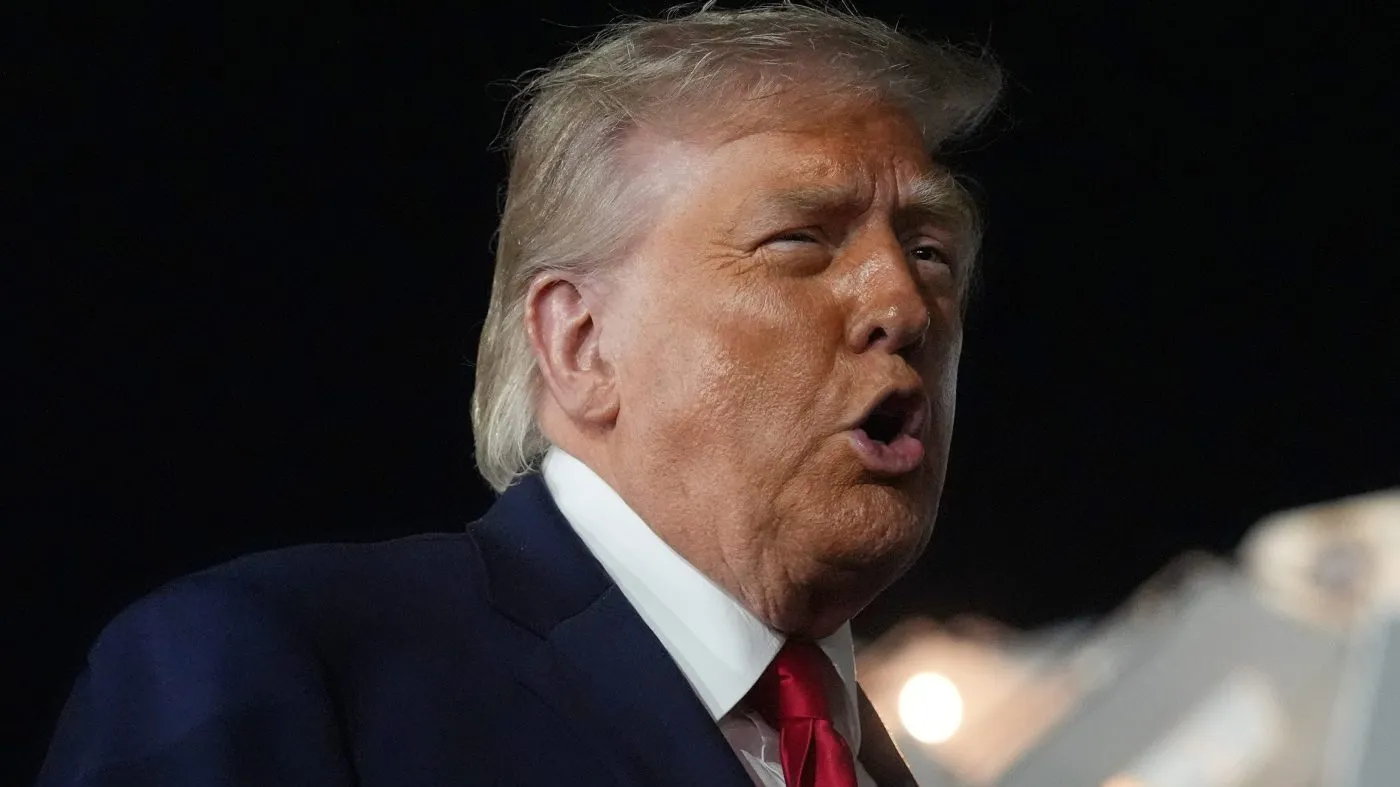
Asked directly whether he would impose penalties on Putin should Russia continue courting Iran, Trump paused before replying with two words:
“It depends.”
He then struck a conciliatory note toward Moscow, crediting the Kremlin for restraint around the Strait of Hormuz, the narrow waterway through which roughly a fifth of the world’s oil supply transits daily.
“I think Russia has behaved quite well having to do with the Strait of Hormuz,” Trump said.
The president extended the logic to Beijing, dismissing the notion that American surveillance of Chinese institutions is somehow asymmetric.
“For everything they do, we do also,” he said. “Somebody said what about China spying. We spy on them too. That’s the way it goes.”
The Chinese-Bank Question
A sharper question followed: why had Washington not yet sanctioned Chinese banks that continue clearing transactions for Iran, a move that would tighten the noose around Tehran’s remaining access to global trade finance. Trump deflected with a rhetorical shrug.
“Well, who said I’m not?” he said. “I mean, who said I’m not? You don’t know if I’m doing it. Well, I don’t have to announce everything, do I?”
The answer underscores a broader pattern in the administration’s economic-statecraft playbook: keep counterparties guessing about the next sanction package, the next secondary penalty, the next bank placed on a watch list. Uncertainty, in this calculus, is itself a lever of pressure.
Bessent’s “Operation Economic Outcast” and the Dollar Lever
The architecture behind the president’s bluster is being built in Treasury. Secretary Scott Bessent spent last week warning Iran’s remaining global trading partners that they must sever financial ties with Tehran or risk being locked out of the U.S. dollar clearing system — a strategy the department has internally branded “Operation Economic Outcast.” In practical terms, that means any bank, insurer, or commodity trader that continues to process Iranian oil sales, petrochemical exports, or steel shipments could find its own dollar accounts frozen or its correspondent relationships severed.
Bessent declined to name which countries or institutions are on the short list, explaining that Washington is deliberately holding back from immediate enforcement to avoid jolting commodity markets or triggering a broader dollar-liquidity scare. The sequencing matters: the administration wants the threat to be credible enough to change behavior before the first formal penalty lands.
He added that Trump himself has been placing phone calls to heads of state, while officials across the Defense, Treasury, and State departments are working their respective counterpart channels to demand concrete steps in cutting off Iranian financial access.
The G20 Stage
The next public venue for this campaign is the Group of 20 summit, scheduled later this month. Fox News reported Thursday that Bessent intends to use the gathering of global finance ministers to press colleagues to “sever the economic leakage” of their own financial ties to Iran — language that frames continued Iranian trade not as a bilateral choice but as a collective free-rider problem on the dollar system.
The G20 setting is deliberate. By raising the issue among peers rather than unilaterally announcing penalties, the administration hopes to distribute the diplomatic cost of isolation across multiple capitals, making it harder for any single government to absorb the economic pain of cutting Tehran off.
Strait of Hormuz and the Blockade
On the maritime front, Trump insisted Thursday that commercial vessels are still transiting the Strait of Hormuz, a claim that, if accurate, would suggest the U.S. naval presence is functioning as a selective filter rather than a total closure. He added that he felt no urgency to reopen negotiations with Tehran.
The president painted a picture of an Iranian economy under acute fiscal strain, asserting that the regime is not currently paying its military personnel and that the country is in what he called “deep trouble.”
“We have control, and we have the blockade,” he said. “Iran’s not getting anything.”
Whether that characterization holds up under scrutiny from Tehran’s own revenue data remains to be seen, but the rhetorical framing is clear: the administration wants the world to understand that the economic squeeze is already doing its work, and that any further escalation — whether against Moscow, Beijing, or a European clearing house — is a choice, not an inevitability. The ambiguity is the point.
Related Reading
Frequently Asked Questions
What is Trump coy on economic D Day measures?
Trump coy on economic D Day measures is the main topic of this guide. The article explains the context, practical details, and next steps readers should understand.
Why does Trump coy on economic D Day measures matter?
Trump coy on economic D Day measures matters because readers are looking for a useful answer, not just a short summary. Good content should match search intent and help them decide what to do next.