Chief Justice Roberts briefly allows White House ballroom construction

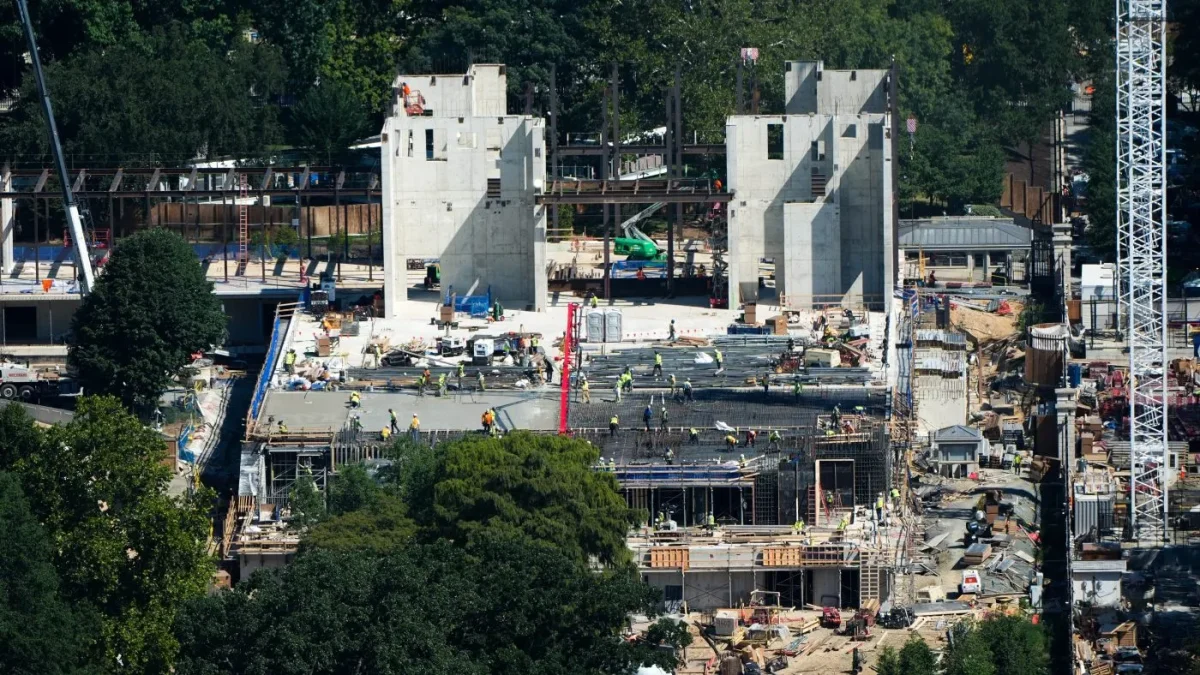
Table of Contents
Supreme Court Chief Justice Roberts Pauses Ballroom Shutdown Order, Buying Time for Administration’s Emergency Appeal
Provpnadvice.com – In a move that temporarily keeps crews working on the White House ballroom, Chief Justice John Roberts issued a short order late Friday evening that stayed a lower court’s deadline requiring above-ground construction to cease by day’s end. The directive grants the Supreme Court additional days to evaluate an emergency petition filed by the Trump administration, which seeks to intervene in an ongoing circuit-court dispute over whether the project received proper congressional authorization. Roberts provided no written explanation for his decision, and the order carries no signal about how the full bench might ultimately rule on the substantive legal questions at issue.
How the Emergency Appeal Reached the Chief Justice
Under long-standing Supreme Court practice, Roberts personally handles urgent applications that originate from the District of Columbia because he sits as the court’s default point of contact for matters arising in the nation’s capital. That procedural role does not mean he has decided the merits. He retains the option to circulate the petition to all eight remaining justices for a full-court vote, a step that is customary when the Department of Justice is the party seeking intervention. Until such a referral occurs, the matter rests in his hands alone, and the construction site remains open.
The temporary reprieve is narrow in scope. It does not grant a permanent license to build; it merely suspends the lower court’s enforcement deadline long enough for the Supreme Court to determine whether it will hear the case on an expedited schedule. If the justices decline intervention, the original circuit-court order resumes its force, and work must stop.
The Underlying Dispute: Congressional Authorization and Historic Preservation
The ballroom project, spanning roughly 90,000 square feet, has drawn a legal challenge from the National Trust for Historic Preservation. The preservation organization persuaded the U.S. Court of Appeals for the District of Columbia Circuit that the structure required additional congressional approval before construction could proceed. In its filings, the Trust, represented by the law firm Foley Hoag, framed the question as one of separation of powers rather than mere aesthetics.
“If Petitioners believe there is a pressing need for a ballroom, nothing prevents them from asking Congress for one — today, tomorrow, or any time in the future,” the group wrote. “But Petitioners’ efforts to foil judicial review and arrogate Congress’s exclusive powers should not be rewarded.”
The Trust’s position rests on the principle that major alterations to the White House grounds, particularly those involving public-facing structures of this scale, implicate congressional authority over federal property and historic landmarks. The administration, by contrast, contends the project already carries the necessary approvals because it is financed with private funds rather than taxpayer dollars, and it questions whether the preservation group possesses standing to bring the suit at all.
The Administration’s Security Justification
In its emergency filing, the Justice Department argued that halting construction mid-project would create security vulnerabilities in the immediate vicinity of the president. The department pointed to a recent series of shootings and threats directed at President Trump’s surroundings as evidence that the ballroom’s structural elements serve a protective function beyond their ceremonial purpose. Under that framing, an abrupt work stoppage would leave gaps in the physical security envelope around the executive residence.
Solicitor General D. John Sauer addressed the justices directly on the standing question, warning that a broad reading of the preservation group’s claim would flood the courts with litigation over government buildings.
“That would open the courthouse doors to any of the millions of people who visit government buildings, historic sites, or parks and happen to think that they dislike something they see,” Sauer told the court.
Broader Implications and Parallel Litigation
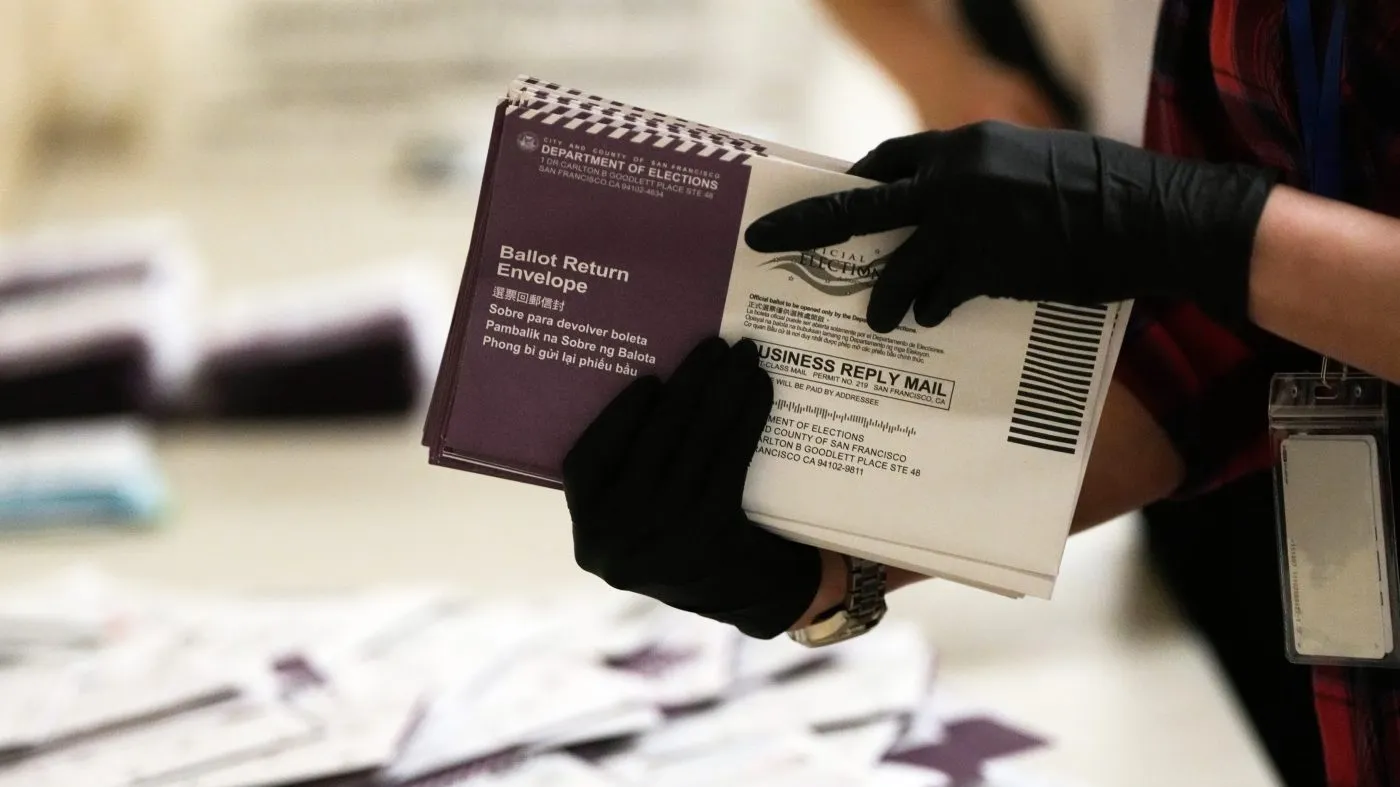
The ballroom fight sits alongside another emergency petition the Supreme Court is simultaneously weighing: the administration’s bid to enforce an executive order targeting mail voting in time for the upcoming midterm elections. Together, the two matters place the court at the center of two high-stakes constitutional questions within a single week, testing how quickly the justices will act when the executive branch frames its positions as urgent.
For observers of separation-of-powers doctrine, the Roberts order is procedurally unremarkable but symbolically loaded. It underscores that even a single justice can alter the timeline of a major construction project on the White House grounds, and that the emergency-docket mechanism gives the executive a powerful tool to delay adverse lower-court rulings while it marshals arguments before the full bench. Whether the court ultimately grants intervention, denies it, or simply lets the circuit ruling stand will shape how future administrations approach alterations to federal landmarks and the limits of private funding as a shield against congressional oversight.
Spokespeople for the Trust’s legal team and for the Justice Department had not responded to requests for comment as of publication.
Related Reading
Frequently Asked Questions
What is Chief Justice Roberts briefly allows White?
Chief Justice Roberts briefly allows White is the main topic of this guide. The article explains the context, practical details, and next steps readers should understand.
Why does Chief Justice Roberts briefly allows White matter?
Chief Justice Roberts briefly allows White matters because readers are looking for a useful answer, not just a short summary. Good content should match search intent and help them decide what to do next.