Supreme Court’s expansion of Trump’s firing power heads for new test

Supreme Court’s Firing Power Expansion Faces New Scrutiny
Provpnadvice.com – President Donald Trump’s broadened authority to remove agency heads has encountered its next legal challenge, with two former members of the National Credit Union Administration (NCUA) announcing their intent to contest their dismissals. The dispute, which began after Trump terminated their positions in April, has now reached a higher court, where they argue the agency’s structure and independence are under threat.
NCUA and Federal Reserve: A Parallel in Regulatory Independence
The legal team representing the dismissed officials contends that the NCUA operates in a manner analogous to the Federal Reserve, a body the Supreme Court has suggested might still retain its autonomy from executive control. In their appeal, they emphasized that the NCUA was intentionally designed by Congress to function similarly to the Fed, sharing comparable responsibilities in overseeing financial markets and credit institutions.
“The NCUA follows in that same lineage,” the lawyers stated in court documents.
They cited historical precedents, including the English tradition of insulating officials responsible for managing cooperative financial systems from political interference. This tradition, they argued, was carried forward by the Founding Fathers when they established the First and Second Banks of the United States, ensuring institutional independence for key regulatory bodies. The case now hinges on whether this historical framework extends to the NCUA, despite the recent ruling that undermines such protections.
Supreme Court’s 6-3 Ruling: A Shift in Presidential Power
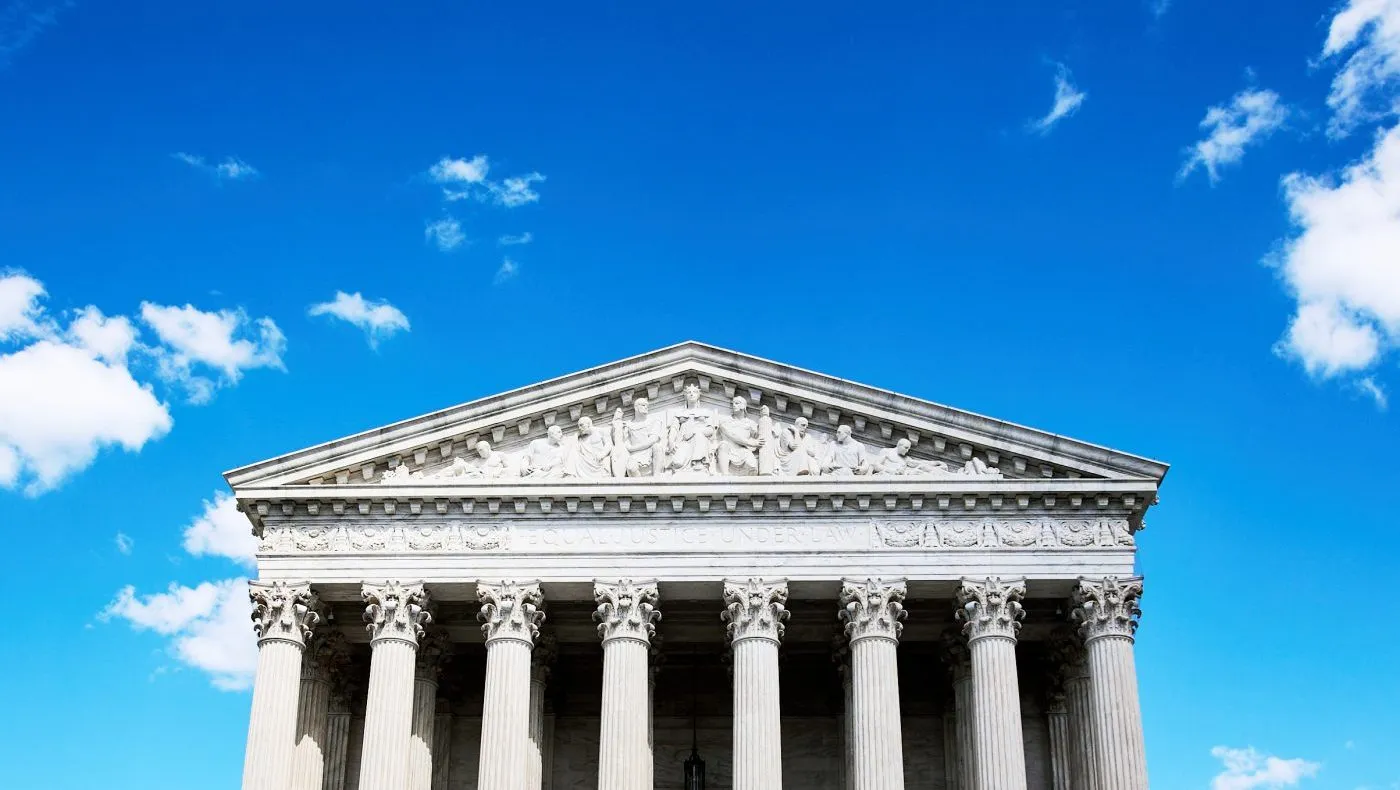
This week, the Supreme Court delivered a landmark 6-3 decision that upended a longstanding legal principle. By overturning nearly a century of precedent, the court ruled that Congress cannot insulate certain agency leaders from being fired by the president at will. The decision, authored by Chief Justice John Roberts, asserted that the president’s power to remove senior officials is central to the separation of powers, and that such authority should apply broadly across the federal government.
“Our prior cases do not necessarily implicate the constitutionality of such arrangements. Our opinion today should not be read to do so either,” Roberts noted in his judicial opinion.
The ruling effectively dismantles a key barrier to presidential removal of regulatory leaders, paving the way for future challenges to the independence of agencies like the Federal Trade Commission (FTC). While the decision grants the president wide latitude to act, it also leaves room for exceptions, particularly in cases involving agencies with a unique historical role in financial oversight.
Historical Lineage and the NCUA’s Role in the Debate
The NCUA’s legal team highlighted the agency’s institutional roots in their filings, drawing parallels to the Federal Reserve’s enduring independence. They argued that the NCUA’s governance model, which includes a three-member board appointed by the president, mirrors the Fed’s structure. This, they claimed, establishes a historical continuity that should shield the agency from arbitrary removals.
“Appellees will further demonstrate that, like the Federal Reserve, the NCUA traces its institutional independence through a continuous historical lineage—from the English tradition of insulating Crown officials charged with superintending cooperative financial institutions to the founding generation’s guarantees of autonomy for early banking institutions, and finally to Congress’s deliberate restructuring of the NCUA in 1978,” the lawyers explained.
The case has become a focal point for interpreting the boundaries of presidential authority. While the Supreme Court’s decision broadly supports the president’s right to fire leaders, it also signals that certain agencies, such as the Federal Reserve, may be granted exceptions based on their long-standing roles in economic management. The NCUA’s appeal seeks to establish that its status as a quasi-independent body should be recognized in this context.
Ripple Effects Across Federal Agencies
The implications of the ruling extend beyond the NCUA. At the Surface Transportation Board, where Trump had previously removed a member, the case has seen adjustments. Robert Primus, who was dismissed by the president, has scaled back some of his legal claims in light of the decision, though he continues to assert that his termination was racially motivated.
Similarly, at the Equal Employment Opportunity Commission (EEOC), the judge overseeing a lawsuit against Commissioner Jocelyn Samuels has ordered her to clarify by month’s end whether the case can proceed. The ruling has emboldened other agency leaders to challenge their removals, creating a wave of legal action across the federal government.
Broader Implications for Executive Power
While the decision reinforces the president’s ability to dismiss senior officials, it also raises questions about the balance of power between the executive and legislative branches. The NCUA case is now a critical test of whether the court’s interpretation of separation of powers applies universally or if exceptions can be carved out for agencies with a long history of autonomy.
Legal experts note that the ruling could have far-reaching consequences for future administrations. If the NCUA’s argument is accepted, it may set a precedent for preserving the independence of other regulatory bodies. However, if the court’s majority view prevails, it could open the door to more frequent and unilateral dismissals of agency leaders, regardless of their institutional role.
As the legal battle unfolds, the NCUA’s board members remain determined to prove that their agency deserves special consideration. Their lawyers are preparing detailed arguments to present in the coming weeks, aiming to show that the NCUA’s structure and purpose align with the Federal Reserve’s model and warrant protection from the president’s unchecked removal power.
The Supreme Court’s decision marks a pivotal moment in the ongoing debate over executive authority and regulatory independence. With the NCUA case serving as a key example, the court’s interpretation of the separation of powers will likely shape the future of how presidents interact with federal agencies, testing the limits of their influence in the years to come.