Grassley, Whitehouse blast Treasury decision on FinCEN

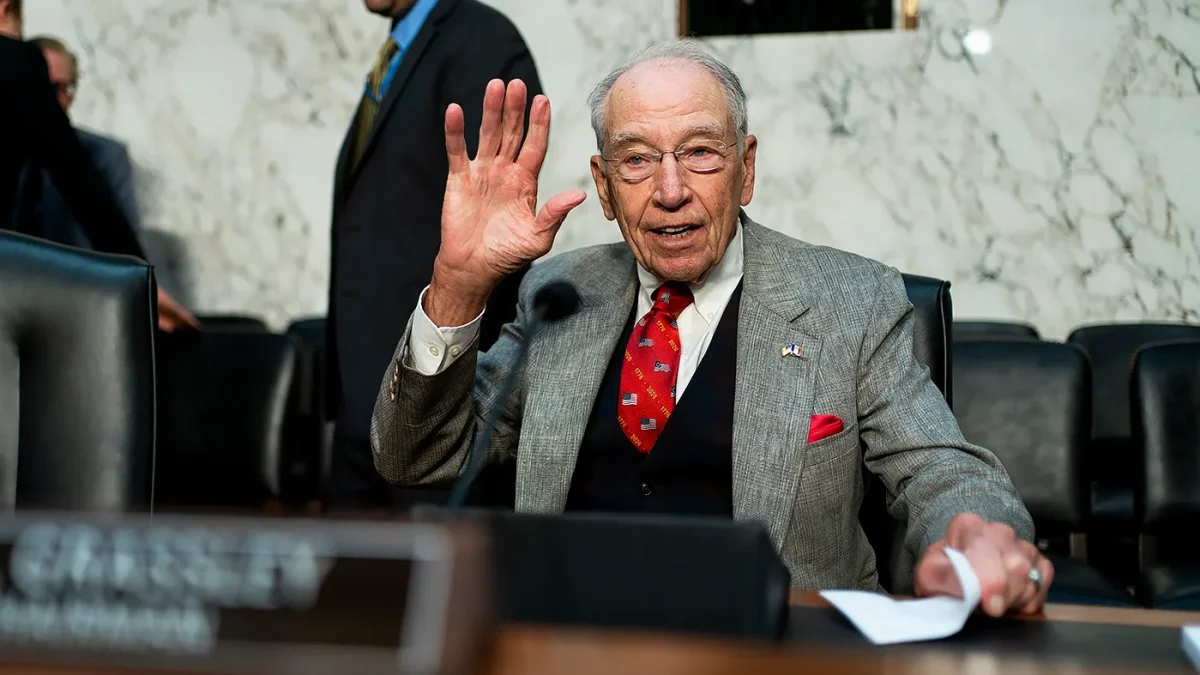
Table of Contents
Senators Challenge Treasury’s Broad Exemption from Beneficial Ownership Reporting
Provpnadvice.com – Two prominent members of Congress have voiced strong opposition to a recent Treasury Department policy shift that dramatically reduces the number of companies required to disclose who truly owns and controls them. Senator Chuck Grassley, a Republican from Iowa, and Senator Sheldon Whitehouse, a Democrat from Rhode Island, released a coordinated statement Thursday condemning what they view as a significant departure from congressional intent.
The lawmakers criticized the Treasury Department’s choice to remove nearly all domestic entities from the obligation to report their beneficial ownership information to the Financial Crimes Enforcement Network, commonly known as FinCEN. This regulatory adjustment, formally published on Tuesday, represents one of the most substantial changes to corporate transparency requirements in recent years.
Concerns About Undermining Congressional Intent
In their joint statement, Grassley and Whitehouse expressed deep reservations about whether the new policy aligns with what Congress originally envisioned when passing the Corporate Transparency Act. They argued that the legislation was designed specifically to equip federal authorities with mechanisms to combat various forms of financial wrongdoing.
“The Treasury Department’s final rule exempting U.S. based companies from the Corporate Transparency Act’s reporting requirements undermines the clear intent of the law,” the senators declared in their statement.
The legislators emphasized that the original purpose of the Corporate Transparency Act extended beyond simple record-keeping. According to the senators, the law was crafted to provide government officials with essential capabilities to tackle serious criminal enterprises, including human trafficking operations, terrorist funding networks, international drug trafficking, and efforts to circumvent economic sanctions.
“This decision is an unfortunate one that fails to use all available tools to protect Americans and crack down on illicit financial schemes,” the senators cautioned in their statement.
Understanding the Beneficial Ownership Framework
To fully appreciate the scope of this policy change, it helps to understand what beneficial ownership reporting entails. Under FinCEN’s definition, a beneficial owner is any individual who exercises meaningful control over a company or holds at least twenty-five percent of its ownership interests, whether through direct or indirect means.
The Treasury Department initially introduced its proposal to modify these reporting obligations back in March. The agency’s latest action effectively reverses a policy that was established during the Biden administration, which had sought to strengthen oversight of financial transactions and reduce opportunities for money laundering and other illicit activities.
Treasury Secretary Defends the Policy Shift
Treasury Secretary Scott Bessent has been vocal in his support for the revised approach. He characterized the previous administration’s requirements as overly burdensome for millions of legitimate business operators across the country.
During a radio interview with WHO Newsradio in Iowa, Bessent addressed critics who argued that removing reporting requirements would create vulnerabilities. He contended that sophisticated criminal organizations would not voluntarily comply with any reporting system, regardless of how comprehensive it might be.
“With FinCEN, we track the cartels. We track the illegal money going through our system. Let me tell you, the Mexican cartels, they’re not going to file a form and say, ‘Oh, hello, the El whatever here in Sinaloa — we’re sending in drug money.’ They are very sophisticated,” Bessent explained.
The Treasury Secretary also highlighted the financial burden that the previous rule placed on legitimate enterprises. He estimated that small businesses could face additional compliance expenses of approximately two thousand five hundred dollars under the Biden-era requirements.
“All this was going to be was $2,500 more, potentially, to small businesses. And we want the businesses to keep that,” he stated.
Small Business Community Welcomes the Change
The National Federation of Independent Business, a major advocacy group representing small enterprises, issued a statement praising the Trump administration’s regulatory approach. The organization calculated that the new rule could save small businesses as much as one hundred twenty-eight billion dollars in combined regulatory and compliance expenses.
“Small businesses greatly appreciate President Trump and Secretary Bessent standing up for Main Street,” said NFIB President Brad Close.
Close further noted that the final rule not only shields American small and independent businesses from what he described as an onerous reporting mandate, but also mandates the destruction of personal data that had already been submitted under the previous requirements.
Historical Context and Legislative Background
The Corporate Transparency Act emerged from more than ten years of bipartisan discussions involving government agencies, anti-corruption advocates, and human rights organizations. Congress ultimately incorporated the legislation into the fiscal 2021 National Defense Authorization Act, reflecting broad consensus on the importance of corporate transparency for national security purposes.
Grassley and Whitehouse played foundational roles in this legislative effort. Both senators were the original sponsors of the TITLE Act, which served as a precursor to the broader Corporate Transparency Act and helped establish the framework for beneficial ownership disclosure.
Last year, the Treasury Department had already signaled its intention to modify enforcement of the law. At that time, officials announced they would not require U.S. citizens and domestic companies to comply with the beneficial ownership reporting provisions, while planning to issue a new rule that would focus the requirements primarily on foreign reporting companies.
Implications for Future Oversight
The current policy shift raises questions about how effectively the government can monitor financial flows and identify the true owners of corporate entities. While supporters argue that the exemption reduces unnecessary bureaucracy for legitimate businesses, opponents maintain that it creates potential gaps in the system that could be exploited by those engaged in illicit financial activities.
As the Treasury Department implements these changes, stakeholders across the political spectrum will be watching closely to see how the revised approach affects law enforcement capabilities and national security objectives. The debate over the appropriate balance between regulatory burden and transparency continues to evolve as new data emerges about the rule’s practical impact.
Related Reading
Frequently Asked Questions
What is Grassley Whitehouse blast Treasury decision on FinCEN?
Grassley Whitehouse blast Treasury decision on FinCEN is the main topic of this guide. The article explains the context, practical details, and next steps readers should understand.
Why does Grassley Whitehouse blast Treasury decision on FinCEN matter?
Grassley Whitehouse blast Treasury decision on FinCEN matters because readers are looking for a useful answer, not just a short summary. Good content should match search intent and help them decide what to do next.