Nancy Mace calls for public execution of Lindsay Clancy

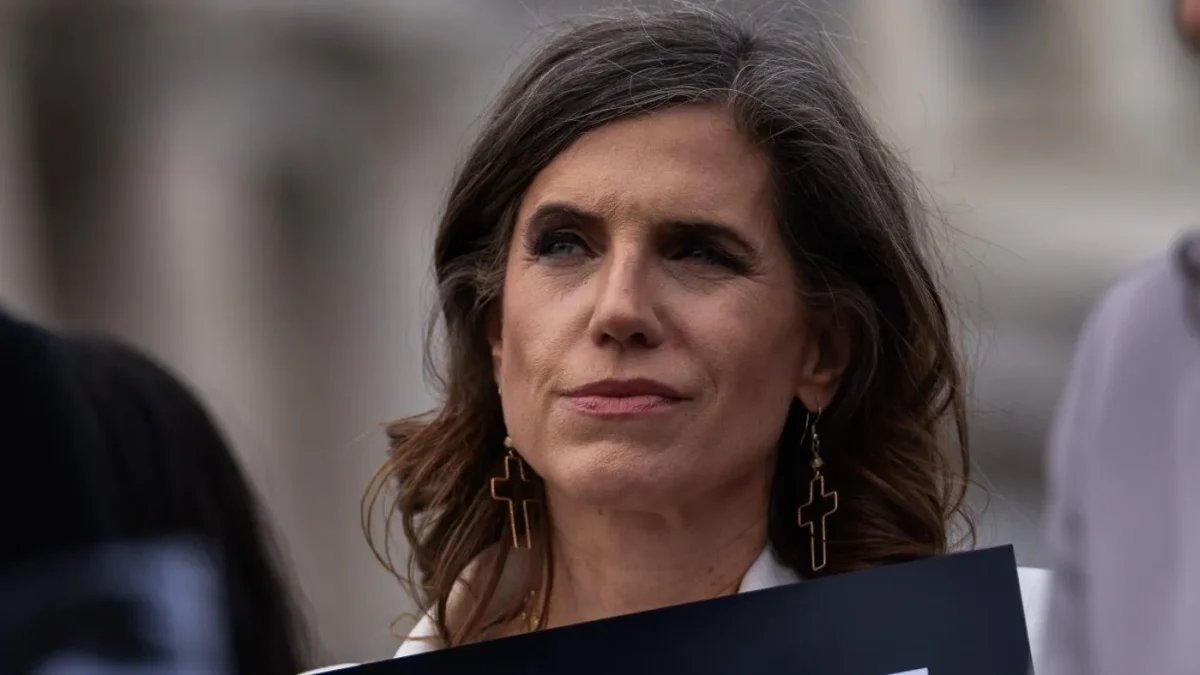
Table of Contents
Nancy Mace Urges Death Penalty in Lindsay Clancy Case After Mistrial
Provpnadvice.com – Rep. Nancy Mace (R-S.C.) called for Lindsay Clancy to receive the death penalty and said the punishment should be carried out publicly as the Massachusetts woman faces the possibility of another trial over the deaths of her three children.
Clancy’s case returned to public attention after Judge William Sullivan declared a mistrial earlier this month. The jury had spent seven days deliberating following five weeks of testimony but told the court it could not reach a unanimous verdict.
Mace, an outgoing South Carolina lawmaker, delivered her views in comments to TMZ, arguing that Clancy should face the harshest possible punishment.
“Her children are dead, she should be dead too.”
She later said Clancy should be sentenced to death and that the execution should be visible to the public.
“She should get the death penalty. It should be public, it should be a public execution.”
Mace said Clancy “deserves nothing less” and suggested multiple possible methods for carrying out such a sentence.
“It could be by firearm, it could electric chair, I don’t really care.”
The congresswoman also characterized a public execution as a warning to others.
“[A] warning to women everywhere [that] you don’t kill your kids.”
Jury Deadlock Centered on Mental Health Defense
The mistrial followed an unusually divided deliberation process. Before Sullivan ended the trial, jurors indicated that 11 members favored acquitting Clancy by reason of insanity because of postpartum psychosis. One juror did not agree, preventing the unanimous decision required for a verdict.
The distinction is significant in a criminal proceeding. An insanity-based acquittal does not mean a court has found that the underlying deaths did not occur. Instead, it addresses whether a defendant’s mental state at the time of the alleged offense met the legal standard for criminal responsibility.
The jury in Clancy’s case consisted of nine women and three men. Its inability to resolve the charges left the prosecution with the decision of whether to pursue the matter again. Plymouth County District Attorney Timothy Cruz, a Republican, has not announced whether his office will seek a retrial.
A hearing is set for Sept. 29 at Plymouth Superior Court. Until then, Clancy is being held at a psychiatric facility. The scheduled proceeding may provide a clearer picture of the next steps, including whether prosecutors intend to bring the case before a new jury.
Calls for a Pardon Raise Jurisdictional Questions
Clancy’s attorney, Kevin Reddington, has sought a pardon from President Trump. But the request involves a fundamental limit on presidential power: Clancy faces state charges, not federal charges. A president may grant clemency in federal cases, but that authority does not extend to criminal prosecutions brought by a state.
The request nevertheless drew attention following the mistrial. Trump described the matter as a devastating situation after Sullivan declared the mistrial on Sept. 4, while also suggesting that consequences would follow through either treatment or incarceration.
“Look, [Clancy] did a horrible, horrible thing. Can’t be worse, but you’ll find out what the price to pay is. There’ll be a price. It’s going to be [a] mental institution or jail or something, but I guess they’re going to go through another trial. It’s too bad.”
Trump had earlier called the events “a horrible tragedy.” His comments reflected the unresolved nature of the case: a mistrial does not end the prosecution in the same way as an acquittal or conviction. Prosecutors can decide to retry charges after a jury deadlock, subject to the procedures and decisions of the court.
Public Reaction and the Next Legal Decision
Mace’s statements put an especially punitive response at the center of the discussion, while the trial itself focused heavily on the legal relevance of postpartum psychosis. Those are separate questions. Political reactions may express moral outrage, but jurors are asked to weigh testimony, legal instructions and the evidence presented in court.
The case has also underscored the difficulty of cases involving alleged crimes and severe mental illness. A jury must evaluate not only what occurred, but whether the evidence satisfies the legal requirements for a criminal conviction and how mental condition affects responsibility under the law.
For now, the most immediate issue is whether the Plymouth County District Attorney’s Office will move forward with a second trial. That decision remains unannounced. The Sept. 29 hearing will take place as Clancy continues to receive psychiatric care, with the legal process still unresolved after the jury’s deadlock.
Related Reading
Frequently Asked Questions
What is Nancy Mace calls for public execution?
Nancy Mace calls for public execution is the main topic of this guide. The article explains the context, practical details, and next steps readers should understand.
Why does Nancy Mace calls for public execution matter?
Nancy Mace calls for public execution matters because readers are looking for a useful answer, not just a short summary. Good content should match search intent and help them decide what to do next.