Maine Lobstermen’s Association fears becoming ‘collateral damage’ in Canada tariff war

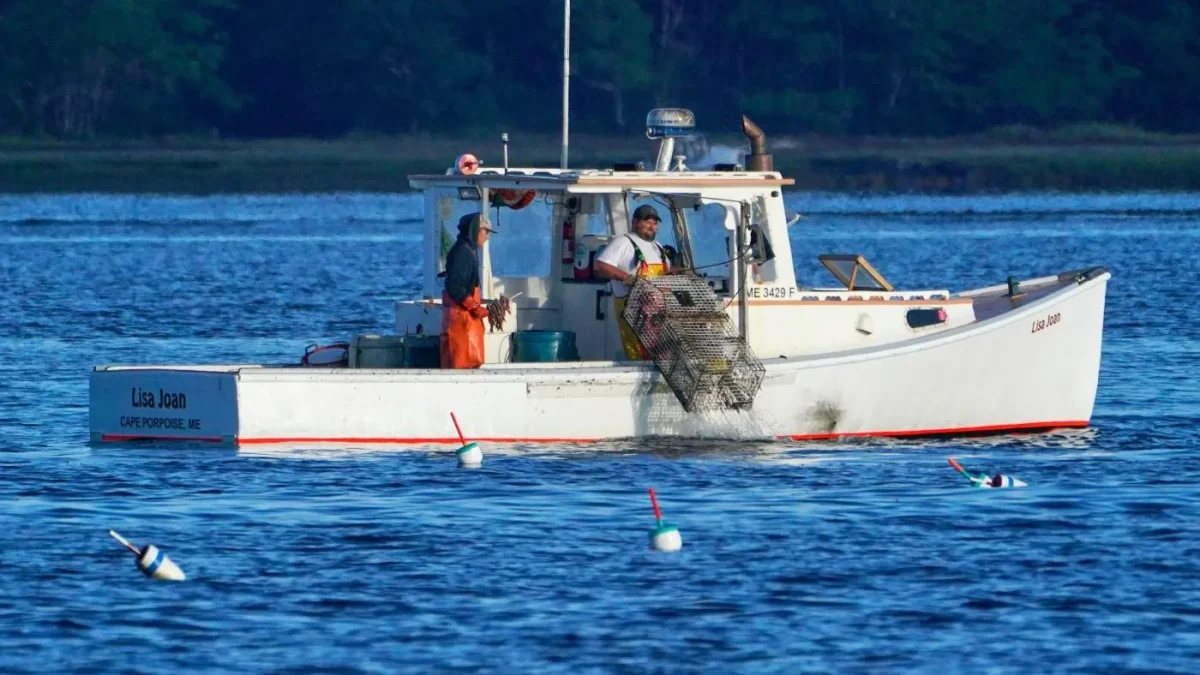
Table of Contents
Maine Lobstermen’s Association Fears Tariff Blow
Provpnadvice.com – The Maine Lobstermen’s Association fears its members will be swept up as “collateral damage” in a fast-escalating trade confrontation between Washington and Ottawa. A retaliatory 25 percent duty on American lobster, confirmed by Canada earlier this week, threatens to collapse dock prices at the exact moment the autumn season peaks. For coastal communities whose economies have turned on the sea for generations, the prospect of losing the single largest export outlet overnight is not a manageable dip — it is, in the group’s own words, an existential threat.
Why the Timing Makes the Tariff Devastating
Canadian processors and retailers absorb roughly half of Maine’s total lobster harvest during the fall months. That seasonal concentration means a sudden price shock lands when fishers are hauling their heaviest volumes of the year and when cash flow is most critical for winter boat maintenance, fuel reserves, and household obligations. The association’s Wednesday statement laid out the arithmetic bluntly: a quarter tariff would exert immediate downward pressure on the per-pound price at the dock, and with operating costs already at historic highs and margins compressed to near-zero, many independent operators simply could not absorb the loss.
“A 25% tariff could disrupt that market overnight, putting significant downward pressure on the price paid to lobstermen. The impact would be felt immediately on Maine’s docks. Lobstermen are already facing historically high operating costs, an increasingly difficult business environment, and razor-thin margins. If prices fall far enough, many simply will not be able to afford to fish.”
Patrice McCarron, executive director of the association, framed the stakes in terms of community survival rather than abstract trade policy.
“Maine lobstermen should not become collateral damage in a broader trade dispute. Losing access to such an important market at the height of our fall season could be devastating to fishermen and coastal communities.”
The Double-Taxation Trap and Cross-Border Processing
The situation is compounded by how deeply the two nations’ lobster sectors are interwoven. A single animal may be caught in a Maine harbor, trucked north to a Canadian facility for initial cleaning and sizing, shipped back south to a U.S. plant for further processing, and then exported again. Because the product crosses the border multiple times in one supply chain, any tariff regime multiplies its exposure.
Independent Senator Angus King of Maine, the state’s sole member of Congress outside the two-party system, drew attention on Tuesday to the structural vulnerability this creates. Nearly half the state’s catch is sent north for processing; those lobsters would face a tariff crossing from the United States into Canada. If the conflict escalates further, the finished product returning south would encounter a second tariff on re-entry. The same animal, taxed twice, could render the entire Canadian processing pipeline economically unviable.
“Almost half of the Maine lobster catch goes to Canada for processing which means that they will be tariffed on their way from the United States to Canada which could cut off the Canadian market with devastating consequences. And if the President’s misguided trade war further escalates, the processed lobsters could be taxed again when they are shipped back from Canada to the United States.”
King cast the dispute in terms of local livelihoods rather than geopolitical posturing.
“If the President doesn’t relent, this hammer blow to hardworking Maine people would devastate the Maine lobster industry and leave many of these hardworking people literally high and dry. … Maine people are not interested in personal, retaliatory politics.”
The Broader Trade Clash in Context
Canada’s countermeasures are a direct response to fresh tariffs imposed by the Trump administration. The lobster duty sits alongside a broader package of retaliatory measures targeting American goods, and industry observers note that the sector’s exposure is disproportionate to its share of total bilateral trade. For the roughly 10,000 lobstermen and their families across Maine’s coast, however, the distinction between a sector-specific shock and a macroeconomic policy choice is academic — the boats either go out or they do not.
Frequently Asked Questions
What exactly is the tariff at issue? Canada has confirmed a 25 percent duty on lobster imported from the United States, imposed as a retaliatory measure against new U.S. tariffs. The duty applies at the border crossing and would reduce the price paid to Maine fishers at the dock.
How much of Maine’s lobster trade depends on Canada? Approximately half of the state’s total harvest is sold to Canadian buyers during the autumn season. That seasonal dependency is what makes the timing of the tariff so punishing for individual operators.
What is the “double-taxation” problem? Because many lobsters are processed on both sides of the border, a single animal can cross the international line multiple times. Under current proposals, it could be taxed once going north and again returning south, effectively doubling the tariff burden on the same product.
Who is speaking for the industry? The Maine Lobstermen’s Association, led by executive director Patrice McCarron, issued the primary industry warning. Senator Angus King (I-ME) added a congressional perspective on the cross-border processing vulnerability.