Canada announces retaliatory tariffs to begin Sept. 8

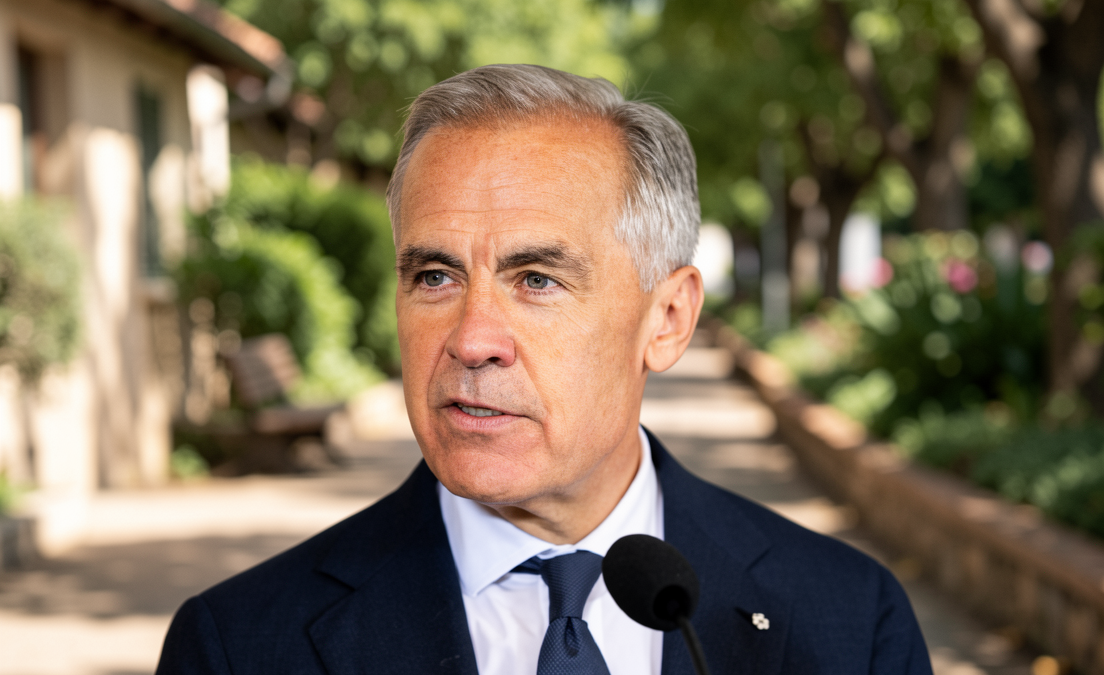
Table of Contents
Canada Sets Date for Counter-Tariffs as Trade War With Washington Escalates
Provpnadvice.com – North America’s oldest bilateral trade relationship hit a sharp new inflection point on Saturday when Prime Minister Mark Carney confirmed that Ottawa will impose retaliatory tariffs on American goods starting September 8. The move is a direct response to a sweeping 50 percent levy the Trump administration activated at midnight, targeting more than $20 billion in Canadian exports ranging from industrial inputs to consumer staples.
The announcement, delivered during a morning press conference, framed the countermeasures as a necessary shield for domestic producers and households. Carney told reporters that Canada would “match Washington’s new tariffs dollar for dollar in order to protect Canadian workers, farmers, families and businesses,” signaling a tit-for-tat posture rather than a proportional or sector-specific response.
What the Counter-Tariffs Cover
According to Carney, the retaliatory schedule will span a broad swath of American-made imports, including steel products, dairy items, household appliances, agricultural machinery, pulp and paper goods, and electronics. He indicated that additional specifics would be published in the “coming days,” leaving room for technical adjustments before the September 8 effective date.
The breadth of the affected categories suggests Ottawa is aiming to mirror the economic footprint of the American levy rather than cherry-pick politically convenient sectors. For Canadian consumers, the practical implication is a likely uptick in prices on everyday goods — from kitchen appliances to building materials — over the coming weeks and months.
A “Reluctant” Response
Carney spent considerable time in his remarks emphasizing that the government did not arrive at this decision lightly. He stressed that Ottawa “take[s] this step reluctantly,” then unpacked what that reluctance meant in three distinct registers:
“Reluctantly because we recognize that some of these measures will raise costs and reduce choice for Canadians. Reluctantly because we recognize that some U.S. companies and some U.S. states are innocent bystanders in a dispute that they did not want. Reluctantly because this trade dispute is preventing Canada and America from doing so much good that we could do together.”
He closed the passage with a counterweight, asserting that the government nonetheless proceeded because it was “confident that it is in the best interest of Canada.” The rhetorical architecture — three concessions followed by one affirmation — was designed to acknowledge domestic economic pain while foreclosing any political argument that the tariffs were optional.
The Negotiation Breakdown
The retaliatory announcement followed a dramatic collapse of trade talks just hours before the American tariffs took effect. In a statement issued earlier that day, Carney disclosed that he had directed Canadian negotiators to walk away from the table on Friday evening. He attributed the decision to U.S. negotiators introducing fresh conditions at the eleventh hour, effectively resetting terms that both sides had been working through over preceding days.
The timing was consequential: the walkout occurred mere hours before the 50 percent levy went live at midnight, compressing the window in which a negotiated alternative might still have been reached.
Washington Pushes Back
U.S. Trade Representative Jamieson Greer did not accept Ottawa’s framing. In a statement posted to social media, Greer characterized the Canadian walkout as driven by shifting demands rather than American bad faith.
“Despite the U.S. offer to Canada to receive the best treatment of any major exporter to our market, new demands and walk backs of other commitments by Canada have upended the careful balance reached in the past days,” he wrote, labeling the episode a “missed opportunity” for a deeper economic partnership between the two countries.
The competing narratives — Ottawa pointing to last-minute American term changes, Washington pointing to Canadian reversals — underscore how quickly a working-level negotiation can fracture into a public blame contest when deadlines loom.
Broader Context and Implications
The 50 percent American tariff, which took effect at midnight, reaches well beyond traditional industrial goods. Carney’s own remarks referenced products as varied as wine, hockey sticks, and cement, illustrating how deeply intertwined the two economies remain despite decades of free-trade architecture under the USMCA (formerly NAFTA). A half-rate levy on that volume of bilateral trade is not a marginal adjustment; it reshapes supply chains, investment calculations, and consumer pricing across both sides of the border.
For Canadian provinces with heavy export exposure — Ontario’s auto and machinery sectors, Quebec’s pulp and paper mills, the Prairie provinces’ agricultural equipment and grain-adjacent inputs — the September 8 counter-tariffs will compound existing cost pressures. Small and mid-sized importers, in particular, face margin compression that may force price increases or product-line reductions before any diplomatic resolution is reached.
The episode also raises questions about the durability of the USMCA’s dispute-resolution mechanisms. When both capitals resort to public press conferences and social-media statements rather than back-channel mediation, the institutional scaffolding that has managed trade frictions since 1994 is tested in ways that go beyond any single tariff schedule. Whether the September 8 measures become a temporary pressure valve or a durable new normal will depend on whether either side retains the political appetite to return to the negotiating table once the initial shock has been absorbed.
For now, the calendar is set. Canadian consumers, importers, and exporters will face a new pricing regime beginning September 8, and the diplomatic temperature between the two largest economies in North America has risen sharply enough to make the coming weeks a period of sustained uncertainty for businesses on both sides of the 49th parallel.
Related Reading
Frequently Asked Questions
What is Canada announces retaliatory tariffs to begin?
Canada announces retaliatory tariffs to begin is the main topic of this guide. The article explains the context, practical details, and next steps readers should understand.
Why does Canada announces retaliatory tariffs to begin matter?
Canada announces retaliatory tariffs to begin matters because readers are looking for a useful answer, not just a short summary. Good content should match search intent and help them decide what to do next.