Russian drone hits nuclear fuel facility near Chernobyl: Ukraine

Russian Drone Attack on Chernobyl Nuclear Fuel Site Sparks Concern
Provpnadvice.com – On Sunday, Ukrainian authorities confirmed that a Russian drone targeted a nuclear fuel facility located near the Chernobyl site, which remains the epicenter of the world’s most devastating nuclear catastrophe. The strike, which occurred in the early hours of the morning, has raised alarms about the potential risks to nuclear safety in the region, though officials have so far reported no immediate threat to the core reactors.
President Zelensky’s Response and Initial Assessments
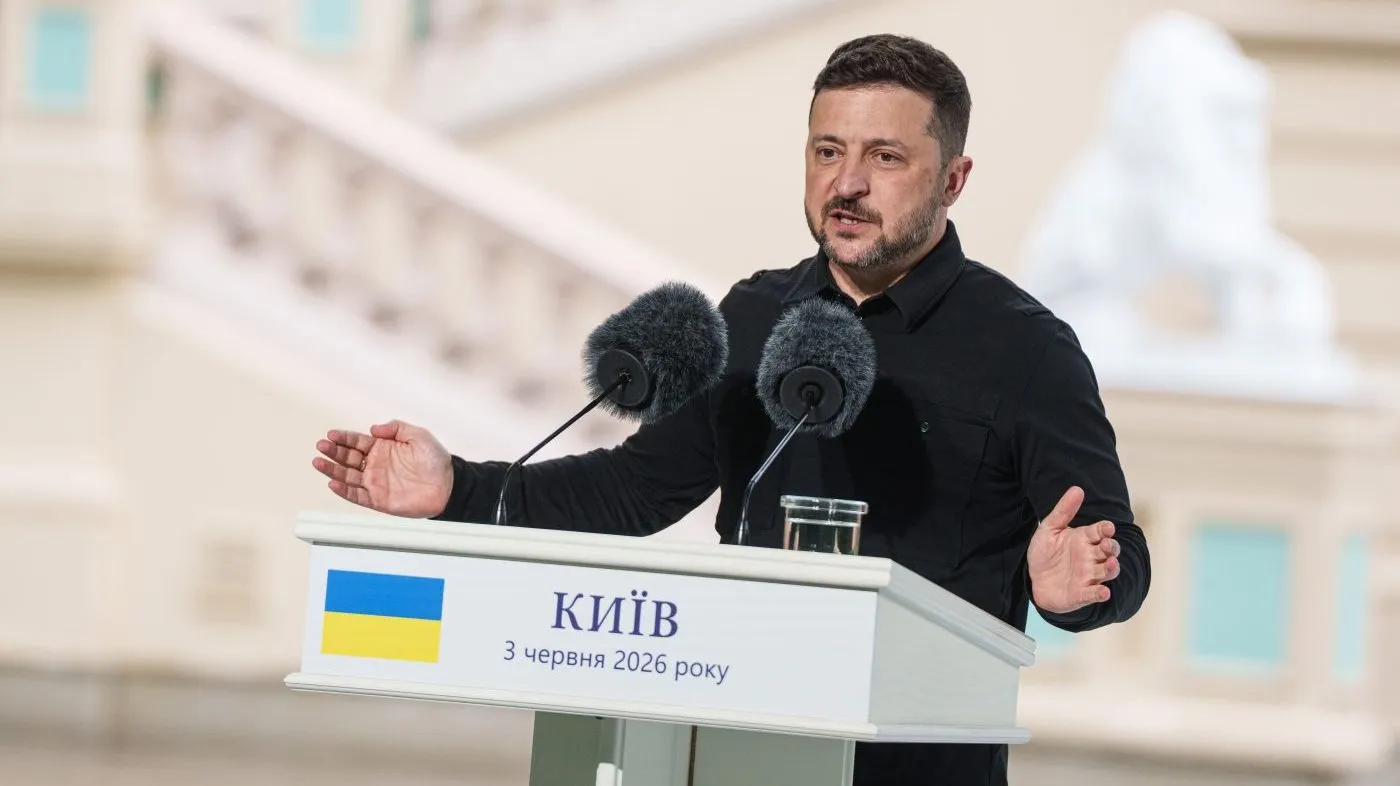
Ukrainian President Volodymyr Zelensky described the attack as “extremely vile,” emphasizing its brazen nature during a social media post on X. He noted that the Ministry of Foreign Affairs, the Ministry of Energy, and other government agencies are collaborating with international partners to investigate the incident. “As of now, there are no readings exceeding normal background radiation levels,” Zelensky wrote, while acknowledging that Russia’s escalation of attacks has reached unprecedented levels.
“But there is certainly an increase in Russia’s brazenness, which long ago went off the charts. Ukrainian first responders extinguished the fire at this facility after the strike. And real new steps by the world are needed so that the Russians feel that this terrorist war of theirs is a blow to Russia itself,” Zelensky added.
According to Energoatom, Ukraine’s state nuclear company, the drone strike hit the reception area of a heavily secured facility. The subsequent fire was quickly controlled, with no injuries reported among staff or emergency personnel. Energoatom informed the Financial Times that radiation levels at the site remained “within normal limits,” though they acknowledged the potential for long-term environmental impacts.
IAEA’s Evaluation and Safety Concerns
The International Atomic Energy Agency (IAEA) issued a statement highlighting the severity of the damage caused by the strike. It noted that the facility’s fuel reception building suffered significant structural harm, including damage to its facade, windows, and doors. The blast wave from the attack also affected nearby structures, raising concerns about the integrity of the surrounding infrastructure. A specialized team is set to inspect the site to determine the full extent of the damage and whether any radioactive materials have been compromised.
“This strike is deeply concerning and represents a clear violation of key nuclear safety principles. Attacks on nuclear sites are completely unacceptable, as they pose a direct threat to global energy security and the environment,” said IAEA Director-General Rafael Grossi in a press release.
Grossi’s comments align with Ukrainian Foreign Minister Andrii Sybiha’s recent remarks, which were shared on X. Sybiha stated, “This is not the first time Russian forces are putting Ukrainian nuclear facilities at risk. Russia’s nuclear blackmail and threats to safety are systemic, deliberate, and unacceptable.” The minister’s warning underscores the ongoing tension between Moscow and Kyiv over the strategic importance of nuclear sites in Ukraine.
Drone Deal Delays Amid Political Tensions
The attack occurs against the backdrop of the Trump administration’s hesitation in finalizing a major drone agreement with Ukraine. Despite Zelensky’s repeated calls for a “bilateral drone deal — a big framework document” to bolster Ukraine’s defense capabilities, the deal has been delayed, with sources indicating that internal resistance within the administration has slowed progress.
A former Trump administration official, speaking on condition of anonymity, told The Hill that the delay is partly due to “a certain amount of hostility towards Ukraine coming from the very top.” This sentiment has led to speculation that the holdup reflects broader political disagreements over the scale and scope of military support for Kyiv. While the U.S. has provided critical aid through other channels, the lack of a formalized drone procurement plan has left Ukraine in a precarious position.
Recent Congressional Action and Political Shifts
On Thursday, the U.S. House of Representatives passed a bill authorizing additional military funding for Ukraine and imposing sanctions on Russia. The legislation, which was pushed through using a discharge petition, marked a significant moment in the ongoing debate over U.S. involvement in the conflict. Notably, 18 GOP lawmakers and Republican-turned-independent Rep. Kevin Kiley (Calif.) defied Trump’s stance, voting alongside Democrats to support the measure.
While the bill is largely symbolic in nature, it signals a growing bipartisan consensus to sustain Ukraine’s war effort. The package includes provisions for financial assistance to aid Ukraine’s reconstruction, enhanced security support for the Baltic states, and foreign military financing loans to enable Kyiv to acquire weapons. These elements highlight the administration’s dual focus on immediate military needs and long-term strategic goals.
Global Implications and Long-Term Risks
Experts warn that the attack near Chernobyl could have far-reaching consequences. Although the immediate threat to the reactor itself appears minimal, the facility’s role in managing nuclear fuel and its proximity to the 1986 disaster site make it a critical target. A successful strike on the site could disrupt the supply chain for nuclear power, potentially impacting energy production across Europe.
Additionally, the incident has reignited discussions about the vulnerability of nuclear infrastructure during wartime. Analysts argue that such attacks not only undermine Ukraine’s energy security but also test the global community’s resolve to protect nuclear facilities from being weaponized. The IAEA’s inspection team will play a crucial role in assessing whether the strike has set a precedent for more aggressive actions targeting nuclear sites in the future.
Strategic Context and Future Outlook
With the strike near Chernobyl, the war’s focus has shifted to critical infrastructure, reflecting Russia’s strategy of targeting both military and civilian assets. The U.S. and its allies are now under pressure to expedite support measures, including the drone deal, to counter Moscow’s escalating tactics. Meanwhile, Ukraine continues to rely on its international partners for resources and protection, as it faces the dual challenge of defending its territory and maintaining its nuclear facilities.
As the situation evolves, the international community will closely monitor the impact of the drone strike and the response from global nuclear agencies. The attack serves as a stark reminder of the stakes involved in the conflict, with the potential to affect not just Ukraine’s