TSA launching TSA Gold+ program at US airports. What is it?

TSA Launching TSA Gold+ Program at US Airports. What is it?
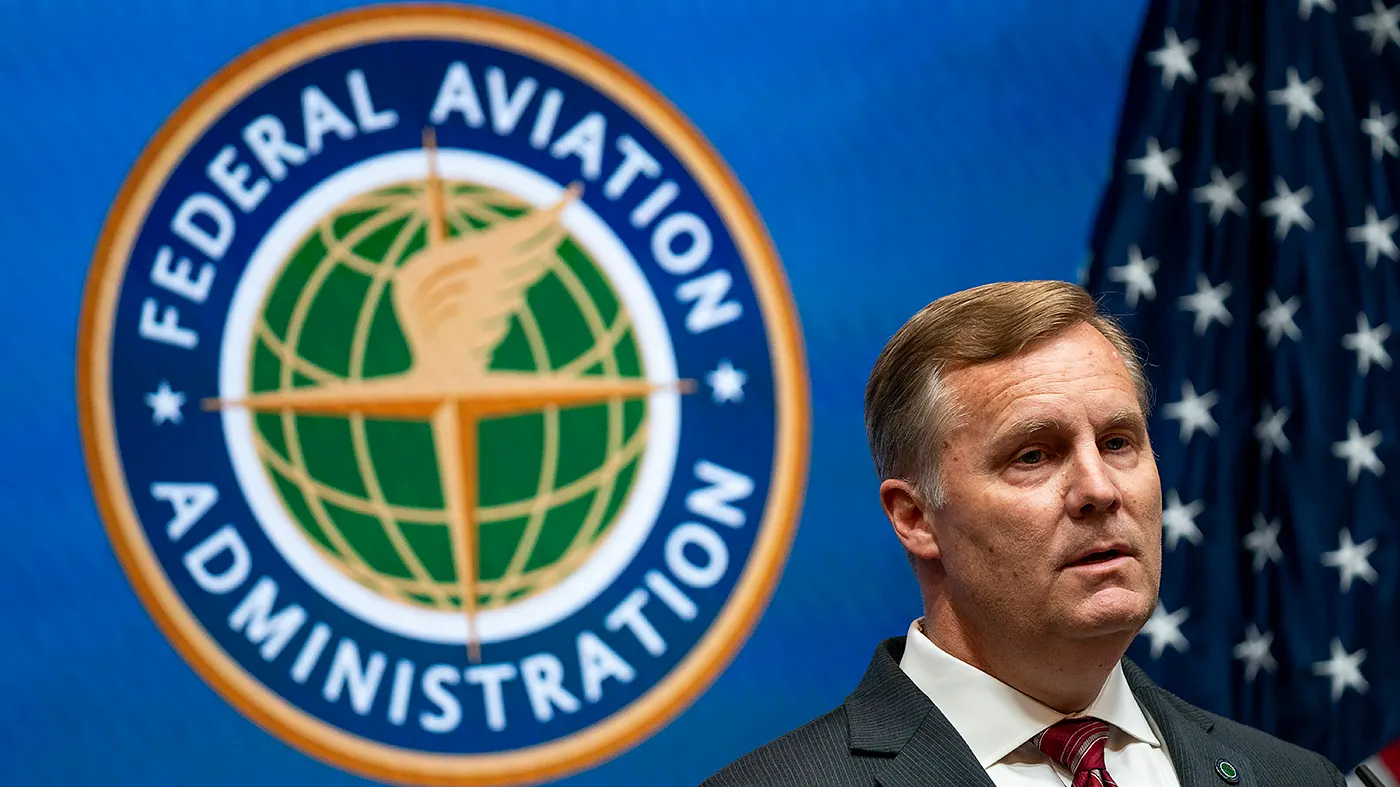
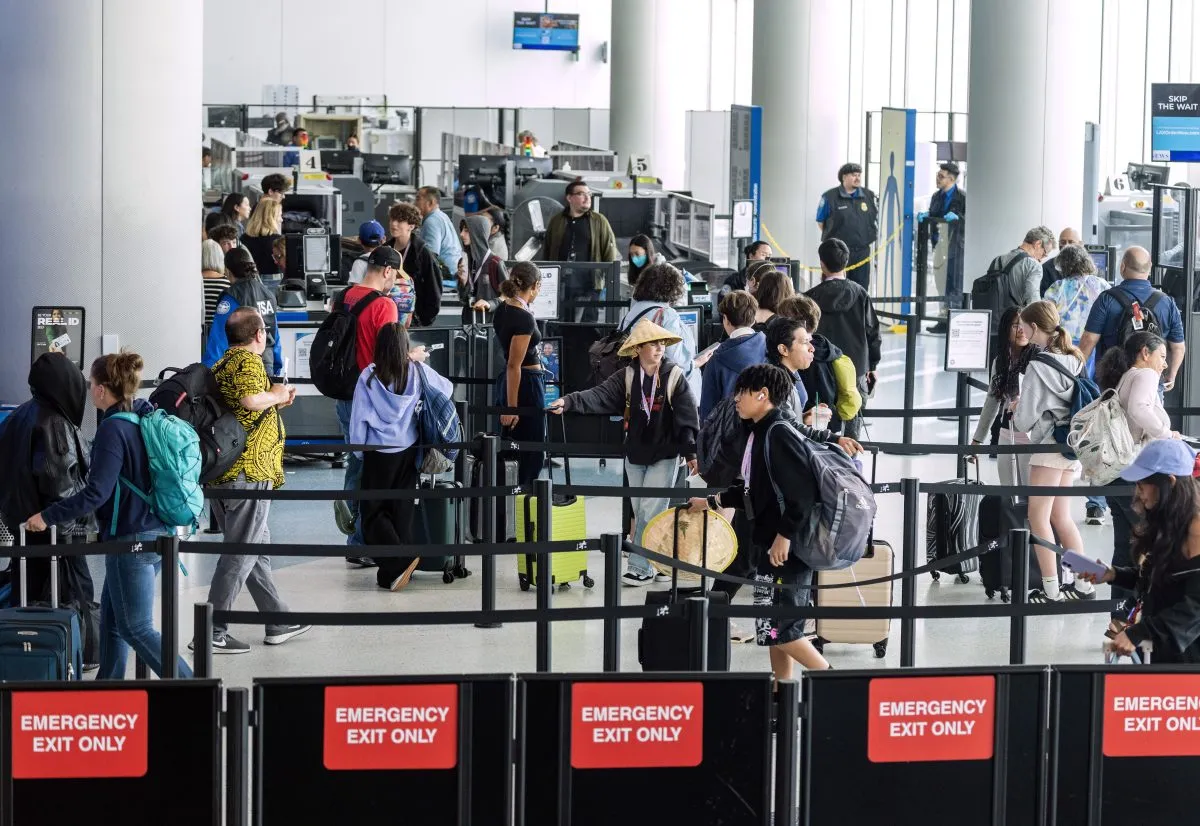
Provpnadvice.com – The Transportation Security Administration (TSA) has unveiled a new initiative aimed at transforming airport security operations across the nation. This program, dubbed TSA Gold+, introduces a framework for airports to transition to private security management while maintaining adherence to federal safety standards. The shift is part of a broader strategy to address growing passenger numbers and new security challenges, according to officials.
Program Overview
TSA Gold+ represents a significant evolution in the agency’s approach to airport security. Unlike traditional TSA oversight, the program allows select airports to adopt a “public-private partnership” model, entrusting private firms with the day-to-day execution of screening tasks. These firms would be responsible for implementing security protocols, but they must align with TSA’s established guidelines, ensuring consistency with federal requirements.
The TSA Gold+ website emphasizes that the initiative is designed to enhance operational flexibility and efficiency. By enabling private companies to customize security processes for each airport, the program claims to improve both safety and the traveler experience. For instance, it highlights how tailored approaches could better accommodate the unique needs of high-traffic hubs versus smaller regional airports.
One of the key selling points of the program is its ability to bypass federal budget constraints. The TSA notes that private security operations under Gold+ would not be subject to the same delays caused by lengthy government funding cycles. This is particularly relevant given the recent partial government shutdown in early 2026, which left TSA officers unpaid for weeks while federal services were suspended.
Historical Context
Privatized airport security is not a new concept in the United States. The TSA has already experimented with this model through its Screening Partnership Program (SPP), which operates at 20 airports nationwide. Among these are major hubs like San Francisco International Airport (SFO) and Kansas City International Airport (MCI), where private firms handle screening duties under TSA supervision.
Under SPP, private vendors are required to follow all TSA security procedures and are closely monitored by the agency. This ensures that the quality of service remains consistent with federal standards. However, the TSA Gold+ program introduces a more comprehensive shift, potentially allowing greater autonomy for private security providers while still maintaining oversight.
Industry Perspectives
Industry representatives have expressed cautious optimism about the new program. A spokesperson for VMD Corp., which manages security at several U.S. airports including Atlantic City International Airport (ACY), Orlando Sanford International Airport (SFB), and MCI, stated that their company is “held to identical and in many cases more stringent security and wait time requirements” than TSA officers. This suggests that private firms could maintain or even exceed current performance levels.
Despite these assurances, the VMD representative also noted the financial challenges posed by the 2026 government shutdown. During that period, the firm reported being unable to receive payments from the federal government, even though its staff continued to perform their duties. The spokesperson indicated that the company is evaluating continued participation in TSA Gold+, though specifics remain undisclosed.
Union Concerns
Not all stakeholders are enthusiastic about the program. Everett Kelley, president of the American Federation of Government Employees (AFGE), which represents TSA workers, has raised concerns about the potential erosion of standardized training and accountability. At a hearing in May before the House Committee on Homeland Security, Kelley argued that private contractors may lack the rigorous protocols that TSA officers have upheld since the agency’s creation following the 9/11 attacks.
“This reality is why we need trained professionals conducting security screening who are accountable to the public, not to a contractor’s bottom line,” Kelley said.
Kelley further challenged the TSA’s claim that private firms would be unaffected by government shutdowns. He pointed out that these companies rely on the same federal funding sources as TSA, stating, “It is absolutely false that private security firms would not be impacted by a government shutdown. They are paid from the same DHS appropriation that funds federal Transportation Security officers.”
Technological Implications
A critical difference between the SPP and TSA Gold+ lies in the management of security technology. Under SPP, vendors use equipment and systems provided by the TSA, ensuring uniformity in standards. In contrast, the Gold+ program allows private firms to source and operate their own technology, potentially introducing new innovations but also raising concerns about oversight.
“In practice, the federal government would be ceding direct operational control of the most sensitive technology in the aviation security enterprise to private vendors,” Kelley said.
Kelley called this shift “troubling,” emphasizing the importance of federal control over critical security infrastructure. He argued that allowing private firms to manage their own technology could lead to inconsistencies in how threats are detected and mitigated, particularly in high-risk environments.
Future Outlook
As of the latest update, the TSA has not yet released detailed information about the Gold+ program’s implementation timeline or specific airports set to participate. However, the initiative has already sparked debate among policymakers, industry leaders, and labor unions. Proponents highlight the potential for cost savings and operational efficiency, while critics warn of the risks associated with reduced federal oversight.
The TSA’s decision to introduce Gold+ reflects ongoing efforts to modernize airport security in response to changing demands. With travel volumes increasing and security threats evolving, the agency seeks to leverage private-sector expertise to enhance preparedness. Yet, the success of the program will depend on its ability to balance innovation with accountability, ensuring that the public remains protected without compromising the integrity of federal standards.