Ratepayer bill gains momentum in House amid data center backlash

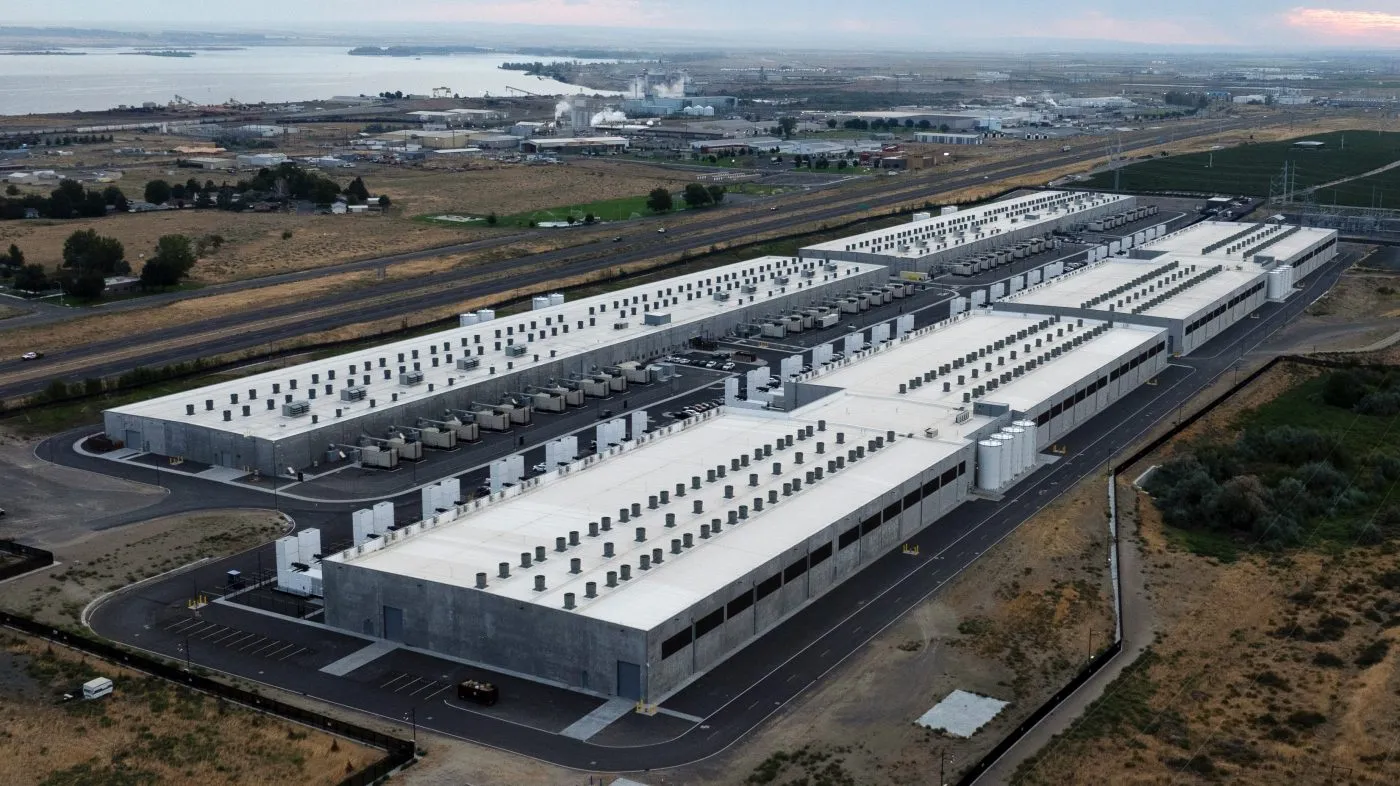
Table of Contents
Ratepayer bill gains momentum in House: Legislative Push to Shield Consumers from Data Center Energy Costs Grows Provpnadvice.com – A piece of
Legislative Push to Shield Consumers from Data Center Energy Costs Grows
Provpnadvice.com – A piece of legislation aimed at reducing the financial burden that expanding data centers place on American households is gathering significant momentum within the U.S. House of Representatives. Lawmakers are responding to mounting pressure to intervene as public sentiment turns sharply against the rapid construction of artificial intelligence infrastructure. This growing opposition highlights a need for federal action to balance technological advancement with consumer protection.
The cross-party Ratepayer Protection Act represents a key effort to shift the financial weight of energy consumption away from individual citizens and onto technology corporations. Under the proposed framework, states would be instructed to evaluate standards ensuring that tech firms cover a larger share of the expenses associated with their power usage. While the measure does not compel states to implement these standards immediately, it mandates that they seriously consider such approaches to protect ratepayers from potential cost surges.
Strong Bipartisan Support in Committee
On Tuesday, the legislation successfully moved forward after receiving unanimous approval from the House Energy and Commerce Committee. The 52-0 vote serves as a powerful indicator of the widespread agreement across party lines regarding the urgency of addressing the challenges posed by the data center boom. This consensus reflects how concerns over infrastructure development have transcended traditional political divides, uniting members in their desire to safeguard local communities.
The bill seeks to formalize a commitment previously made by the White House, which was endorsed by several major technology companies earlier this year. By requiring state regulators to conduct hearings on standards for large-scale data centers, the legislation ensures that these facilities contribute to the costs of new power generation and transmission lines resulting from their operations. This procedural step provides a clear pathway for accountability without imposing rigid federal mandates on state-level decision-making.
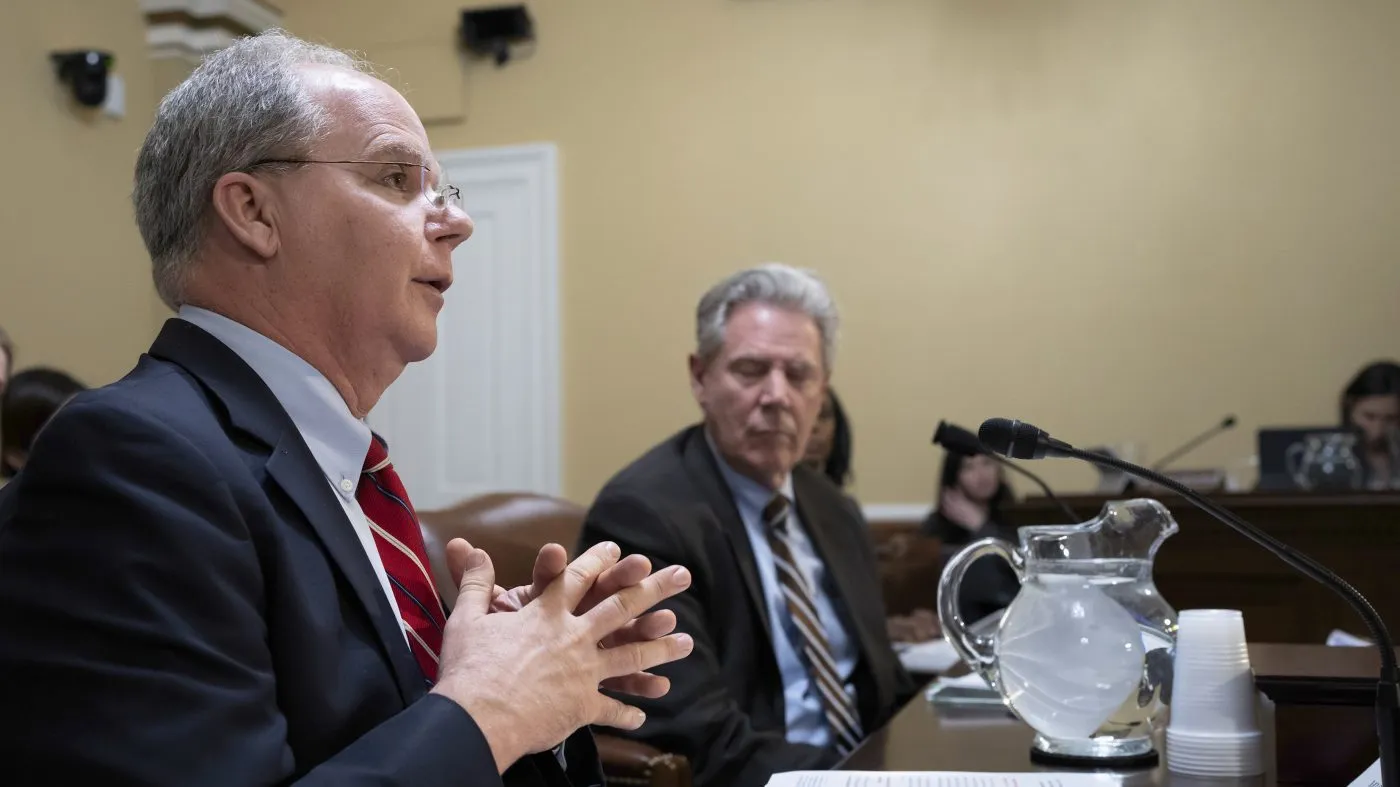
“[I]t has become clear that across the entire industry there is one entity uniquely positioned to stand up for families and communities who are the ones paying electricity bills-and that is this Committee, and our colleagues in Congress,” House Energy and Commerce Chair Brett Guthrie (R-Ky.) stated in a formal announcement.
Senate Action and State-Level Implications
Adding to the legislative momentum, a companion bill has been introduced in the Senate, further increasing the likelihood that the measure will become law. Senator Jon Husted (R-Ohio) brought the initiative to the upper chamber last week, signaling his intent to work closely with the Senate Energy and Natural Resources Committee. A representative for the senator noted that he is pleased with the strong bipartisan reception in the House and remains committed to guiding the bill to completion in the Senate.
Although the federal law does not strictly force states to create specific standards, experts argue that congressional guidance remains valuable. Clara Summers, who leads the Consumers for a Better Grid Campaign at the Citizens Utility Board, emphasized that having clear direction from Washington helps states that may be lagging in their response. She explained that a message from Congress urging states to address the issue within a set timeframe provides a necessary catalyst for action.
“There are states that are not addressing this issue as proactively…so having a message from Congress that says, ‘Hey, you, within this timeline, need to at least take up this issue,’ is a good push,” Summers remarked.
Public Opinion and Legislative Criticism
Despite the growing support, some lawmakers view the current proposals as merely a starting point rather than a complete solution. Representative Nannette Barragán (D-Calif.) acknowledged that the bill recognizes a fundamental principle but argued that additional measures are necessary. She pointed out that protecting families from rising electricity costs must also include addressing broader health and environmental consequences associated with data center expansion.
Data centers play a crucial role in powering the development of artificial intelligence, yet their rapid proliferation has sparked resistance in many local areas. Communities have raised concerns regarding increased electricity prices, higher water consumption, and potential pollution levels. Additionally, some experts link this local opposition to wider anxieties about the impact of AI on employment and society at large.
Recent polling data illustrates a shift in public sentiment. A survey released by Politico on Tuesday revealed that 41 percent of Americans now oppose having a data center built in their neighborhood, compared to only 24
Related SEO Topics
Frequently Asked Questions
What is Ratepayer bill gains momentum in House?
Ratepayer bill gains momentum in House is the main topic covered in this article, with practical context to help readers understand the subject clearly.
Why does Ratepayer bill gains momentum in House matter?
Ratepayer bill gains momentum in House matters because it helps readers compare options, avoid common mistakes, and make a more informed decision.
How should readers use this Ratepayer bill gains momentum in House guide?
Use the key points, examples, and related links in this page as a starting point, then review the latest details before making a final decision.