OpenAI will publicly release advanced GPT model after government-requested delay

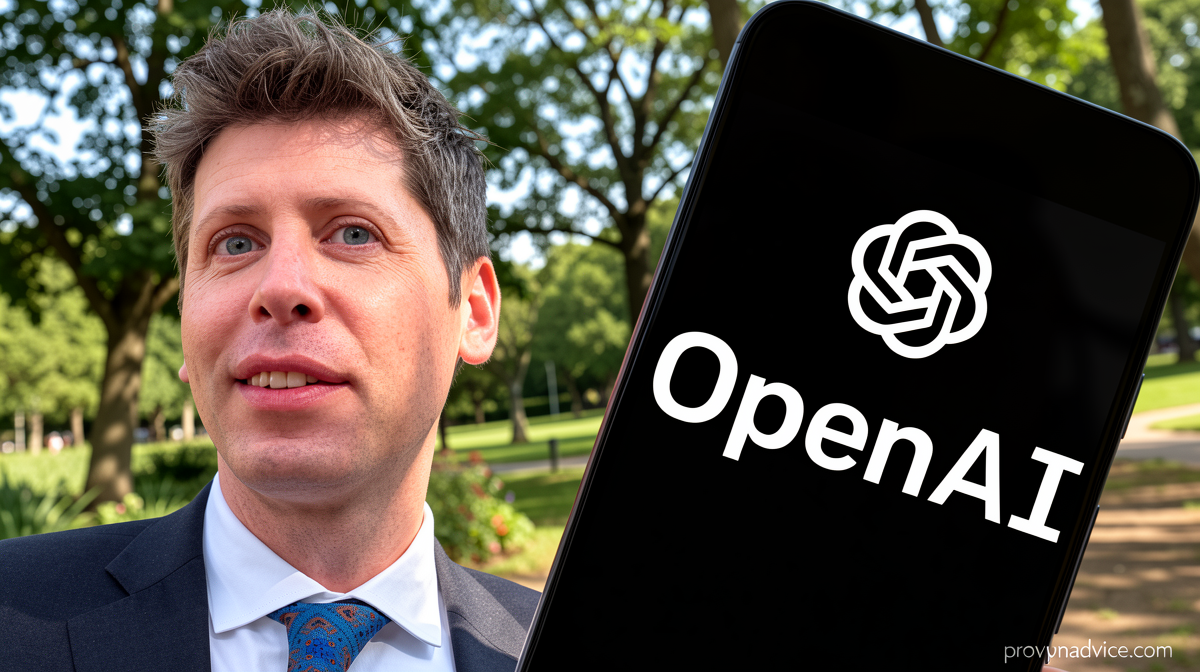
OpenAI Advances Plans for GPT 5.6 Public Launch Following Government Consultation
Provpnadvice.com – OpenAI has confirmed it will make its latest generation of artificial intelligence models available to the general public on Thursday. The release of the GPT 5.6 series comes after the company agreed to postpone the announcement at the direction of the Trump administration. This strategic pause allowed for additional review periods focused on potential security vulnerabilities.
Timeline of the Delayed Announcement
The company shared news of the upcoming launch on the social media platform X during the evening of Tuesday. Chief Executive Sam Altman contributed a brief message of encouragement to his followers, writing “happy building” in a separate update on the same platform. Industry observers noted this positive messaging signaled confidence in the model’s readiness.
Initial reports of this development emerged from Axios, which covered the story before OpenAI made its formal statement. The timing represents a significant shift from earlier plans. Just over a fortnight prior, OpenAI had communicated that the new model series would initially be available only to select partner organizations. This limited preview was designed to gather feedback before opening access to everyone.
Government Concerns and Clarifications
At that earlier juncture, the ChatGPT creator decided against an immediate public debut following requests from federal authorities. Officials expressed worries about cybersecurity threats that could emerge from widespread deployment of powerful AI systems. OpenAI confirmed that partner participation details were also communicated to government representatives during this period.
On Wednesday, a representative from the White House provided additional context regarding the administration’s role. The official clarified that the Trump administration did not issue a formal “green light” or official clearance for OpenAI’s release. Instead, the statement emphasized that “no such permission is required or granted” under current frameworks.
“The Administration does not provide approvals for private companies to release AI models – decisions on timing and scope of releases rest entirely with the companies,” the official explained in their statement.
Broader Industry Context
Although OpenAI faced no binding directive, the administration had recently implemented export restrictions affecting Anthropic’s latest offerings. These controls prompted the developer of Claude to temporarily restrict public access to its systems. The Commerce Department subsequently removed these limitations on Anthropic’s Fable 5 and Mythos 5 models. Following this regulatory adjustment, Anthropic restored public availability the very next day.
When OpenAI initially announced its delayed rollout schedule at the end of last month, the company described the arrangement as “a kind of government access process.” Leadership at the firm acknowledged this approach was “not a long-term solution” because it “keeps the best tools from users, developers, enterprises, cyber defenders, and global partners who need them.” The temporary framework was positioned as “the strongest path to broader availability in the coming weeks” while both parties worked toward establishing a more permanent structure.
Executive Order and Future Framework
Concerns about cybersecurity risks associated with advanced AI systems prompted President Trump to sign an executive directive last month. This order established a voluntary testing mechanism allowing artificial intelligence laboratories to submit their models to government evaluation up to thirty days before public launch. The White House official referenced this directive in Wednesday’s communication, noting it is “clear” that the government does not mandate preclearance for AI model releases.
“The Administration continues to collaborate with all of America’s frontier labs to strengthen the security of this technology without stifling innovation,” the official concluded.
While the specific catalyst for OpenAI’s decision to proceed remains unclear, Axios reported that additional government testing sessions and meetings between company executives and officials occurred over recent weeks. These consultations likely contributed to the timing of the announcement.
The Trump administration’s emphasis on the voluntary nature of the executive order did not eliminate all concerns. Some industry observers predicted that these assurances might prove insufficient to prevent future delays or restrictions. The apparent government influence on both OpenAI and Anthropic’s rollout schedules generated considerable discussion among AI policy advocates.
Advocates warned that these developments could signal an “ad hoc” approach to artificial intelligence regulation. They expressed concern that such methods might inadvertently harm innovation and establish concerning precedents regarding governmental authority over AI model deployments. As the industry moves forward, stakeholders will be watching closely to see how this framework evolves and whether it provides adequate balance between security and accessibility.