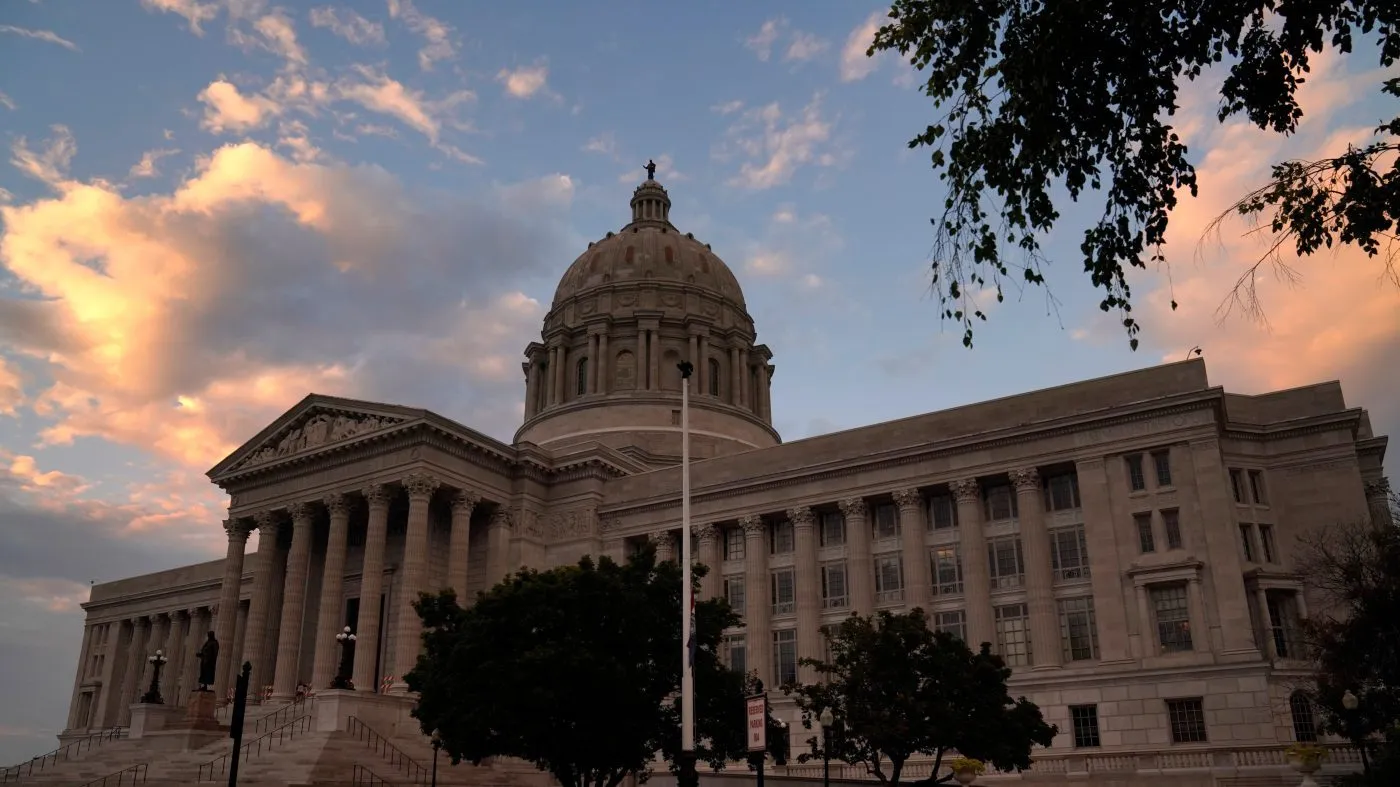
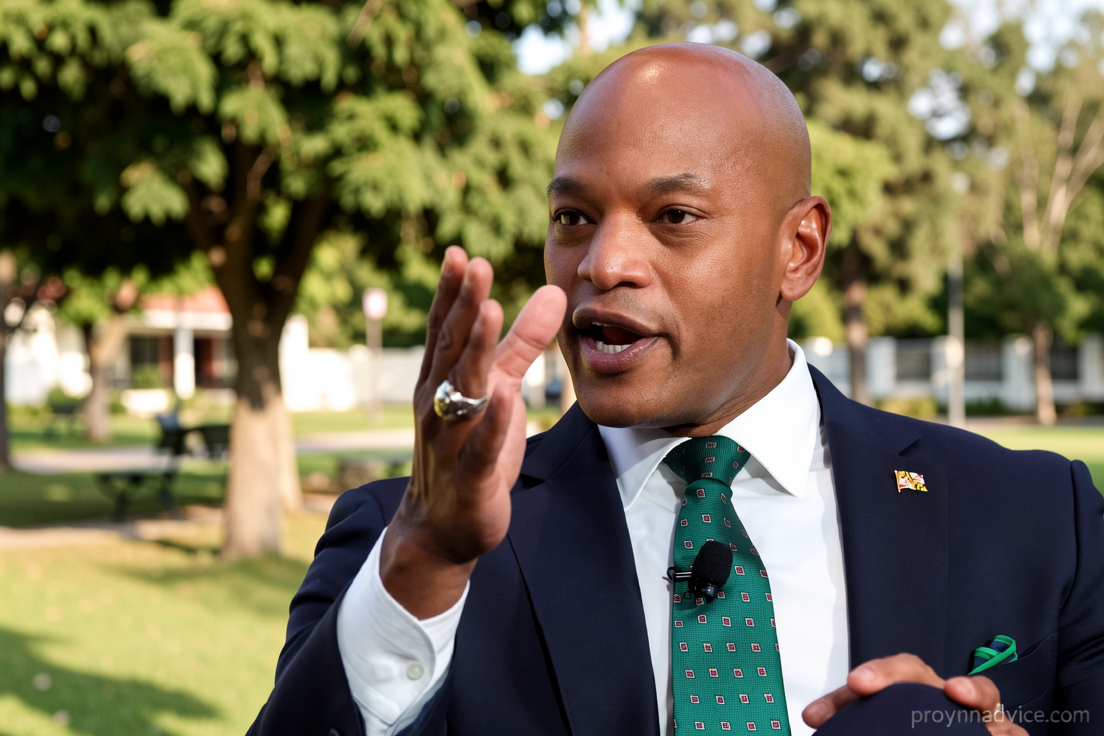
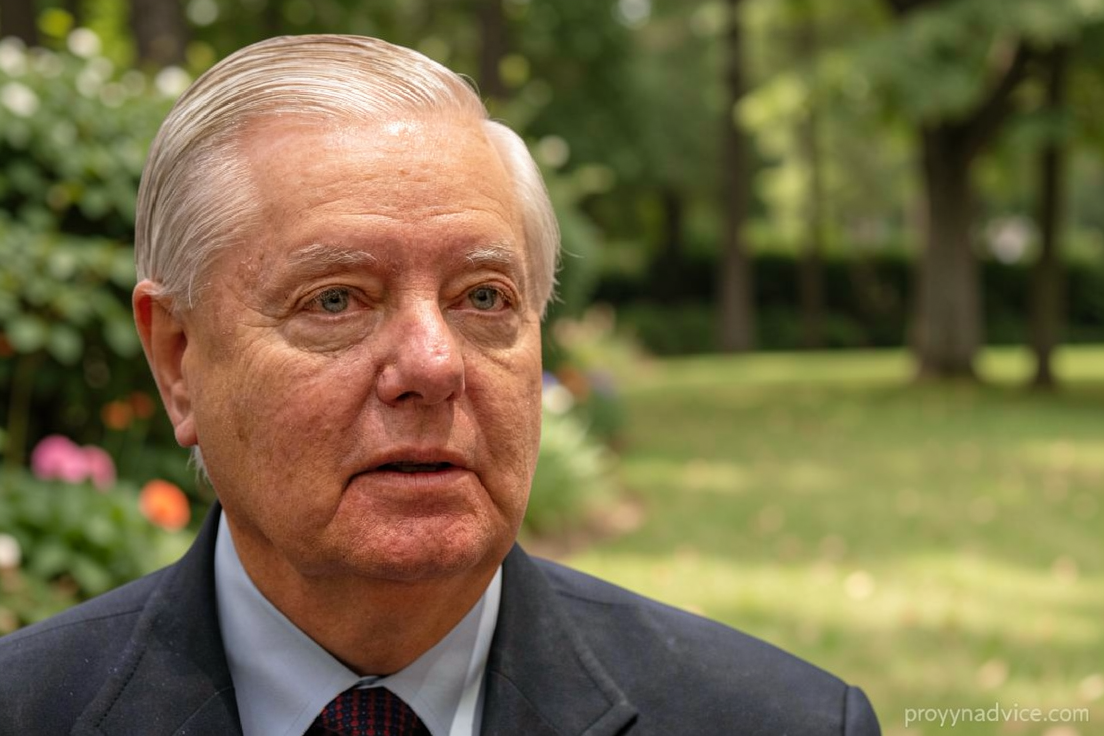
Kansas’s former GOP governor backs Democrat over Marshall for Senate

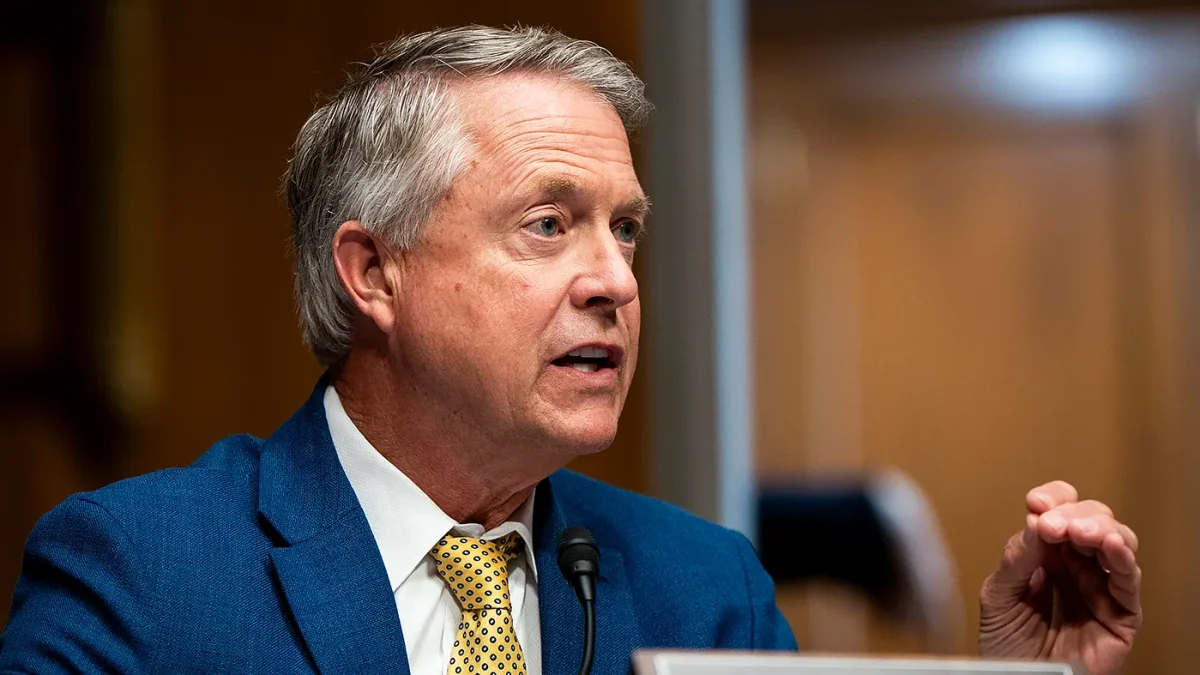
Table of Contents
Former Kansas Governor Bill Graves Endorses Democrat Adam Hamilton in Senate Contest
Provpnadvice.com – A prominent Republican voice from Kansas politics is crossing party lines in this year’s Senate campaign. Former Gov. Bill Graves has endorsed Democrat Adam Hamilton, who is seeking to unseat Republican Sen. Roger Marshall.
Graves, who served as Kansas governor from 1995 through 2003, announced his support Tuesday in a video shared by Hamilton on X. The endorsement gives Hamilton backing from a well-known former statewide Republican officeholder as he tries to mount a difficult challenge in a state where Democrats have not won a U.S. Senate election in nearly a century.
In his message, Graves described the political climate as increasingly divided and argued that Kansas voters should choose a different direction. He praised Hamilton, a Methodist minister and senior pastor of the Church of the Resurrection, for qualities he believes would be valuable in Washington.
“For the last six years, Senator Roger Marshall has turned his back on Kansas. In contrast, Adam Hamilton stands as a bulwark of kindness, humility and service to others.”
Graves said those differences led him to conclude that Hamilton should represent Kansas in the Senate.
“It is for those reasons, and many more, that I believe Kansas should send Adam Hamilton to the U.S. Senate.”
A Republican Figure With a History of Bipartisan Endorsements
Graves is 73 and has long been a familiar name in Kansas government. Before winning the governor’s office, he spent eight years as the state’s secretary of state. His endorsement is notable not simply because he is a Republican, but because it continues a pattern of backing Democrats in consequential statewide campaigns.
In both 2018 and 2022, Graves supported Democratic Gov. Laura Kelly over Republican candidates. Kelly prevailed in each of those elections, demonstrating that Kansas voters have at times been willing to elect Democrats to statewide executive office even while the state remains strongly competitive territory for Republicans in federal races.
Hamilton’s campaign presents the endorsement as evidence that his candidacy can appeal beyond traditional Democratic supporters. Graves framed his decision around concerns about partisan conflict, saying the nation is facing growing gridlock and division. For voters watching the Senate race, that argument places the contest partly in the broader debate over whether political experience, party loyalty, temperament, or independence should carry the greatest weight.
Hamilton Faces a Steep Senate Challenge
Hamilton is attempting to become the first Democrat elected to the U.S. Senate from Kansas since George McGill’s victory in 1932. That long gap illustrates the scale of the electoral hurdle ahead of him, particularly in a race against an incumbent Republican senator.
Marshall, an obstetrician, is serving his first term in the Senate. He has represented Kansas in Congress for the past six years, including his time in the House before moving to the Senate. As the incumbent, he enters the campaign with the advantages usually attached to holding statewide office, including stronger name recognition and a substantial financial lead.
Campaign finance figures through the end of June show Marshall with almost $5.4 million available to his campaign. Hamilton had less than $1.8 million on hand at the same point. The difference matters because Senate campaigns require extensive spending on voter outreach, advertising, staff, travel and efforts to turn out supporters across Kansas’s diverse regions.
Outside assessments also point to Marshall as the favorite. Cook Political Report has placed the race in the “likely Republican” category. Decision Desk HQ gave Marshall roughly an eight-in-10 chance of defeating Hamilton as of Monday. Those projections do not determine an election result, but they reflect the current political environment, the state’s recent federal voting history and the incumbent’s campaign position.
What the Endorsement May Mean
Graves’s support does not alter the basic difficulty of Hamilton’s path, but it may help the Democrat make a case to moderate Republicans, independents and voters dissatisfied with partisan politics. A former governor’s endorsement can also draw attention to a race that might otherwise receive less national focus than more closely divided Senate contests.
For Marshall, the endorsement represents criticism from within the broader Republican political tradition of Kansas. The former governor’s remarks focus less on a specific legislative dispute than on his view of representation and civic conduct. That framing could become part of Hamilton’s argument that the campaign should be about more than party labels.
The race will ultimately be decided by Kansas voters, who will weigh Hamilton’s call for a different approach against Marshall’s incumbency and Republican advantage. Graves’s decision adds an unusual bipartisan element to that choice, while underscoring the central question confronting both campaigns: whether a Democrat can build a sufficiently broad coalition to compete for a Senate seat in the Sunflower State.
Related Reading
Frequently Asked Questions
What is Kansas s former GOP governor backs?
Kansas s former GOP governor backs is the main topic of this guide. The article explains the context, practical details, and next steps readers should understand.
Why does Kansas s former GOP governor backs matter?
Kansas s former GOP governor backs matters because readers are looking for a useful answer, not just a short summary. Good content should match search intent and help them decide what to do next.