Approximately 15 people may be missing after Grand Canyon flash flood: Parks service

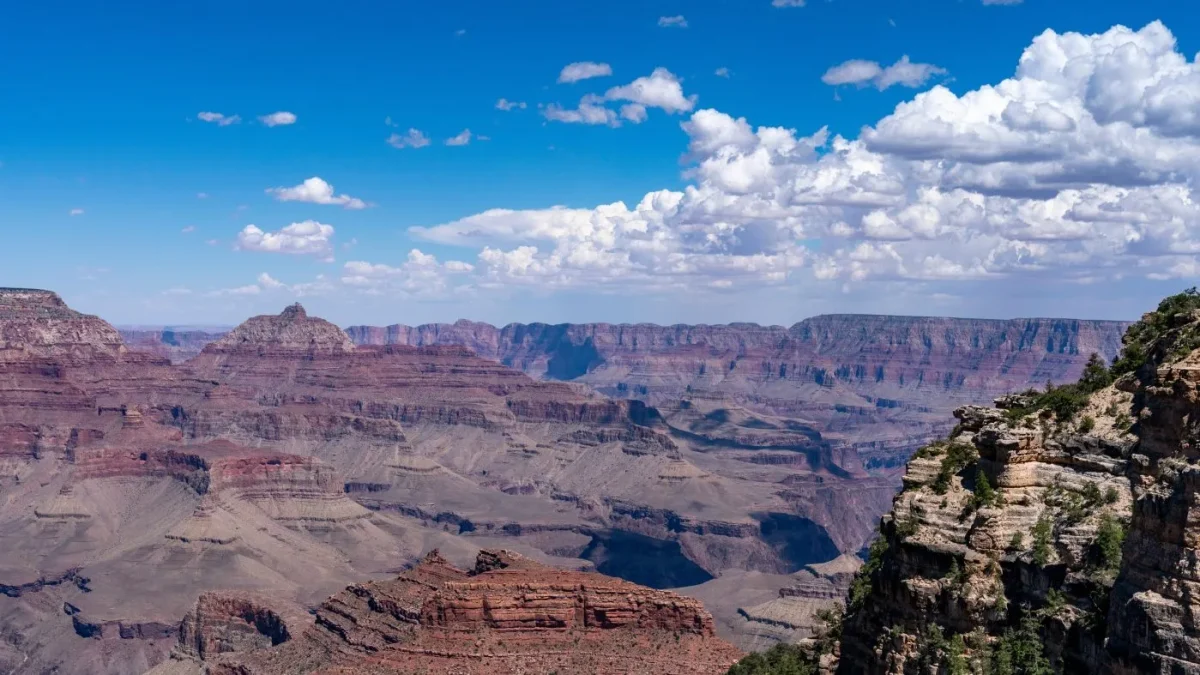
Table of Contents
Flash Flood Devastates Grand Canyon’s Bright Angel Canyon; Roughly 15 Hikers Remain Unaccounted For
Provpnadvice.com – A powerful flash flood tore through one of the Grand Canyon’s most heavily trafficked corridors on Saturday afternoon, leaving approximately 15 hikers and backpackers missing or unaccounted for as of Sunday, according to the National Park Service. The event struck Bright Angel Canyon and the Phantom Ranch zone, areas that funnel tens of thousands of visitors each season along the Bright Angel Trail — the single most-used footpath descending into the canyon’s inner reaches.
The flood initiated at roughly 2:30 p.m. Pacific Daylight Time on Saturday, sending a wall of water and debris cascading down Bright Angel Creek within minutes. Park officials described the aftermath as producing “significant impacts to infrastructure” across the canyon corridor. Nearly every footbridge spanning the creek was destroyed, severing the primary crossing points that hikers rely on to traverse the waterway. Trails, utility lines, lodging structures, and other built assets sustained damage that park crews were still cataloguing into Sunday.
Evacuation and Search Operations Underway
By Sunday morning, authorities had already moved 62 people out of Phantom Ranch and the lower segment of the North Kaibab Trail. Additional evacuations were scheduled later that morning from Cottonwood Campground and from Phantom Ranch itself. Evacuees were being transported to the Maswik Lodge Cafeteria, which served as a temporary staging point. The park reported zero injuries as of that morning’s briefing.
Both National Park Service personnel and the Arizona Department of Public Safety were engaged in ongoing evacuation and search-and-accountability operations. Park communications staff urged the public to reach out if they knew of any hikers or backpackers who had been in the inner canyon along the Bright Angel Creek corridor. Specifically, the appeal covered individuals who may have been walking the North Kaibab Trail between the North Kaibab Trailhead and Phantom Ranch, camping at Bright Angel Campground, or spending time in the area colloquially called “the Box,” situated just north of Phantom Ranch.
The NPS directed anyone with information to contact its Investigative Services Branch Tip Line, requesting details such as the individual’s name, approximate location, planned route, group size, description of clothing or pack, and the last known time and place the person was in the affected zone.
Closures and Operational Disruptions
The park announced that several critical crossings and facilities would remain shut until further notice. Among them: the Black and Silver bridges that span the Colorado River at the canyon floor, Phantom Ranch itself, Bright Angel Campground, the Phantom Ranch Canteen and its associated cabins, and the full length of the North Kaibab Trail from the trailhead down to Phantom Ranch.
In a subsequent Sunday bulletin, the communications office confirmed that all park concession operations were suspending overnight lodging, including the Maswik Lodge. Day-use access to the park would continue, but visitors were advised to check current conditions before planning any descent into the inner canyon.
A Hiker’s Account of the Flood’s Arrival
David Gregory, who was hiking with a small group when the flood struck, described the moment the water turned from a manageable stream into a churning torrent. His party was extracted by helicopter and flown to a nearby high school before being placed in a hotel room for the night.
“We realized the creek near camp was black with debris and flowing rapidly,” Gregory said.
His account underscores how quickly a normally placid canyon stream can transform. Bright Angel Creek, like many waterways in the Grand Canyon’s inner gorge, can rise by several feet in a matter of minutes when rain falls upstream in the Kaibab Plateau or on the canyon rim. The narrow V-shaped profile of the canyon accelerates flow velocity, turning even moderate rainfall into a destructive surge that sweeps away timber, rock, and anything else in its path.
Scale of the Problem and Visitor Context
The Grand Canyon draws enormous numbers of visitors every month. More than 409,000 people entered the park last month, and cumulative visitation for the current year had already surpassed 2.4 million by the close of July, per NPS data. That volume of foot traffic makes any infrastructure failure along a primary trail corridor a major operational event, and any gap in accounting for individuals becomes a high-stakes search-and-rescue priority.
The destruction of nearly all creek crossings in Bright Angel Canyon effectively isolates the lower trail segments from safe egress. Until bridges are repaired or alternative crossings are established, hikers below the flood line face limited options for leaving the canyon. Park engineers and maintenance crews were continuing damage assessments to trails, bridges, utilities, and facilities throughout Sunday.
For visitors planning trips in the coming weeks, the episode serves as a reminder that flash-flood risk in the Grand Canyon’s inner canyon is not a seasonal curiosity but a recurring hazard. The canyon’s geology — steep walls, narrow drainage channels, and upstream catchments that can deliver intense rainfall within minutes — creates conditions where a brief storm far above the rim can produce a catastrophic flood at the trailhead below. Park officials have long advised hikers to monitor weather forecasts, identify escape routes above creek level, and avoid camping directly on stream channels during monsoon season.
As of the latest available information, the search for the approximately 15 unaccounted-for individuals remained active, with park and state agencies coordinating aerial and ground-based efforts through the affected corridor.
Related Reading
Frequently Asked Questions
What is Approximately 15 people may be missing?
Approximately 15 people may be missing is the main topic of this guide. The article explains the context, practical details, and next steps readers should understand.
Why does Approximately 15 people may be missing matter?
Approximately 15 people may be missing matters because readers are looking for a useful answer, not just a short summary. Good content should match search intent and help them decide what to do next.