Bowser reinstates limited youth curfew in DC

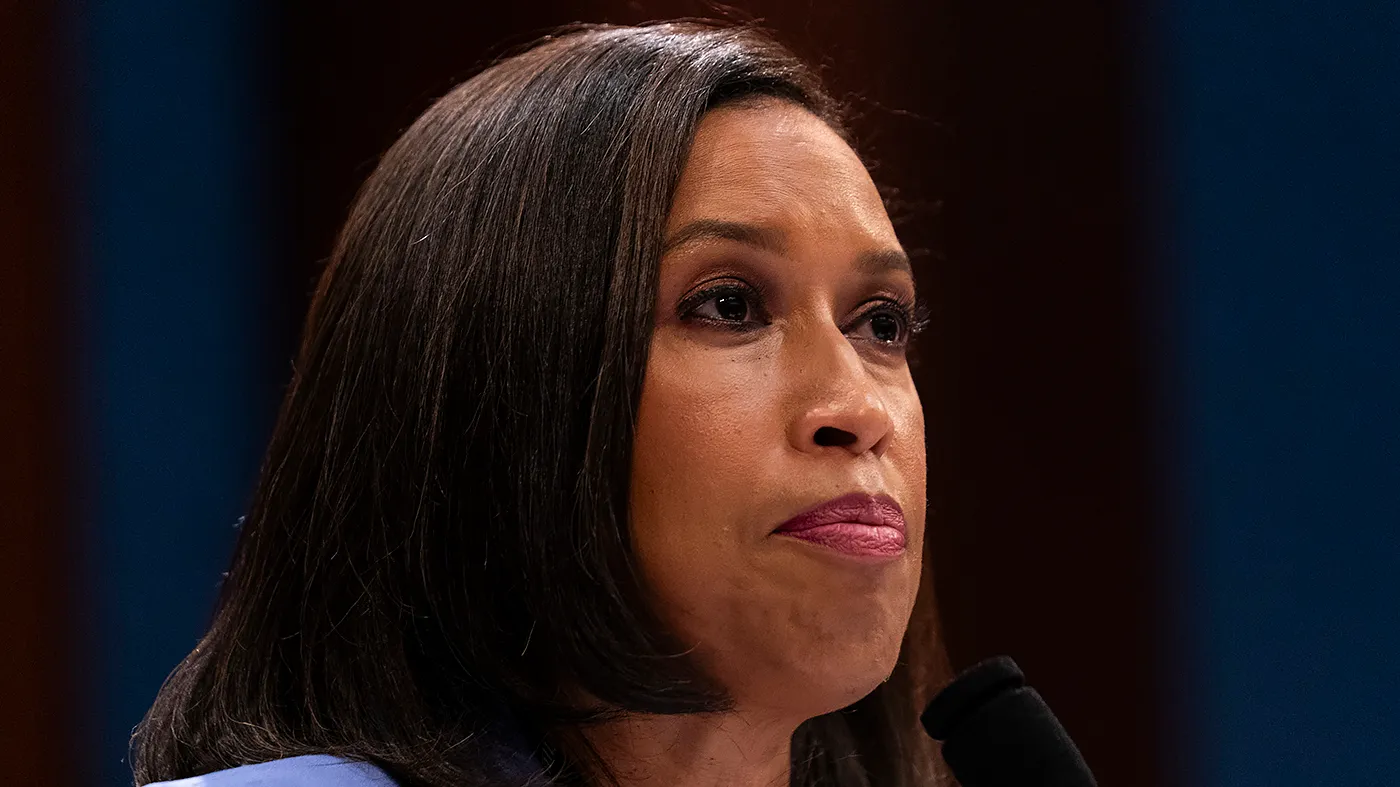
D.C. Mayor Muriel Bowser Has Reinstated Temporary Youth Curfew Amid Public Safety Concerns
Provpnadvice.com – In response to recent community disturbances, D.C. Mayor Muriel Bowser has reactivated a limited curfew for minors, extending the restrictions for an additional two weeks. The measure, announced on Friday, aims to address rising incidents of underage crime and disorderly behavior in the city’s neighborhoods, with a particular focus on areas prone to late-night gatherings.
Curfew Details and Enforcement
The new order specifies that all individuals under 18 must remain indoors after 11 p.m., while certain high-risk zones will enforce an earlier 8 p.m. deadline. These zones, to be determined by the Chief of Police, are likely to include locations where previous incidents of youth-related disruptions have occurred. Additionally, the directive restricts groups of ten or more minors from congregating in curfew areas unless they are engaged in approved activities or accompanied by an adult.
“This curfew is designed to restore order and protect the public,” Bowser stated in a social media post. “By limiting the time when young people are out of their homes, we can reduce the likelihood of conflicts that threaten community safety.” The mayor’s decision follows a series of events that have raised concerns about the behavior of teenagers in the city, particularly during the summer months.
Triggering Incident and Public Emergency
The curfew’s reinstatement was prompted by a chaotic confrontation at a Chipotle restaurant in the Navy Yard neighborhood. DC News Now reported that three teenagers were recently charged with simple assault and affray in connection with the incident, which involved a group of youths in black clothing engaging in aggressive behavior, including throwing chairs. Bowser declared a public emergency in late May, citing the event as a catalyst for stricter measures.
“The footage of these unruly youth highlights how their actions can damage the District’s reputation as a secure and enjoyable place for both residents and visitors,” Bowser wrote in her Friday proclamation. “When groups of minors engage in disruptive conduct, it discourages others from participating in public life and undermines the city’s image.” The mayor emphasized that the curfew is a critical step to prevent similar incidents and ensure the safety of all community members.
Summer Heat and Behavioral Patterns
Bowser highlighted the challenges posed by the summer season, noting that the heat often amplifies tensions and encourages more people to leave their homes. “With school out of session, the combination of rising temperatures and increased nighttime activity has created an environment where incidents are more likely to occur,” she explained. “This curfew is urgently needed to mitigate risks and keep our neighborhoods safe during this vulnerable period.”
The measure also aligns with broader efforts to manage the city’s safety profile. Bowser’s administration has cited a need to reduce the frequency of violent acts and disorderly conduct, particularly in areas where youth populations are concentrated. By imposing time-based restrictions, the city hopes to create a more predictable pattern of movement and activity among young people.
Political Context and National Commentary
President Trump’s earlier comments on the situation have framed the issue as a national concern, with the D.C. mayor’s office echoing his sentiments. Last August, Trump argued that the nation’s capital had been “overtaken” by violent criminals and “roving mobs of wild youth,” leading to the deployment of federal law enforcement, including National Guard troops, to support local crime reduction efforts. His remarks have been used to justify increased oversight of youth behavior in the city.
While Bowser’s curfew focuses on immediate community safety, it has sparked a debate about the balance between youth freedom and public order. Critics argue that the policy could disproportionately affect families and young people, especially during the summer when outdoor activities are more common. However, supporters contend that the restrictions are necessary to address the root causes of nighttime disturbances and restore confidence in the city’s safety.
Legal Actions and Parental Accountability
U.S. Attorney Jeanine Pirro, who has been vocal about youth-related issues, has criticized the D.C. City Council for failing to tackle the “teen takeovers” that she claims are undermining the district’s safety. Pirro argued that the current curfew does not sufficiently address the problem, advocating for stronger legal consequences for parents who neglect their responsibilities.
Last month, Pirro announced that parents allowing their children to violate the curfew could face up to six months in jail, regardless of whether the juvenile is separately prosecuted. Her office plans to work closely with the Metropolitan Police Department to identify and cite instances where curfew breaches are linked to “takeover-related incidents.” These citations could result in mandatory parental notifications, court-ordered parenting classes, or family counseling sessions.
“Law-abiding taxpayers should not bear the cost of chaos created by parental neglect,” Pirro said in a statement. “If parents are unwilling to take charge, we will ensure that the consequences are enforced.” Her comments underscore a growing push to hold families accountable for the behavior of their children, particularly in public spaces.
The curfew’s implementation has also drawn attention to the role of local governance in shaping safety policies. With the City Council facing pressure from both the mayor and the U.S. Attorney’s office, the debate over youth curfews continues to highlight the tension between individual freedoms and collective security. As the two-week extension takes effect, the city will closely monitor its impact on crime rates and community dynamics.