Former Tiger Woods prosecutor on plea deal: ‘Both sides win’

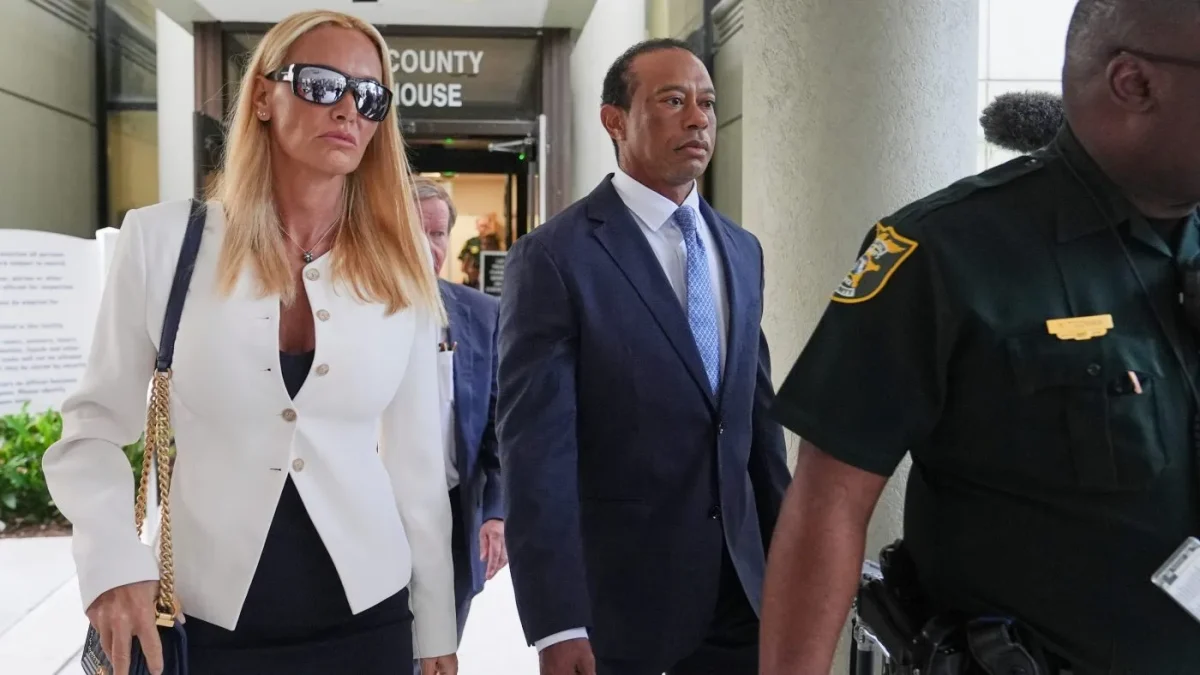
Table of Contents
Tiger Woods Plea Deal Draws “Both Sides Win” Verdict From His Own Former Prosecutor
Provpnadvice.com – The former golf superstar who once dominated the sport for two decades has once again found himself at the center of a Florida courtroom drama — and this time, the man who once put him behind bars is calling the outcome a mutual victory. Dave Aronberg, the Palm Beach County state attorney who handled Woods’s 2017 drunk-driving prosecution, offered his assessment on Wednesday: the plea bargain that reduced the golfer’s charge to a no-contest plea on a reckless-driving count leaves every party with something to show for its effort.
“In this case, both sides win. It’s not that they’re not throwing out all the charges. He had to pay a price. He had to plead guilty to the lesser offense of reckless driving.”
Aronberg made those remarks during an appearance on NewsNation’s “Elizabeth Vargas Reports,” where host Elizabeth Vargas pressed him on the strengths and weaknesses of the state’s case against the 50-year-old athlete. His answer pointed squarely at the limitations prosecutors faced in this particular incident.
The Evidentiary Gap That Shaped the Negotiation
The March crash in Jupiter, Florida, sent Woods’s Land Rover airborne after it collided with a pickup truck. What followed in the aftermath became the crux of the legal dispute. Woods never submitted to a breathalyzer test and declined a urinalysis, meaning the state walked into negotiations without a single chemical reading tying him to impairment at the moment of impact.
What the prosecution did possess was video. Dashcam recordings from the responding officers’ vehicles, along with body-camera footage, captured Woods in the minutes after the wreck. In those recordings, he appeared visibly disoriented. Officers also located two pills in his pocket. For the state, that visual and physical evidence constituted the strongest material available — and, in Aronberg’s view, it was not enough to guarantee a slam-dunk conviction at trial.
On the other side of the table, Woods’s attorneys argued that the golfer had been taking prescription medications to manage pain from prior injuries. Their position was that he had built up a tolerance to those drugs over time, rendering him functionally unimpaired when the collision occurred. Without a breath test or urine sample to contradict that narrative, the defense held considerable leverage.
“I mean, he didn’t have a slam dunk here.”
That blunt assessment from Aronberg underscored why the state ultimately accepted the plea change. Thomas Bakkedahl, the State Attorney for Florida’s 19th Judicial Circuit, defended the decision to reporters on Wednesday, stating simply that he did what he believed was right. Aronberg, speaking from the outside looking in, agreed with the outcome while questioning the underlying case quality.
“He did the right thing in that this case is flawed.”
A Pattern Echoing 2017
For readers who remember the previous chapter, the parallels are difficult to ignore. In 2017, Woods was pulled over in Palm Beach County after his vehicle was found running with him asleep at the wheel. Officers reportedly had to rouse him before completing the arrest. He pleaded guilty to the charges that followed and completed a first-offender program, avoiding a jail sentence but suffering a significant suspension of his driving privileges.
That earlier episode set a precedent in the public’s mind: a high-profile athlete with a documented history of substance-related issues navigating Florida’s criminal justice system. The Jupiter crash, arriving less than a decade later, inevitably invited comparison. Woods himself acknowledged the gravity of the situation by announcing, shortly after his March arrest, that he would step away from competitive golf to pursue addiction treatment.
“To taking the time needed to return in a healthier, stronger and more focused place, both personally and professionally.”
That social-media statement, issued in the immediate aftermath of the arrest, framed the episode as a personal reckoning rather than merely a legal matter. It also positioned the plea deal within a broader narrative of recovery and accountability that Woods has been attempting to construct since the 2017 incident.
What the Plea Agreement Actually Requires
Beyond the no-contest plea on the reckless-driving count, the deal carries concrete consequences. Woods’s driver’s license will be suspended for five years. A monetary fine is also part of the agreement. Those terms, while less dramatic than a prison sentence, represent a meaningful restriction on a man whose career has depended on mobility, travel, and public visibility.
The five-year suspension, in particular, will affect his ability to drive personally for the foreseeable future — a practical constraint that extends well beyond the courtroom. For a figure whose brand is built on physical dominance and self-reliance, the administrative penalty carries its own weight.
Why the “Both Sides Win” Framing Matters
Aronberg’s language is notable because prosecutors rarely characterize plea negotiations as victories for the defendant. By calling it a mutual win, he implicitly acknowledged that the state’s evidentiary position was weaker than it would have preferred. The absence of chemical-test results, combined with the defense’s tolerance argument, meant that a trial would have carried genuine risk of acquittal or a hung jury.
For the defense, the win is equally clear: a lesser charge, no jail time, and a path back to public life without a conviction on a more serious count. The plea structure allowed Woods to accept responsibility — the “price” Aronberg referenced — while avoiding the maximum exposure the original charges carried.
The episode closes another chapter in a long-running story about one of golf’s most dominant competitors and his repeated encounters with Florida law enforcement. Whether the treatment period he announced will produce the “healthier, stronger” return he described remains to be seen. What is settled now is the legal question: the state got a guilty plea, the defendant avoided the worst outcome, and, in Aronberg’s words, both sides walked away with something.
Related Reading
Frequently Asked Questions
What is Former Tiger Woods prosecutor on plea?
Former Tiger Woods prosecutor on plea is the main topic of this guide. The article explains the context, practical details, and next steps readers should understand.
Why does Former Tiger Woods prosecutor on plea matter?
Former Tiger Woods prosecutor on plea matters because readers are looking for a useful answer, not just a short summary. Good content should match search intent and help them decide what to do next.