Lawmakers demand answers on Amateur Athletic Union sex abuse scandal

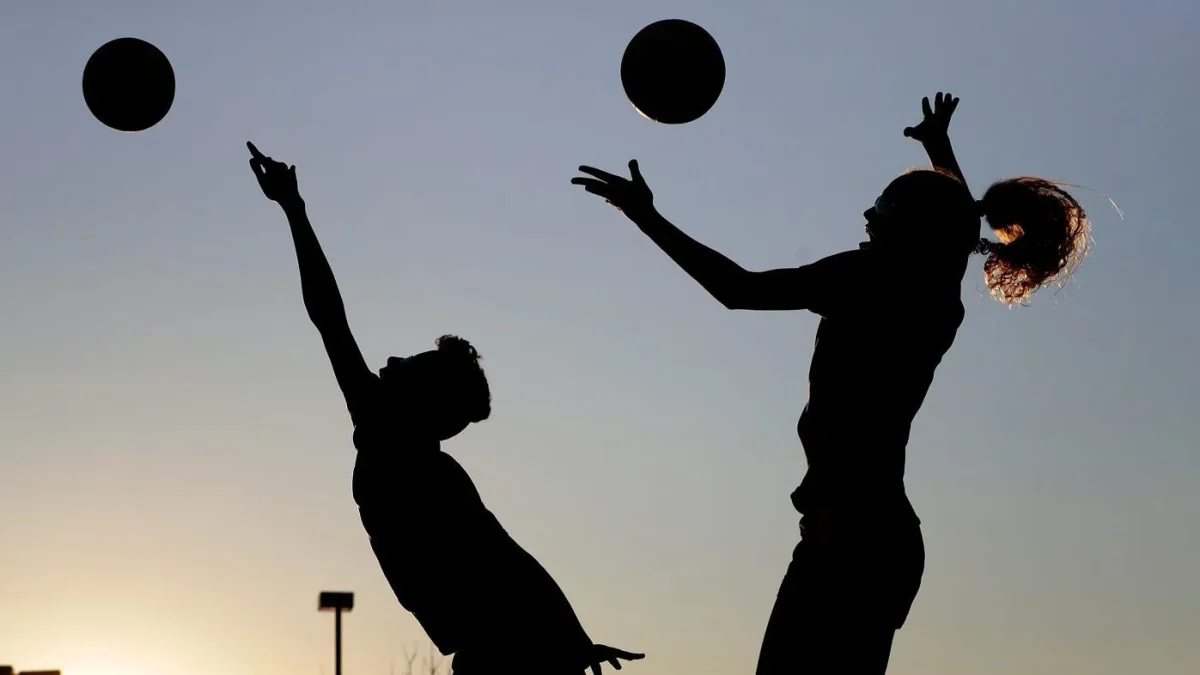
Table of Contents
Congressional Leaders Seek Details on AAU Safeguarding Practices
Provpnadvice.com – A bipartisan pair of House Energy and Commerce Committee leaders is pressing the Amateur Athletic Union for information about how it responds to allegations of sexual abuse involving coaches and other adults in youth sports. The inquiry centers on whether the organization has followed through on protections it said it would adopt after earlier concerns about misconduct.
Rep. Brett Guthrie (R-Ky.), the committee chairman, and Rep. Frank Pallone Jr. (D-N.J.), its ranking member, sent a letter to AAU leadership challenging the organization’s child-safety record and its public descriptions of the measures it uses. Their action places renewed attention on the standards expected of national youth sports organizations that serve large numbers of children and families.
“It is unacceptable that AAU is failing to implement standard reforms to protect child athletes, and is misleading the public, parents, and athletes about preventative measures in place within AAU sports.”
The AAU has nearly 800,000 athletes participating in more than 50 sports around the country. Its programs include widely played youth sports such as basketball, soccer and volleyball, making its policies relevant to parents, athletes, coaches, event organizers and local clubs that participate under the organization’s umbrella.
Questions Raised by Earlier Promises
The lawmakers’ letter follows an August investigation that examined the AAU’s handling of abuse concerns after a 2011 scandal. The investigation found that reforms promised by the organization had not been fully put into place, including measures intended to address sexual abuse by coaches and other officials.
One central issue involves adults who had already been barred for misconduct by other youth sports groups. The AAU had said it would prevent coaches banned elsewhere from taking part in its programs. Yet eight coaches who had been prohibited by other youth organizations were found working with children in AAU settings.
For families, the distinction matters because participation in a youth sports program often depends on trust in systems that operate beyond a single team or tournament. Background screening, identity verification, reporting channels and restrictions on individuals accused or found to have committed misconduct all play different roles. A policy can exist on paper while questions remain about how consistently it is applied across a large, decentralized sports network.
“ProPublica’s reporting describes numerous abuse cases involving AAU coaches that occurred even after the organization’s updated child protection policies were reportedly put in place in 2012,” the lawmakers wrote.
The committee leaders are asking the AAU to account for its practices and to explain how it oversees safeguards involving adults who work with young athletes. Their letter signals that the issue is not limited to individual allegations, but also concerns organizational systems designed to identify risks and stop barred adults from returning to youth sports.
Comparison With Olympic and Paralympic Reforms
Guthrie and Pallone pointed to reforms adopted in the Olympic and Paralympic movement after congressional scrutiny of sexual abuse cases. Those changes included the creation of a public database that allows people to search for individuals who have been suspended or banned.
A searchable record can give parents and sports organizations a way to check whether an adult has been restricted from working with athletes. The lawmakers indicated that the AAU situation has echoes of problems Congress encountered during its earlier examination of abuse within elite amateur sports.
“While progress has been made in the Olympic and Paralympic movement, unfortunately we are seeing parallels between what the Committee saw in its prior investigation with what is being uncovered within the AAU today,” the lawmakers wrote.
The comparison also underscores a broader concern in youth athletics: protections can vary among organizations, leagues and events even when the same young athletes move between them. National organizations may set rules, while local clubs, coaches and tournament operators carry out much of the day-to-day activity. Effective safeguards depend on clear standards, reliable screening and prompt action when warning signs emerge.
AAU Cites Existing Safety Measures
When the investigation was published, the AAU said athlete protection remained a central commitment. The organization described its policies as comprehensive and said they are overseen by its Compliance Department.
“[C]ommitted to protecting its athletes through comprehensive protection policies overseen by our Compliance Department.”
The AAU also said that safeguarding young participants guides its safety efforts, including verified identity checks and required background screenings for all non-athlete members. That group includes coaches, who often have direct and repeated contact with children during practices, travel, competitions and other program activities.
“[I]s at the forefront of our safety measures such as a verified identity check and mandatory background screenings for all non-athlete AAU members, including coaches.”
The congressional inquiry now puts focus on how those stated procedures work in practice, particularly when a person has been banned by another youth sports organization. Screening systems can only protect athletes as effectively as the information they use, the records they check and the decisions made when a potential concern is identified.
Parents considering youth programs may reasonably want to understand who conducts background checks, how frequently they occur, whether restrictions from other organizations are reviewed and where concerns can be reported. The lawmakers’ request for answers from the AAU reflects the importance of those practical questions for an organization that reaches hundreds of thousands of young athletes nationwide.
Related Reading
Frequently Asked Questions
What is Lawmakers demand answers on Amateur Athletic?
Lawmakers demand answers on Amateur Athletic is the main topic of this guide. The article explains the context, practical details, and next steps readers should understand.
Why does Lawmakers demand answers on Amateur Athletic matter?
Lawmakers demand answers on Amateur Athletic matters because readers are looking for a useful answer, not just a short summary. Good content should match search intent and help them decide what to do next.