Senate Democrats block short-term extensions of FISA 702 spy powers

Senate Democrats Block Short-Term Extensions of FISA 702 Spy Powers
Provpnadvice.com – On Thursday, Senate Democrats thwarted Republican efforts to secure a brief renewal of the Foreign Intelligence Surveillance Act (FISA) Section 702 by unanimous consent. The measure, which would have allowed the spy program to remain in effect until July 2, faced resistance from key Democratic leaders who objected to its passage without broader reforms. This action came amid growing concerns over the program’s scope and its potential impact on American privacy rights.
A Battle Over Surveillance Authority
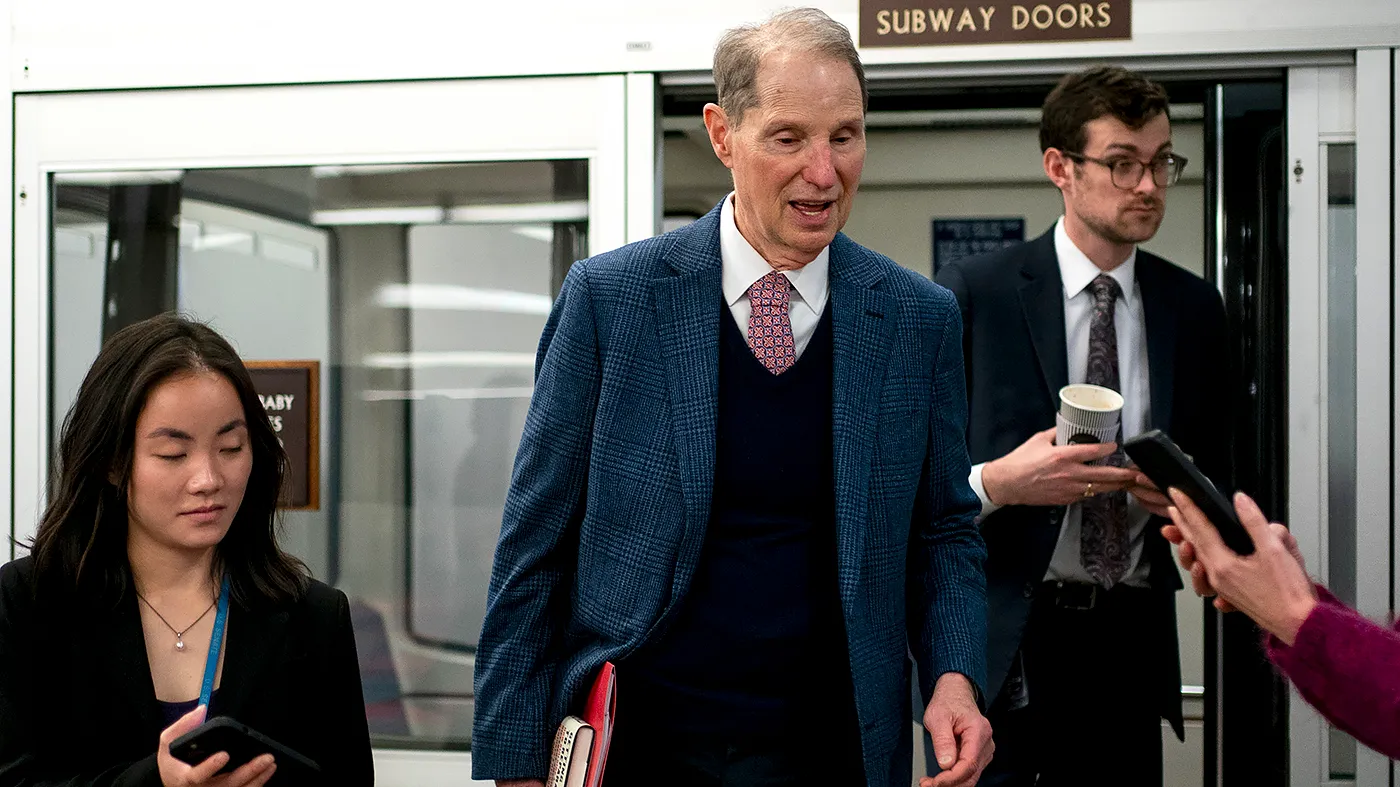
Senator Tom Cotton (R-Ark.) initially sought unanimous consent to extend Section 702 for a short period, aiming to prevent a lapse in its provisions. His proposal was met with immediate opposition from Senator Ron Wyden (D-Ore.), who raised concerns about the program’s implications for domestic surveillance. Wyden’s objection underscored the Democratic Party’s stance against maintaining the status quo without additional safeguards.
Cotton’s attempt followed a previous proposal from Senate Majority Leader John Thune (R-S.D.), who sought to extend the Section 702 authority for just one week. This second effort also failed when Wyden voiced his dissent, marking the second time in a single day that Congress could not agree on a short-term renewal. The program’s expiration on Friday now looms as a critical deadline, with lawmakers scrambling to reach a consensus.
Section 702 of FISA enables the U.S. government to conduct surveillance on foreign nationals located outside the country. Critics argue that the program’s current framework allows for the incidental collection of data on Americans, effectively capturing their communications when interacting with overseas targets. These critics, including Wyden, advocate for the inclusion of a warrant requirement to ensure greater oversight before the government can access information on U.S. citizens.
The Democratic resistance to the extension is tied to their opposition to President Trump’s nomination of Bull Pulte as the director of national intelligence. Pulte, a controversial choice among some lawmakers, has become a focal point of the debate. Democrats have cited his appointment as a reason to delay the renewal, believing it reflects a broader ideological divide over the program’s governance.
Wyden’s Argument for Reform
Senator Ron Wyden, a vocal advocate for reforming FISA 702, emphasized that the program’s repeated failures to secure renewal demonstrate widespread dissatisfaction with its current structure. “Bipartisan majorities in both the House and the Senate have now rejected what I consider to be the surveillance status quo,” Wyden stated on the Senate floor. He argued that the program’s flaws have been evident across multiple administrations, with lawmakers now united in their refusal to support its continuation without changes.
“I believe there just have been too many abuses of Americans’ rights across multiple administrations, and members of Congress are now standing up and saying no more,” Wyden added. His comments highlighted the program’s perceived shortcomings, such as the lack of transparency and the potential for overreach in monitoring domestic communications. Wyden stressed that the only viable solution is to implement real reforms that address these concerns.
Wyden’s objection to the one-week extension was not merely procedural; it was a strategic move to push for a more comprehensive discussion. He later proposed an alternative that would extend the program for five weeks while requiring the disclosure of classified records detailing its use. This proposal aimed to strike a balance between maintaining the program’s functionality and introducing accountability measures.
Critics of the Opposition
Senator Tom Cotton criticized Wyden’s stance as a rigid adherence to ideological principles, arguing that it jeopardizes the nation’s security. “Bipartisan majorities in both the House and the Senate have now rejected what I consider to be the surveillance status quo,” Cotton said, echoing Wyden’s words but framing them as a defense of the program. “I believe there just have been too many abuses of Americans’ rights across multiple administrations, and members of Congress are now standing up and saying no more,” he added, pointing to the need for a temporary extension to avoid disruption.
Cotton asserted that Section 702 is specifically designed to target foreigners in foreign countries, rather than Americans. “702 does not surveil Americans. It is, to put it simply, about foreigners in foreign countries,” he clarified. He warned that if the law expired immediately, the existing guardrails—such as limits on data collection and oversight mechanisms—would also vanish, potentially leaving the program in a state of unregulated operation.
Wyden’s earlier objection to the short-term extension was joined by a subsequent challenge from the same senator. He proposed extending Section 702 for five weeks, but with the condition that the government must disclose classified records related to its use. This move sought to address criticisms of the program while preventing a complete shutdown. Thune, however, viewed this as an overreach, accusing Democrats of using the issue to block the program’s renewal.
Political Tensions and the Path Forward
Senator John Thune accused Democrats of creating a political obstacle by linking the program’s renewal to the appointment of Bull Pulte. “Democrats have decided to block a vote against something that many in the past have supported, that’s keeping this country safe, because they don’t like the person that President Trump is putting into a temporary acting role,” Thune said. He framed the dispute as a partisan issue, arguing that the program’s effectiveness should not be questioned due to the director’s political affiliations.
Thune’s remarks reflected the broader political divide surrounding FISA 702. While Republicans defend the program as a vital tool for national security, Democrats see it as a symbol of the surveillance state that has grown unchecked. The debate has intensified in recent months, with lawmakers on both sides of the aisle calling for modifications to the law’s provisions. Cotton’s criticism of Wyden as an “implacable ideological opponent” highlighted the clash between those who prioritize surveillance capabilities and those who emphasize individual privacy rights.
As the deadline approaches, the focus shifts to whether a compromise can be reached. The failure to pass a short-term extension raises questions about the program’s future, with the possibility of a full shutdown if no agreement is found. The debate over FISA 702 continues to reflect deeper tensions in Congress about the balance between security and civil liberties, and its resolution may set a precedent for future surveillance legislation.
Wyden’s repeated objections have positioned him as a central figure in the reform movement, but his actions have also drawn criticism from those who argue that the program is essential for tracking threats abroad. The challenge now is to reconcile these perspectives, ensuring that the extension of FISA 702 does not come at the expense of fundamental rights. Whether Democrats will ultimately agree to a modified version of the law remains to be seen, but their resistance has already sent a clear message about their priorities in the ongoing debate over surveillance powers.