Push for 3-week FISA 702 extension draws swift pushback from Senate Democrats

Senate Democrats Reject Three-Week FISA 702 Extension Amid Pulte Controversy
Section 702’s Expiration Sparks Debate Over Warrantless Surveillance Powers
Provpnadvice.com – The Senate Intelligence Committee is currently grappling with a pivotal decision regarding the renewal of Section 702 of the Foreign Intelligence Surveillance Act (FISA). This provision, which allows the U.S. government to conduct warrantless surveillance of foreign nationals, is set to expire on Friday. The debate has intensified as lawmakers from the Democratic Party have voiced concerns over the implications of extending the provision, tying it directly to the leadership of the Office of the Director of National Intelligence (DNI).
Senators are now pushing to fast-track a three-week extension of Section 702, but this effort has already encountered resistance from Democratic members. The core of the disagreement centers on the appointment of Bill Pulte as acting DNI. Democrats argue that unless Pulte is removed from the position, they will not support the extension. This stance reflects broader concerns about the executive branch’s control over surveillance authorities and its alignment with the Trump administration’s policies.
According to reports, the current acting DNI is Aaron Lukas, who was confirmed as principal deputy DNI in July. Initially, the Trump administration had named Lukas as acting director when Tulsi Gabbard resigned from the role, but later reversed its decision to appoint Bill Pulte, the head of the Federal Housing Finance Agency, to the position. This move, however, bypassed the Senate’s confirmation process, which Democrats view as critical to maintaining checks and balances on intelligence operations.
Democratic Demand for Pulte’s Removal: A Key Condition for Extension
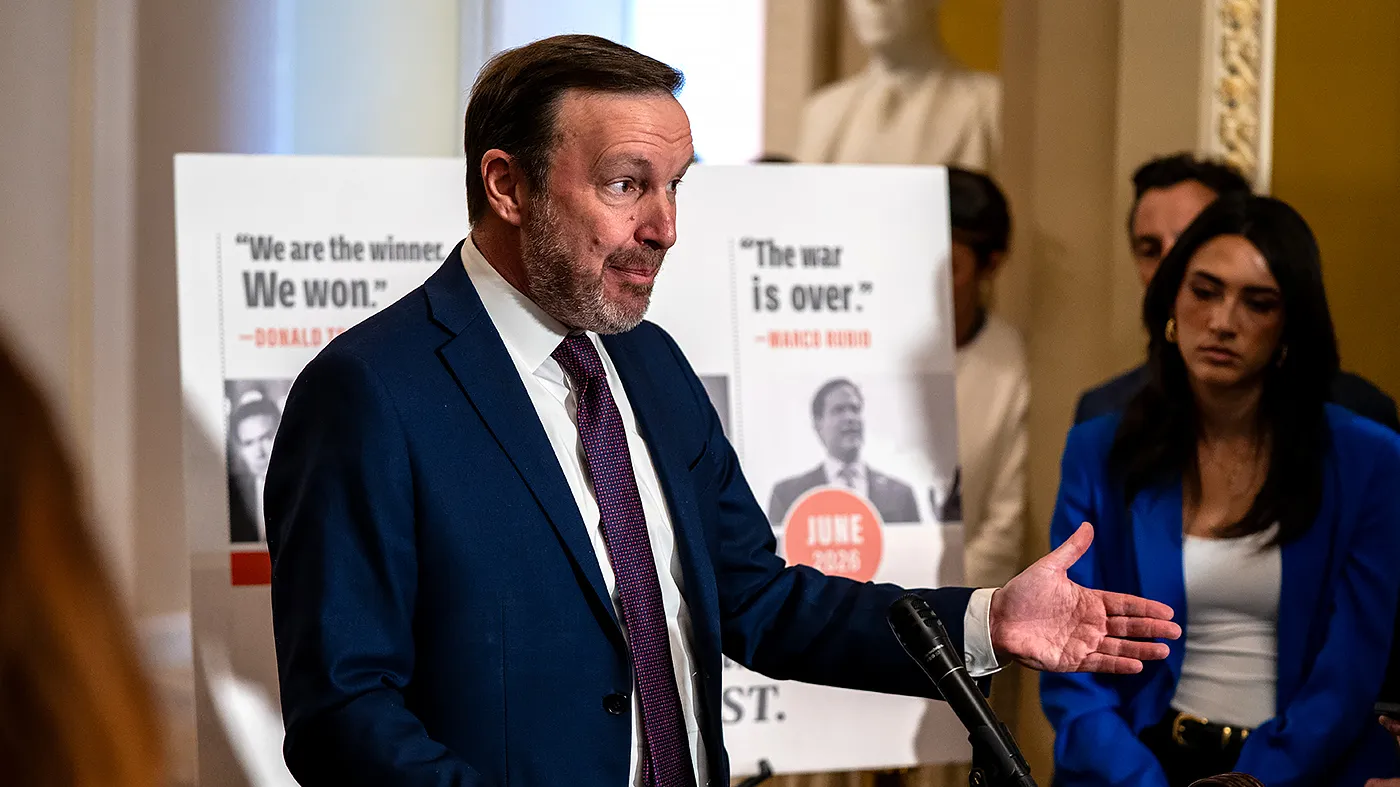
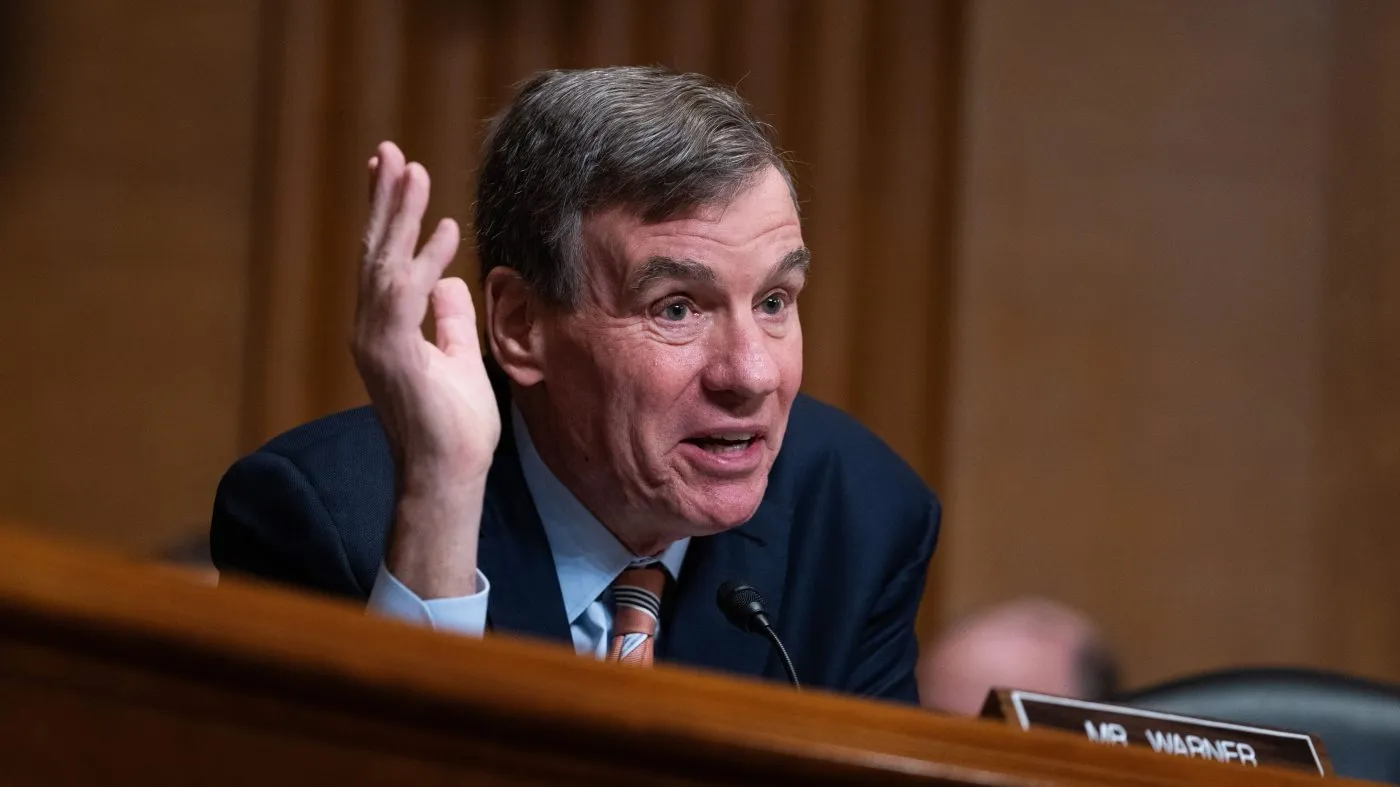
Senators have made it clear that their support for any short-term extension of Section 702 depends on the administration keeping Lukas in the acting role. The demand stems from the belief that Pulte’s leadership introduces a bias toward expansive surveillance practices. “Whatever the period of the extension would be, I could be supportive if the law is followed, and that means the current Trump-appointed, Senate confirmed number two DNI is the acting during that extension period,” said Sen. Mark Warner (D-Va.), who chairs the Senate Intelligence Committee. Warner’s statement underscores the Democrats’ insistence on procedural integrity, even as they acknowledge the need for temporary authority to maintain intelligence operations.
“Whatever the period of the extension would be, I could be supportive if the law is followed, and that means the current Trump-appointed, Senate confirmed number two DNI is the acting during that extension period,” Sen. Mark Warner (D-Va.), the top Democrat on the Senate Intelligence Committee, told reporters shortly after the deal was hotlined.
Warner’s comments come after the administration announced its intention to extend Section 702’s authority until July 2. This proposal, however, has been met with skepticism. Democratic leaders argue that Pulte’s role as acting DNI creates an opportunity for the executive branch to expand surveillance powers without congressional oversight. “If we want to keep 702 alive, the administration simply needs to follow the law and keep Mr. Lucas,” Warner added, highlighting the importance of adhering to the Senate’s confirmation process.
Sen. Adam Schiff (D-Calif.), a vocal critic of the Trump administration’s intelligence policies, echoed Warner’s concerns. Schiff stated that the extension is unlikely to pass without Pulte’s removal. “There’s a perfectly good acting director in place now, a professional, so unless you want to do mischief with the agency, there’s no need to put Pulte in the role,” he said. Schiff’s remarks suggest that Democrats see Pulte’s appointment as a strategic move to centralize control over surveillance programs, potentially undermining transparency and accountability.
“There’s a perfectly good acting director in place now, a professional, so unless you want to do mischief with the agency, there’s no need to put Pulte in the role,” said Sen. Adam Schiff (D-Calif.).
The controversy over Pulte’s appointment dates back to July, when the Senate confirmed Lukas as principal deputy DNI. Trump had initially named Lukas as acting director following Gabbard’s resignation but later replaced him with Pulte. This reversal, which occurred without Senate approval, has fueled Democratic apprehension. They argue that the decision to bypass the confirmation process was an attempt to consolidate authority within the intelligence community, favoring policies that prioritize national security over civil liberties.
Section 702 has long been a focal point of debates about privacy and surveillance. The provision allows the National Security Agency (NSA) to collect data from foreign targets, including emails, phone calls, and online communications, without requiring a warrant. While supporters of the extension argue that such powers are essential for combating global threats, critics, including Democrats, warn of the risk of overreach. They emphasize that the current political climate, marked by the administration’s rapid decision-making, raises questions about the long-term implications of the provision’s continuation.
Broader Implications for Intelligence Oversight and Democratic Leadership
Democrats are leveraging the FISA extension as a platform to push back against what they perceive as executive overreach. By tying the extension to the leadership of the DNI, they are not only challenging the administration’s choice of Pulte but also reinforcing their commitment to legislative oversight. “This is a test of whether the administration will respect the Senate’s role in confirming intelligence officials,” said a senior Democratic aide, speaking on condition of anonymity. “If they don’t, the extension becomes a symbolic gesture rather than a substantive solution.”
The situation highlights the tension between the need for immediate intelligence capabilities and the desire for congressional checks. While the extension could provide temporary relief, it risks setting a precedent for expedited appointments in the intelligence community. This could weaken the Senate’s ability to hold the executive branch accountable, a concern that has grown as the Trump administration continues to prioritize swift action over deliberation.
Despite the resistance, the administration remains determined to secure the extension. Pulte, who has been in the role since July, is seen as a key figure in maintaining the status quo. His tenure has been marked by efforts to streamline surveillance processes and expand the reach of the NSA. However, Democrats argue that his presence as acting director undermines the transparency that is essential for public trust. “The extension is not just about keeping surveillance alive—it’s about who is running the agency,” said a second Democratic senator, who requested not to be named. “Pulte’s appointment signals a shift toward unchecked power.”
The debate over FISA 702 is also a reflection of the broader ideological divide between the two parties. Republicans generally support the provision, citing its effectiveness in national security, while Democrats focus on the potential for abuse. The upcoming vote on the extension will serve as a litmus test for the Senate’s willingness to stand up to executive authority. If Democrats succeed in their demand, it could mark a significant victory for their oversight agenda. However, if the extension passes, it may further entrench the administration’s control over intelligence operations, even as the provision’s expiration looms.
As the Senate prepares to weigh the extension, the issue has become a flashpoint for partisan tensions. The Democrats’ insistence on Pulte’s removal underscores their belief that the intelligence community should be subject to legislative scrutiny. Meanwhile, the administration’s ability to fast-track the extension demonstrates its confidence in maintaining the provision’s continuity. With the clock ticking toward Friday’s expiration, the outcome of this debate will have far-reaching consequences for the balance of power between the executive branch and Congress, as well as for the future of warrantless surveillance in the United States.