Trump accounts are launching: 5 things to know

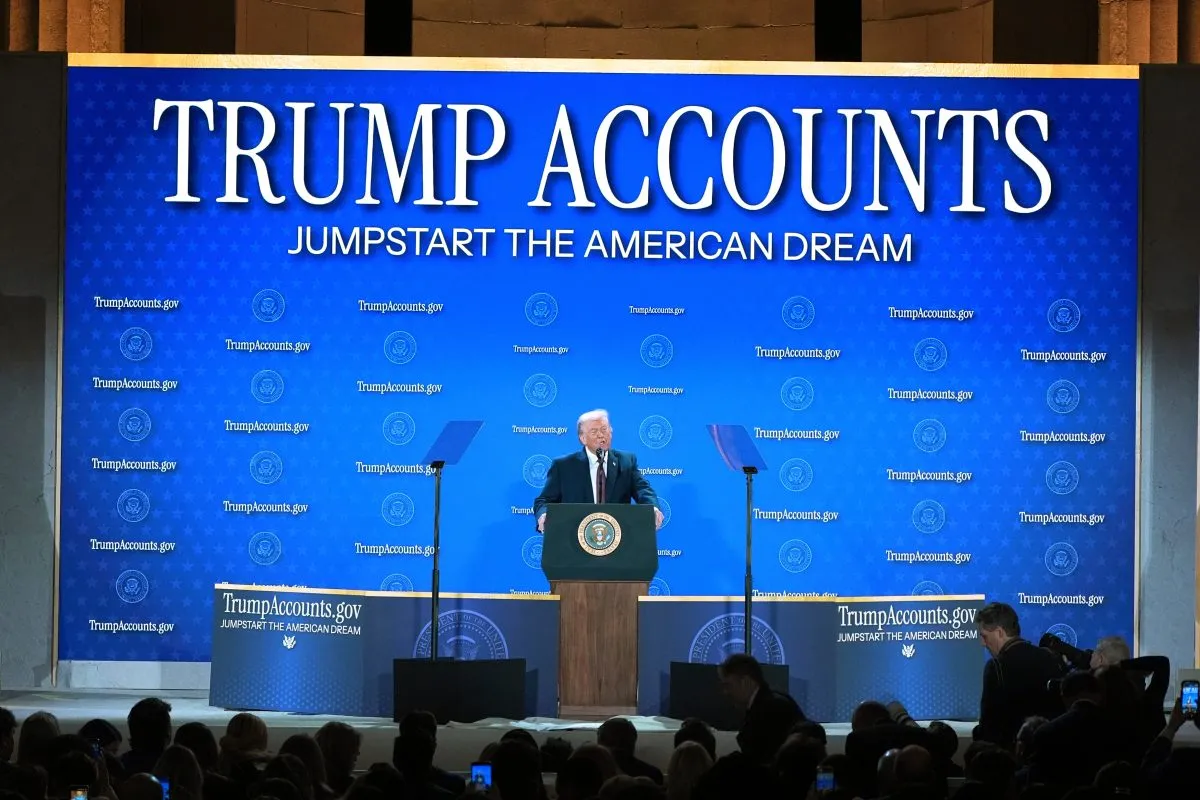
Trump Accounts Set to Launch: Key Information for Parents
Provpnadvice.com – The eagerly anticipated initiative for children’s Trump accounts is set to begin accepting initial deposits, marking a significant step in the federal government’s effort to provide financial tools for young Americans. This program, established under the One Big Beautiful Bill Act, aims to simplify savings and investment opportunities for families, allowing children to grow their funds over time. With over 6 million children already registered, the Treasury Department has confirmed that the accounts are now ready to process contributions, offering a unique opportunity for parents to prepare their children for future financial independence.
Eligibility and Registration Process
To qualify for a Trump account, a child must be under 18 years old and possess a valid Social Security number. The IRS clarifies that if a child’s Social Security card indicates “Valid for Work Only with DHS Authorization,” their number is still acceptable as long as the Department of Homeland Security authorization remains active. This ensures a broad range of eligibility, covering nearly all U.S. children.
Registration is straightforward for parents who have not yet enrolled their child or are awaiting birth. The process requires completing Form 4547, accessible through the official TrumpAccounts.gov website. This form will need both the parent’s and the child’s personal details, along with a choice to claim the optional $1,000 seed money from the Treasury, provided the child meets criteria. The Treasury emphasizes that these accounts are free to open, removing barriers for families seeking to start early.
How the Accounts Work
Unlike traditional savings accounts, Trump accounts function similarly to retirement accounts, accumulating value as the child ages. When a child reaches 18, they can access the funds for specific purposes, such as education, home purchases, or starting a business. The Treasury Department highlights that these accounts are designed to be flexible, allowing funds to be used in ways that align with long-term financial goals.
Contributions can come from various sources, including parents, friends, family, and employers. However, there are caps on how much can be added annually. For example, individuals can contribute up to $5,000 per year, while employers are limited to $2,500 annually. These limits are adjusted yearly based on inflation, as outlined by the IRS. Additionally, seed funds from government agencies or philanthropic organizations do not count toward these caps, providing extra flexibility for families.
Seed Funds and Growth Potential
One of the program’s most notable features is the optional $1,000 seed money provided by the Treasury. This lump-sum deposit is available for children born between January 1, 2025, and December 21, 2028. The Treasury has also stated that for children currently eligible, the seed funds will be accessible by July 4, ensuring a smooth transition into the program’s operations.
Financial projections suggest the potential for substantial growth. For instance, if a child receives the $1,000 seed money and no additional contributions are made, the account could grow to approximately $600,000 by retirement age, assuming an annual S&P 500 growth rate of 10.5%. An analysis by the Council of Economic Advisers further indicates that a child born in 2026 could see their account value exceed $300,000 by 18, with the possibility of reaching over $1 million by 28 under high-yield scenarios. These figures highlight the long-term benefits of early financial planning.
Tax Considerations and Exceptions
While the accounts offer growth potential, there are tax implications to consider. The IRS notes that early withdrawals may incur additional taxes, though exceptions exist. For example, distributions used for higher education expenses or first home purchases are exempt from these penalties. This structure balances the need for accessibility with the goal of encouraging long-term savings.
“Distributions for higher education or first home purchases may qualify for tax exemptions,” the IRS explained in a recent statement.
Parents are advised to understand these rules to avoid unexpected tax burdens. The Treasury Department recommends reviewing the program’s guidelines and consulting with a financial advisor if needed, particularly for those planning to make maximum contributions.
Scam Prevention and Official Communication
As the Trump accounts go live, the Treasury Department is urging vigilance against scams. Official correspondence will originate from the email address “no-reply@TrumpAccounts.Treasury.gov,” and the agency has confirmed it will not contact parents via phone or text message. This distinction helps prevent fraudulent activity targeting families eager to enroll their children.
For support, the Treasury has established in-app and online callback systems. Parents should only engage with the official website, TrumpAccounts.gov, or the mobile application to ensure they are interacting with trusted sources. The Treasury also emphasizes that any questions or concerns should be directed through these verified channels.
Expanding Access to Vulnerable Children
Eligibility extends beyond typical families, with an initiative led by First Lady Melania Trump aiming to include children in foster care. State, territorial, and tribal child welfare agencies have been tasked with opening accounts for eligible children under their care. Nearly two dozen states have already committed to facilitating the registration process, ensuring broader participation across the country.
This expansion reflects the program’s focus on equity, providing resources to children in need. By collaborating with child welfare systems, the Treasury Department hopes to create a safety net for those who may not have access to traditional savings tools. The success of this effort depends on state-level cooperation and proactive enrollment strategies.
Why This Program Matters
The Trump accounts represent a modern approach to financial education, empowering children to build assets from an early age. With contributions limited to $5,000 annually for individuals and $2,500 for employers, the program encourages disciplined saving while allowing flexibility for unexpected needs. The combination of seed funds and potential growth makes it a valuable tool for families looking to secure their child’s financial future.
As the program gains traction, its impact could ripple across generations. By starting early, families may benefit from compounding interest, with even modest contributions leading to significant returns over time. The Treasury Department is optimistic that this initiative will inspire more parents to prioritize their children’s financial well-being, fostering a culture of long-term planning.
With the launch date approaching, it’s essential for families to familiarize themselves with the process. Whether enrolling an existing child or preparing for a future one, the key steps remain the same: gather necessary information, complete Form 4547, and decide whether to take advantage of the optional seed funds. The program’s success will depend on widespread participation and awareness, making it a critical resource for American families in the years ahead.