Ingredient needed for pretty much all food just got way more expensive. Your grocery bill may soar too

Ingredient Needed for Pretty Much All Food Just Got Way More Expensive. Your Grocery Bill May Soar Too
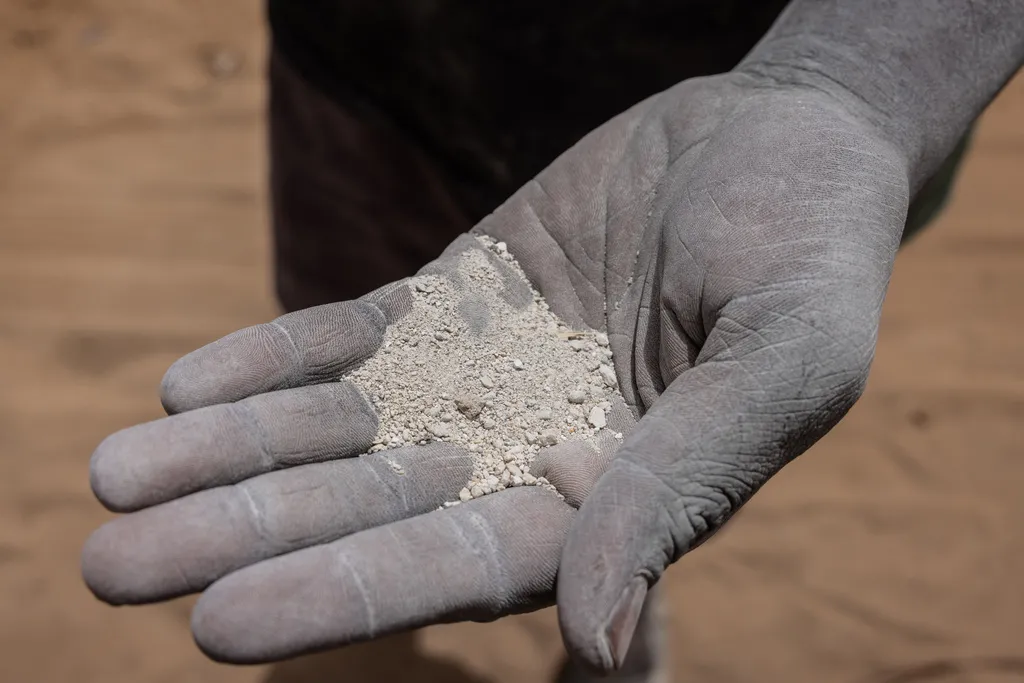
Provpnadvice.com – Unless you’re a farmer or an experienced gardener, the price of fertilizer may not be on your mind. Yet, this essential component plays a critical role in the cultivation of nearly every item you purchase at the grocery store or enjoy at home. From staple grains to fresh produce, fertilizer is a foundational element in modern agriculture, and its rising cost is beginning to ripple through the food supply chain.
Global Supply Chain Disruptions
The surge in fertilizer costs has been significant since the start of the Iran War. A key factor in this increase is the disruption of global trade routes, particularly the Strait of Hormuz, which saw a dramatic reduction in the flow of fertilizers. Before the conflict, roughly 30% of the world’s fertilizer imports passed through this strategic waterway, making it a vital artery for food production. The blockage has forced nations to seek alternative shipping routes, driving up transportation expenses and contributing to a steep rise in prices.
Recent data from the Associated Press highlights the rapid escalation of fertilizer costs. In just three months, the price of this essential commodity has jumped by 40%, creating a ripple effect across agricultural markets. For instance, a rice grower in Arkansas reported a sudden $50 increase in fertilizer costs per acre, which translates to a $200,000 surge in annual production expenses. Such hikes are not isolated to a single region; they’re impacting farmers worldwide, who now face mounting financial pressure.
Impact on Agricultural Production
Fertilizer is a cornerstone of farming, and its price volatility directly affects crop yields and costs. According to the United States Department of Agriculture, fertilizer accounts for 33% to 44% of the operating costs for corn and 43% to 45% for wheat. These percentages underscore the commodity’s significance, especially for staple crops. Dan Scheitrum, an agribusiness professor at Cal Poly’s College of Agriculture, explains that the cost of fertilizer is a key determinant in the profitability of farming operations.
“Everything else equal, we expect to see higher prices for corn, soybeans, wheat, potatoes, strawberries – everything that uses fertilizer,” Scheitrum said.
While some farmers may attempt to reduce fertilizer use, the trade-off is a potential decline in output. In California, for example, orchard owners and growers of perennial crops like vineyards and trees can’t easily scale back their plantings. These long-term investments mean that even if fertilizer prices remain high, they’re unlikely to cut back on acreage. This creates a dilemma: either absorb the increased costs or pass them on to consumers.
The consequences of expensive fertilizer are clear. Smaller harvests result in higher prices for consumers, as the cost of production rises. For instance, a corn farmer might find themselves spending more on inputs, which could lead to reduced yields. These lower quantities then translate to higher prices per unit, affecting everything from bread to livestock feed.
Broad Effects on Food Prices
Consumers aren’t just paying more for plant-based products. The rise in fertilizer costs also impacts meat and dairy prices. Scheitrum points out that a large portion of U.S. corn and soybeans is used as animal feed. This means that when the cost of these crops increases, so does the cost of producing beef, chicken, and pork. “The corn we grow goes to cows, hogs, poultry, and it’s a main component of the cost of producing beef, corn, chicken,” he noted.
Even if the war in Iran ends, the damage may already be done. Recent weeks have seen a slight dip in fertilizer prices, but this temporary relief might not be enough to offset the long-term effects. Many farmers are already navigating the challenges of the planting season without adequate access to the necessary inputs, or they’re paying exorbitant prices for both fertilizer and fuel. This dual burden threatens to reduce the availability of food and drive up its cost for months to come.
Other factors are also contributing to the rising food prices. Gasoline costs, for example, have reached record highs, increasing the expense of transporting goods from farms to stores. This has created a new layer of inflation for consumers. Meanwhile, the U.S. is experiencing its worst wheat crop in decades, with drought conditions further straining supply. The World Food Program of the United Nations warns that these combined challenges could have a “devastating impact” on food security.
A Multifaceted Inflation Crisis
The cost of fertilizer is just one piece of a broader puzzle. Over the past year and a half, on-and-off tariffs have introduced uncertainty into global markets, making it harder for farmers to plan. Additionally, the New World screwworm, a pest threatening livestock, has raised concerns about potential losses in meat production. These elements, combined with the fertilizer price spike, have contributed to inflation reaching its highest level in three years.
Food prices have risen by approximately 3% year-over-year, but certain items have seen sharper increases. Fruits and vegetables, in particular, have experienced a 6% price hike, with tomatoes alone increasing by 32%. These statistics reflect the interconnected nature of agricultural markets and the far-reaching effects of supply chain disruptions. As Scheitrum notes, the inflationary pressures are not confined to one category of food; they span across all types, from grains to processed goods.
For consumers, the result is a more expensive grocery bill. The combination of higher production costs, increased transportation expenses, and reduced supply has created a perfect storm in food pricing. Farmers, in turn, are facing difficult decisions: either accept lower profits or raise prices to maintain their operations. This dynamic is putting additional strain on households, especially those with limited budgets.
The long-term implications of this situation are significant. If fertilizer prices remain elevated, it could lead to a permanent shift in how crops are grown and harvested. Some farmers might invest in more efficient technologies to reduce reliance on costly inputs, but this requires upfront capital. Others may be forced to reduce production, leading to shortages and higher prices for consumers. As the agricultural sector adjusts to these new realities, the ripple effects will likely continue to impact food affordability and availability.