Enemies are tracking our troops with commercial smartphone data. Congress can end it.

Enemies are tracking our troops with commercial smartphone data. Congress can end it.
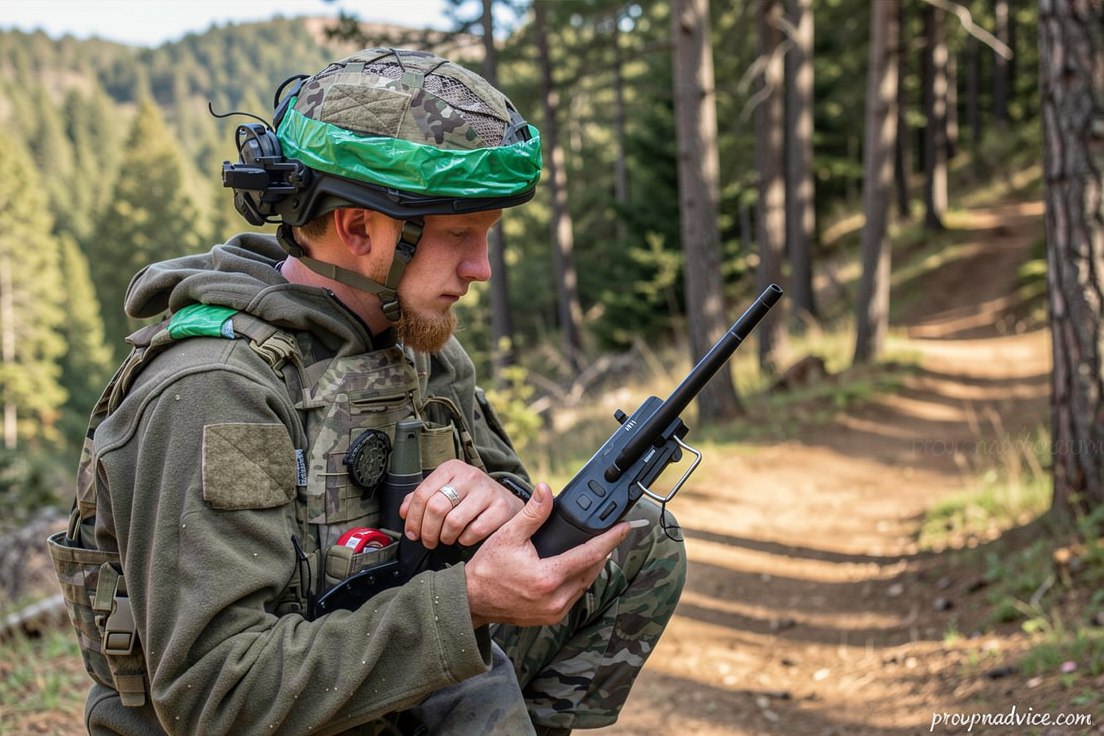
Provpnadvice.com – In a quiet corner of the Middle East, a U.S. soldier concludes his patrol, returns to his barracks, and shares with his loved ones that he’ll soon be back home. Meanwhile, an enemy intelligence officer has been monitoring his every step throughout the day, and not just him. The entire base is under scrutiny. As night falls, the analyst observes the troops gathering in the barracks, their movements meticulously mapped in real time.
A missile is launched, striking the barracks. The soldiers’ journey home is cut short, their lives altered in an instant. The analyst didn’t rely on a drone. He had no need for one. By leveraging the smartphones in soldiers’ pockets, he tracked their movements in real time—without hacking. All he needed was to purchase the data from digital marketing firms that target you with ads as you pass a supermarket, selling breakfast cereal.
This scenario is not hypothetical; it’s a real-world vulnerability that has left American troops exposed in active conflict. In April 2026, U.S. Central Command acknowledged that commercial data from smartphones was being used to target forces stationed overseas. At the time, Iranian missile and drone strikes had left numerous installations across the Gulf damaged or unusable, forcing commanders to disperse thousands of troops into hotels and offices. Despite the loss of perimeter security, each soldier still carried their phone, unwittingly broadcasting location data available for sale to anyone with a credit card.
This revelation prompted Senator Ron Wyden (D-Ore.) to lead a bipartisan effort, including Representatives Elijah Crane (R-Ariz.) and Scott Perry (R-Pa.), in sending a formal inquiry to the Defense Department’s chief information officer. The letter demanded answers and immediate action, highlighting a growing concern about the use of commercial data in warfare. The Pentagon has been warned about this exact scenario for over a decade, yet progress has been minimal.
A Decade of Warnings
More than a decade ago, an intelligence contractor named Mike Yeagley presented data to Joint Special Operations Command that reconstructed the daily routines, deployments, and personal lives of operators in a highly confidential unit. He even revealed images of their homes to commanders, all without breaking into their systems. Yeagley had simply bought the data, cheaply, from his home office in Maryland.
The same year, Strava’s public heatmap unintentionally exposed the locations of U.S. forward operating bases worldwide. By 2024, journalists had demonstrated the same vulnerability by purchasing ad data to track troops stationed in Germany, even following them to their residences. These incidents underscore a recurring issue: the lack of control over the data soldiers generate daily through their smartphones.
The Hidden Risk
The problem isn’t just that troops have GPS enabled. Modern applications compile a unique device fingerprint by aggregating hundreds of signals, creating a profile as accurate as a GPS coordinate. This precision is achieved regardless of the settings users choose, as permission toggles do little to shield their movements. There are no standard criteria for what a safe digital signature looks like, and thus no protocol to enforce one—something adversaries have been exploiting for years.
“The data our troops generate is a treasure trove for enemies. It’s not just about location; it’s about every aspect of their lives.”
Erik Prince, a former U.S. Navy SEAL officer and longtime entrepreneur, has long warned about this risk. His insights highlight how the U.S. military’s reliance on commercial data creates a critical gap in battlefield security.
An uncomfortable contrast exists between the U.S. and China. While China restricts foreign vehicles like Tesla from entering government facilities and mandates that data gathered within its borders remains there, the U.S. permits location data from soldiers’ phones to be harvested and sold on the open market. This asymmetry means an adversary that protects its own data while exploiting ours could have a clearer picture of our forces’ digital footprint than we do.
Reforming the System
Fixing this issue will require more than tweaking privacy settings. What we need are technologies that reduce the signals our forces’ devices broadcast, minimizing the data available to adversaries. Crucially, commanders in the field must have full visibility of the data their units release into the open market.
While one branch of the military-industrial complex focuses on developing advanced aircraft and space-based weapons, another segment has done little to address this threat