From Saratoga to Saratov: Every war of independence needs an ally

A New Chapter in the Struggle for Freedom: Saratov Echoes Saratoga
Provpnadvice.com – While world leaders convened in Ankara for what NATO Secretary General Mark Rutte proclaimed as a “historic” summit, the true significance of the week unfolded far from the diplomatic spotlight. Over a thousand miles to the northeast, in a Russian city largely unknown to Western audiences, Ukrainian forces delivered a devastating blow to Moscow’s war machine. The drone attack on Saratov’s oil refinery on July 8 eliminated the facility’s sole primary refining unit, compelling an immediate shutdown. This operation followed closely on the heels of a similar strike against Omsk, Russia’s most significant refining complex. Within a single night, Ukrainian forces also targeted nine tankers belonging to the shadow fleet that circumvents sanctions, alongside the Dzhankoi airbase in Crimea and Port Krym in Kerch.
The Diplomatic Theater vs. Reality on the Ground
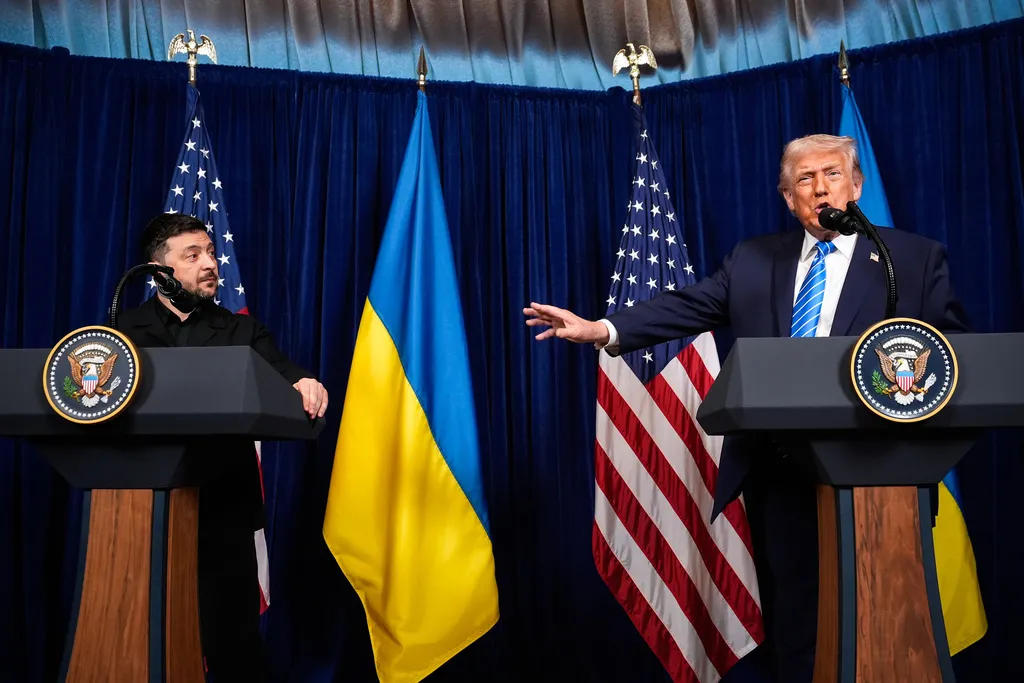
President Trump, seated beside Ukraine’s wartime president Volodymyr Zelensky in Ankara, repeatedly invoked the term “settlement.” While this language suits a negotiator’s toolkit, the headlines focused heavily on visual optics and carefully crafted messaging. Pundits would spend countless hours dissecting every utterance from the American president. Yet a more reliable indicator of current events emerged from a speech Trump delivered four days prior, commemorating two and a half centuries of American independence.
“From the beginning, we were a nation that lived by the motto victory or death and live free or die,” Trump declared. “We defeated tyrants, demolished evil, and saved freedom again and again and again.”
These words captured Ukraine’s contemporary reality with remarkable precision. Here stands a nation determined not to submit to imperial domination. A people unwilling to kneel before a violent oppressor residing in Moscow, willing to risk their lives in pursuit of liberty. Ukraine reflects America’s founding narrative back to the United States, yet Washington often turns away.
When France Chose to Stand With the Rebels
Consider an alternative historical path. In October 1777, British General John Burgoyne surrendered his complete army at Saratoga. This pivotal moment persuaded King Louis XVI of France that the American cause could triumph. American historian Edmund Morgan observed that Saratoga “was a great turning point of the war, because it won for Americans the foreign assistance which was the last element needed for victory.”
France’s economic power dwarfed that of the thirteen colonies combined by a factor of six to seven. Paris provided the vast majority of gunpowder for the patriots, dispatched military forces, and deployed a naval fleet that ultimately trapped British troops at Yorktown.
Picture France, observing the young republic’s initial decisive victory, sending a diplomatic emissary rather than warships. Imagine Versailles encouraging American leaders toward compromise with the British Crown, finding middle ground between the emerging thirteen states and their imperial ruler in London.
Independence Written and Earned
America proclaimed independence on July 4, 1776, yet for seven arduous years this freedom existed merely on parchment. True independence arrived when the imperial power abandoned efforts to crush the American Revolution. This surrender occurred because America’s crucial ally rendered victory impossible for Britain.
History repeats itself in Saratov during July 2026, mirroring events at Saratoga in October 1777. Ukraine refuses to endure Moscow’s domination any more than Americans accepted British rule. The Russian empire hemorrhages strength, evidenced by mile-long queues at fuel stations across the country.
Every historical comparison carries limitations, yet this analogy benefits Ukraine considerably. American colonists were Englishmen transplanted across an ocean. George Washington entered the world as a British subject, served the Crown during the French and Indian War, and spoke the King’s English throughout his existence.
Ukraine represents a fundamentally separate nation from Russia, possessing its own language and borders confirmed through international law and numerous treaties bearing Moscow’s signature. London fought to maintain colonial control. Russia wages war to obliterate a sovereign state and its people, with leaders openly declaring eliminationist and genocidal objectives.
Ukraine’s republican traditions run deeper than commonly understood: Pylyp Orlyk’s constitution of 1710, featuring separation of powers and social contract principles, preceded Philadelphia’s work by seventy-seven years. A further distinction exists: France arrived with soldiers and warships, shedding French blood for American freedom. Ukraine requests no comparable sacrifice. Instead, it seeks moral clarity—recognition that its struggle stands just and that the aggressor merits defeat. Ukraine demands stronger sanctions, transfer of frozen Russian assets, and sustained political and diplomatic support.