More now say AI does more harm than good: Survey

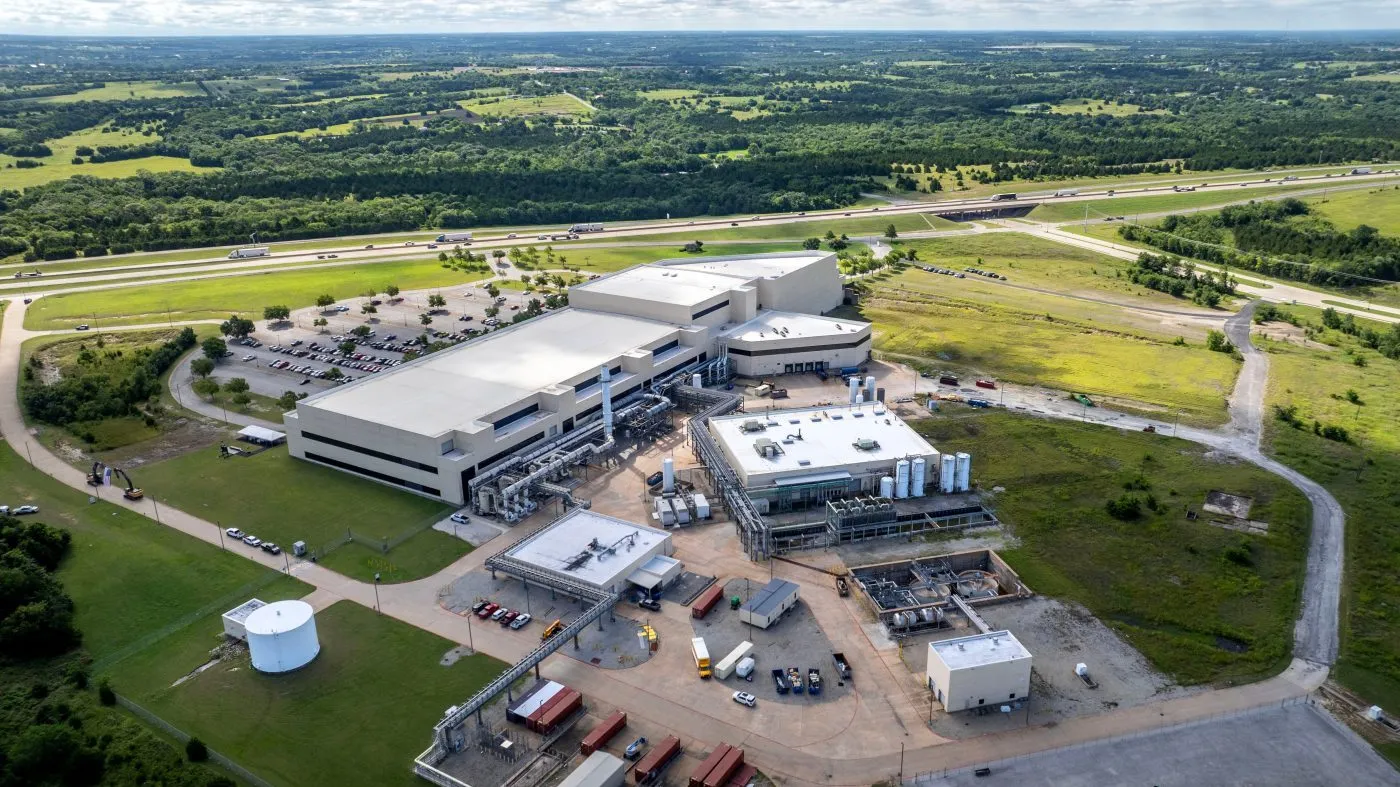
Table of Contents
More Now Say AI Does More Harm Than Good: New Survey Results
Provpnadvice.com – More now say AI does more harm than good, according to a comprehensive new survey that reveals shifting American attitudes toward artificial intelligence. As concerns continue to grow about the technology’s long-term impact on employment, privacy, and society, public opinion has turned increasingly skeptical. The latest data from a Bentley University-Gallup survey, released on Tuesday, shows that 39 percent of respondents now believe AI does more harm than good, a notable increase from the 31 percent who held this view in 2023.
When asked whether AI does more good than harm, only 9 percent of respondents answered affirmatively, down from 11 percent in 2025. This decline in optimism suggests that Americans are becoming more cautious about the rapid integration of AI into daily life and the workforce. The survey also explored public trust in corporate AI implementation, finding that 31 percent of respondents said they would not trust businesses to use artificial intelligence responsibly. While this figure is not a dramatic drop from 2023 levels, it marks the first time since the poll began that distrust increased rather than decreased.
Job Displacement Concerns Drive Skepticism
Attitudes have settled in 2026 following two years of American optimism toward the technology. This shift could be attributed to several factors, including the fact that 79 percent of respondents said they believe “AI will reduce the number of U.S. jobs over the next 10 years.” The fear of job loss appears to be a primary driver of the growing skepticism, particularly among workers in white-collar professions.
In March, Anthropic analyzed the labor displacement AI would have on the job market and found that white-collar jobs were among the highest sectors AI could theoretically perform the best in. This analysis has fueled concerns that professionals in fields such as finance, law, and consulting may face significant disruption. Still, respondents to the poll said they believe AI performs the same or worse than people when performing certain tasks, like recommending financial advice, driving a car, and advising companies on which people to hire.
“The data shows a clear pattern: Americans are no longer blindly optimistic about AI. They want safeguards, transparency, and proof that the technology will benefit workers, not replace them.”
States around the country are now slowing the growth of AI infrastructure and investigating safeguards for the technology. In New York, Gov. Kathy Hochul (D-N.Y.) passed a one-year freeze on data centers to provide time for lawmakers to put together an environmental and energy framework. This move reflects broader concerns about the environmental impact of AI infrastructure and the need for sustainable growth.
In Congress, Sen. Bernie Sanders (I-Vt.) and Rep. Alexandria Ocasio-Cortez (D-N.Y.) unveiled a bill in March called the Artificial Intelligence Data Center Moratorium Act, which aimed to bar the construction of new data centers until there are stronger national safeguards in place. The moratoriums are necessary for Sanders, who believes it will give “time to understand the risks” of AI and to “protect working families.” For more information on legislative efforts, see the original report on AI job concerns.
Frequently Asked Questions About AI Public Opinion
What percentage of Americans now believe AI does more harm than good?
According to the latest Bentley University-Gallup survey, 39 percent of respondents believe AI does more harm than good, up from 31 percent in 2023.
Why are Americans becoming more skeptical of AI?
Primary concerns include job displacement, with 79 percent of respondents believing AI will reduce U.S. jobs over the next decade, as well as questions about corporate responsibility and environmental impact.
What legislative actions are being taken regarding AI?
New York has implemented a one-year data center freeze, while Congress is considering the Artificial Intelligence Data Center Moratorium Act to establish stronger national safeguards before further AI infrastructure expansion.
Which tasks do Americans think AI performs worse than humans?
Survey respondents indicated that AI performs the same or worse than people in recommending financial advice, driving vehicles, and advising companies on hiring decisions.