Justice Department approves Paramount bid to acquire Warner Bros.

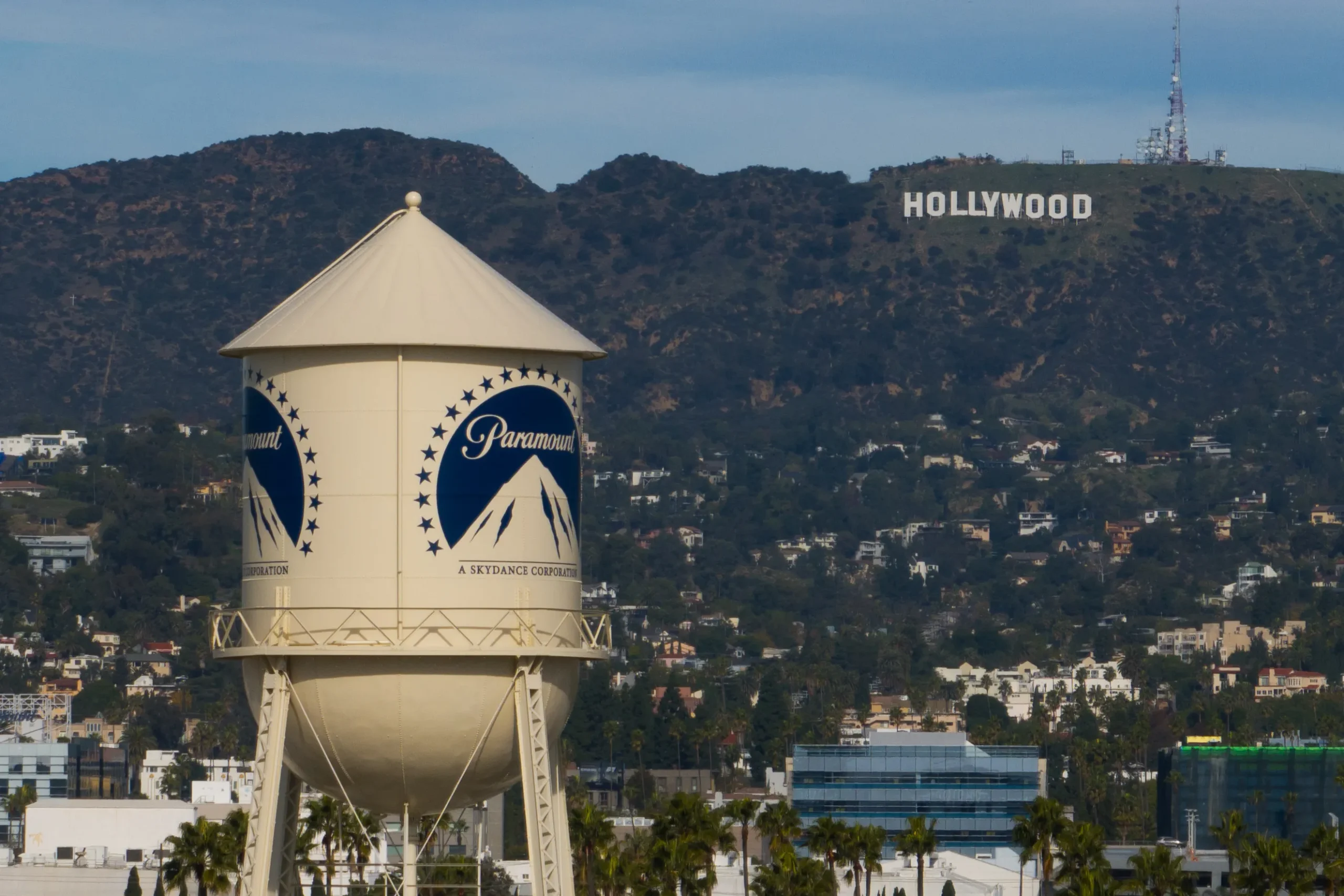
DOJ Clears Paramount’s $110 Billion Bid for Warner Bros. Discovery
Provpnadvice.com – The U.S. Department of Justice (DOJ) has given the green light to Paramount’s proposed $110 billion acquisition of Warner Bros. Discovery, according to the DOJ’s Antitrust Division. This decision removes a major obstacle for the merger, which aims to unite two of the entertainment sector’s leading players. The approval comes after a comprehensive evaluation of the transaction’s impact on market competition and consumer welfare.
DOJ Analysis and Statement
The DOJ’s Antitrust Division concluded that the merger would not threaten competition or consumer interests, stating that it would instead enhance market dynamics. In a statement released Friday, officials highlighted that the extensive investigation into the deal suggested it would foster greater competition across the media and entertainment industries. “The findings indicate that the transaction will lead to competitive benefits for American consumers and workers,” the statement emphasized.
“The Division’s review of the extensive investigatory record shows that the merger will boost competition in the media and entertainment ecosystem, offering advantages to both audiences and creators,” the DOJ wrote.
The evaluation process spanned several months, during which the Antitrust Division scrutinized the potential effects on key areas such as on-demand streaming, traditional television services, and the production and distribution of films. Officials noted that the merger would not create a dominant monopoly but instead create a more competitive landscape by combining Paramount’s strengths with Warner Bros. Discovery’s assets.
Merger Background and Netflix’s Withdrawal
In December, Paramount launched a hostile takeover bid for Warner Bros., challenging a previously announced $72 billion deal between Netflix and the studio. The move was driven by Paramount’s desire to secure Warner Bros.’ entertainment assets at a more favorable price, as well as to expand its influence in the streaming and content production sectors. The board of directors of Warner Bros. ultimately endorsed Paramount’s offer, which included a cash payment of $30 per share, deeming it “superior” to Netflix’s proposal.
Netflix had initially agreed to purchase the studio’s assets for $72 billion, but the deal collapsed in February after the Warner Bros. board expressed preference for Paramount’s bid. The shift in sentiment reflected concerns over the long-term strategic value of the merger, particularly in a market where content creators and streaming platforms are vying for dominance. Paramount’s aggressive acquisition strategy has been seen as a direct attempt to outmaneuver competitors and consolidate control over key media properties.
Industry Opposition and Concerns
Despite the DOJ’s approval, the merger has faced criticism from prominent figures in Hollywood. A group of over 1,000 industry professionals, including actors, directors, and producers, signed an open letter in late April to voice their opposition. They argued that the deal would further centralize power in the media landscape, reducing opportunities for independent creators and limiting choices for consumers.
“This sale will lead to fewer opportunities for creators, fewer jobs in the production sector, higher costs, and less variety for audiences both domestically and internationally,” the letter stated.
The critics warned that the merger could create a media giant with unprecedented control over content distribution, potentially stifling innovation and giving it an unfair advantage over smaller competitors. They emphasized that the entertainment industry is at a critical juncture, where consolidation threatens to undermine the diversity of voices and the competitive environment that has driven progress in recent years.
Paramount’s Position and Next Steps
A Paramount representative expressed satisfaction with the DOJ’s decision, stating that the transaction is “pro-competitive” and will strengthen the company’s ability to challenge dominant tech platforms. “This deal positions Paramount as a more formidable player in an industry where competition for audiences, talent, and investment is fiercer than ever,” the spokesperson added.
“We remain committed to finalizing the transaction promptly and ensuring its benefits are realized by consumers, creators, and the broader entertainment sector,” the statement concluded.
Paramount’s ownership by Larry and David Ellison, co-founders of the Ellison family’s investment firm, has also drawn attention. Their financial backing and strategic vision have been central to the company’s push for the merger, which they see as a way to expand their reach and solidify their position in the evolving media landscape. The deal is expected to close by the end of the year, subject to final approvals from other regulatory bodies.
Senator Elizabeth Warren’s Criticism
Senator Elizabeth Warren (D-Mass.) swiftly responded to the DOJ’s approval, criticizing the decision as a setback for consumer rights. On social media platform X, she called the merger a “clear example of corruption and influence-peddling” by Trump-aligned billionaires. “This deal threatens to give a handful of wealthy individuals unchecked power over what people watch and how much they pay,” she wrote.
Warren’s remarks underscored broader concerns about the concentration of media ownership in the hands of a few corporate entities. She argued that the merger would allow Paramount to leverage its combined resources to dominate the market, potentially stifling innovation and driving up prices for consumers. Her call for state attorneys general to intervene highlights the growing political debate surrounding the deal and its implications for media freedom and competition.
The approval of the Paramount-Warner Bros. merger marks a significant milestone in the consolidation of the entertainment industry. While proponents highlight its potential to create a more dynamic and competitive media ecosystem, opponents warn of the risks of further centralization. The deal now moves forward with the anticipation of delivering long-term benefits to the industry, though questions about its impact on creators and consumers will likely persist.
News Timeline and Industry Reactions
The news of the DOJ’s approval was first reported by Politico, which highlighted the deal’s significance in the broader context of media mergers. The merger has sparked a mix of reactions, with some industry analysts praising the deal for its strategic advantages, while others express caution about its long-term consequences. As the final stages of the transaction unfold, the entertainment sector will be watching closely to see how the combined entity shapes the future of content creation and distribution.
With the DOJ’s clearance, Paramount can proceed with finalizing the acquisition, which is anticipated to reshape the global entertainment landscape. The deal represents not just a financial union but also a strategic realignment of power within the industry, raising important questions about competition, innovation, and the role of regulatory oversight in mergers of this scale.