Bipartisan bill barring U.S. purchase of Russian oil on the horizon: Fitzpatrick

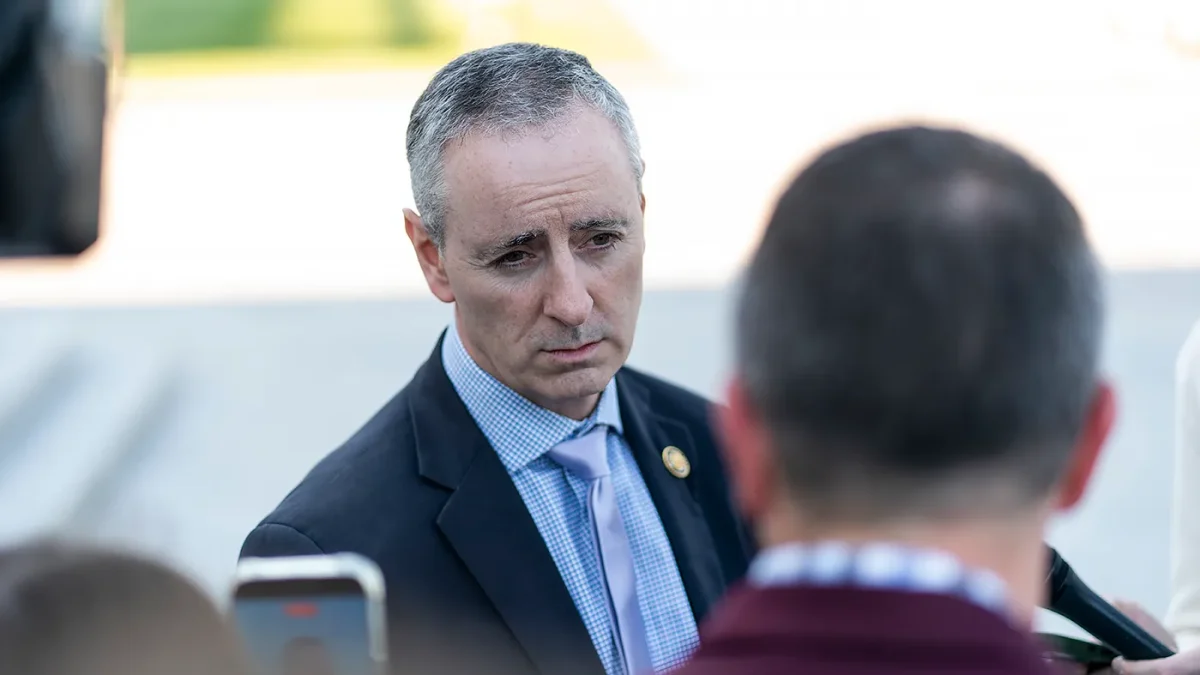
Table of Contents
Fitzpatrick Plans Bipartisan Push to Prevent Russian Oil Purchases
Provpnadvice.com – Rep. Brian Fitzpatrick of Pennsylvania says he is preparing legislation intended to stop President Trump from easing restrictions on Russian oil, setting up a new congressional fight over energy supplies, fuel prices and the United States’ response to Moscow’s war against Ukraine.
The Republican lawmaker announced Saturday that the measure would be bipartisan and would prohibit purchases of Russian oil. Fitzpatrick said the proposal will carry the title “Ronald Reagan Peace Through Strength Act,” invoking the former president’s long-standing emphasis on confronting U.S. adversaries through military and economic resolve.
“We will be introducing bipartisan legislation to block any and all purchases of Russian oil. It will be called the ‘Ronald Reagan Peace Through Strength Act,’” Fitzpatrick wrote on social media.
Fitzpatrick did not identify Democratic lawmakers who would join as original sponsors. Still, he said he plans to seek a vote through a discharge petition, a House procedure that can bring legislation to the floor even when party leaders have not scheduled it. He predicted the proposal would receive overwhelming support if members are allowed to vote on it.
Rep. Don Bacon, a Nebraska Republican, publicly backed the effort and said he had agreed to sign on as an original co-sponsor.
“Congress must make a stand,” Bacon wrote.
Oil Agreement Draws Congressional Resistance
The legislative response follows an agreement announced Friday that permits Russia to supply 300,000 tons of diesel to the United States and the wider global market. The arrangement comes during a period of fuel shortages, placing pressure on policymakers weighing energy availability against sanctions designed to isolate Russia economically.
Russian President Vladimir Putin indicated that Moscow was prepared to provide oil and petroleum products to American and global markets. Russian state media relayed Putin’s statement on the potential supplies.
The dispute illustrates the difficult policy balance created when energy markets tighten. Restrictions on Russian petroleum are meant to limit revenue available to the Russian government, while additional fuel supplies can affect prices and availability for consumers and businesses. Fitzpatrick’s proposed bill would seek to remove presidential discretion to resume Russian oil purchases, at least through the authority described by the legislation.
Criticism of the agreement has not been limited to Republicans. Rep. Gabe Amo, a Rhode Island Democrat and member of the House Foreign Affairs Committee, argued that purchasing Russian oil conflicts with efforts to increase economic pressure on Putin.
“After signing a law to ramp up sanctions on Russia, Trump is paying Putin for oil to deal with the high gas prices caused by his choice of war with Iran? That’s not punishing Putin, that’s profit,” Amo wrote, later adding, “Make it make sense.”
Ukraine Warns of Broader Consequences
Ukrainian President Volodymyr Zelensky also objected to the arrangement. Speaking Saturday, he warned that the deal could send Moscow the message that it could continue its attacks on Ukraine without facing sufficient consequences.
Trump rejected that assessment while speaking with reporters outside the White House. He argued that Zelensky had multiple opportunities to end the conflict and had not taken them.
“Could have settled this war many times,” Trump said of Zelensky, adding that he “chose not to.”
The president went on to suggest that Ukraine should choose different leadership capable of reaching an agreement.
“I suggest they get a new leader who can make a deal,” Trump said.
The competing statements underscore how energy policy has become intertwined with the broader debate over diplomacy, military pressure and the course of the war. Supporters of a complete prohibition on Russian oil purchases contend that allowing imports weakens the leverage created by sanctions. Critics of rigid restrictions may point to the immediate challenge of ensuring adequate fuel supplies during periods of market disruption.
Existing Law Includes Limited Exceptions
Congress previously acted on Russian oil imports in 2022, when lawmakers approved a measure barring imports of Russian oil and authorizing further sanctions. That law, however, included narrowly defined exceptions. The president could permit energy that had already been purchased before the legislation took effect, and imports could also be allowed when deemed to serve the national interest.
Those exceptions matter in the current dispute because they leave room for executive action under specific circumstances. Fitzpatrick’s proposed measure appears aimed at preventing such flexibility from being used to authorize renewed purchases of Russian petroleum.
A discharge petition would require substantial support in the House before it could bypass the normal committee and leadership process. Fitzpatrick’s confidence that the bill could pass reflects the longstanding bipartisan concern in Congress over Russia’s conduct and the use of energy revenue as a source of national power.
Whether the proposal advances will depend on the number of lawmakers willing to challenge the administration’s fuel-supply strategy and whether bipartisan support develops beyond the initial public endorsements. For now, the planned legislation places Congress at the center of a debate over whether addressing shortages should include Russian diesel and oil, or whether the United States should maintain a firm barrier against those purchases.
Related Reading
Frequently Asked Questions
What is Bipartisan bill barring U S purchase?
Bipartisan bill barring U S purchase is the main topic of this guide. The article explains the context, practical details, and next steps readers should understand.
Why does Bipartisan bill barring U S purchase matter?
Bipartisan bill barring U S purchase matters because readers are looking for a useful answer, not just a short summary. Good content should match search intent and help them decide what to do next.