US sanctions global court as judge awarded Nobel Peace Prize

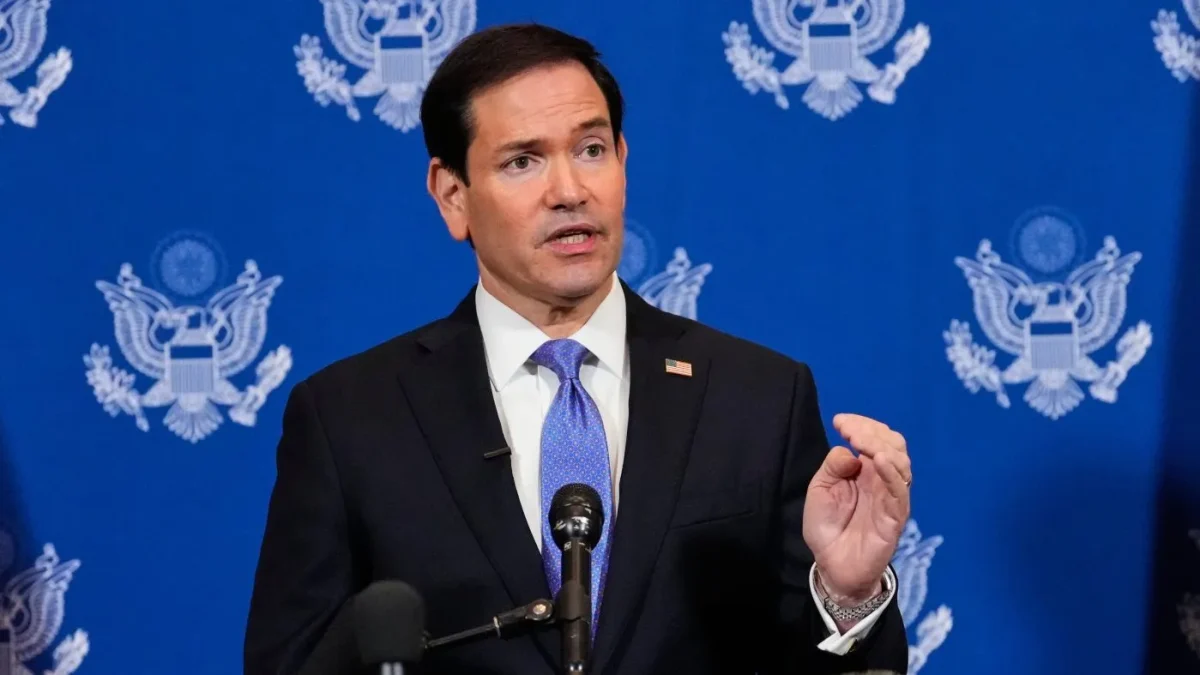
Table of Contents
Washington Imposes Full Sanctions on International Criminal Court
Provpnadvice.com – The United States has moved to fully sanction the International Criminal Court, intensifying a long-running dispute over the court’s efforts to pursue alleged war crimes involving Israel, U.S. personnel and the Trump administration. Secretary of State Marco Rubio announced the measures Friday, describing the Hague-based institution as a threat to American sovereignty.
The decision creates sweeping restrictions on dealings between the court and Americans or U.S.-based businesses. Banking services, technology transfers, commercial arrangements and professional work involving the ICC could now expose participants to penalties. The sanctions also permit the U.S. government to block or seize ICC property and interests located in the country or controlled by U.S. persons.
“We will ban transactions with this rogue court, cutting off their resources and crippling their ability to operate against us,” Rubio said.
Rubio said Washington’s position was that neither the United States nor its citizens fall under the authority of the ICC. In a video address, he criticized what he called “globalist experts an ocean away,” arguing that they sought expanded power at the cost of national independence.
“Because our message is clear: the United States and the American people are not subject to the jurisdiction of this fake ICC.”
Six-Month Wind-Down Period
While the sanctions take effect broadly, the Treasury Department is providing a six-month general license intended to allow affected individuals and organizations to conclude existing transactions. The 180-day authorization covers limited operational maintenance, certain cloud and software services, pension-plan matters and specified activities connected to ICC detainees.
That temporary license reflects the practical reach of the action. International institutions depend on routine financial, technological and professional services, and the restrictions could complicate ordinary operational needs where those services involve U.S. companies, American citizens or assets under American control.
Rubio urged countries that belong to the court to take a similar position. ICC member states joined the Rome Statute, the treaty that created the tribunal and set out its jurisdiction.
“Either the ICC will end its threats, or we will end the ICC,” he said. “We expect our allies, many of whom are part of the ICC and that rely on American service members for their defense, to rein in this rogue court.”
Sanctions Announced Alongside Nobel Recognition
The announcement arrived on the same day that former ICC judge Navanethem “Navi” Pillay received the Nobel Peace Prize. Pillay was honored for helping broaden the scope and influence of international law. She recently led a United Nations report that found Israel had committed genocide in Gaza.
The timing underscored the sharply different views surrounding international accountability institutions. Supporters of the ICC see it as a forum for pursuing cases when national legal systems cannot or will not act. U.S. officials and lawmakers, however, have repeatedly challenged any effort by the court to assert authority over Americans or citizens of countries outside its membership.
Pressure Campaign Began Earlier This Year
The latest action follows Rubio’s July declaration that the United States would dismantle the court “brick by brick” through sanctions, visa restrictions and diplomatic pressure on countries participating in the Rome Statute system.
At least five countries have left the ICC since the United States began making those demands. Burkina Faso, Chad, Mali and Niger have each experienced military coups and have faced scrutiny over human rights conditions or court-related concerns. Venezuela said in July that it would withdraw after former President Donald Trump seized the country’s authoritarian leader, Nicolás Maduro, leaving Venezuela under effective U.S. control.
The United States has never joined the ICC. Members of both major political parties have argued that the tribunal lacks authority to investigate allegations concerning U.S. conduct. The divide has generally centered less on the idea of war-crimes accountability than on whether an international body can investigate nationals of states that did not accept its jurisdiction.
Democratic administrations have at times supported the court’s role in pursuing accountability in countries with weak domestic justice systems, while resisting investigations involving the United States and Israel. Former President Joe Biden rescinded sanctions imposed on the court during Trump’s earlier term. The ICC subsequently placed less emphasis on examining alleged conduct by American personnel in Afghanistan.
Even so, Biden strongly objected when the court issued an arrest warrant for Israeli Prime Minister Benjamin Netanyahu, calling that action “outrageous.” The episode illustrated the bipartisan resistance in Washington to ICC investigations affecting Israel, a close U.S. ally, and American citizens.
Legal and Diplomatic Consequences Remain Uncertain
Trump signed an executive order in February 2025 authorizing sanctions against the court. The order accused the ICC of taking “illegitimate and baseless actions targeting America and our close ally Israel.” Since then, the administration has sanctioned more than a dozen people and nongovernmental organizations connected with the court. Those earlier measures are currently being contested in U.S. courts.
Friday’s broader sanctions raise the stakes for the ICC’s ability to obtain services tied to the American financial and technology sectors. They also deepen the diplomatic split between Washington and governments that support the Rome Statute framework. Whether allied states follow Rubio’s call may shape how severely the measures affect the court’s operations in the months ahead.
Related Reading
Frequently Asked Questions
What is US sanctions global court as judge?
US sanctions global court as judge is the main topic of this guide. The article explains the context, practical details, and next steps readers should understand.
Why does US sanctions global court as judge matter?
US sanctions global court as judge matters because readers are looking for a useful answer, not just a short summary. Good content should match search intent and help them decide what to do next.