Lawmakers concerned over Google’s plan to acquire AI models from Spirit Airlines data

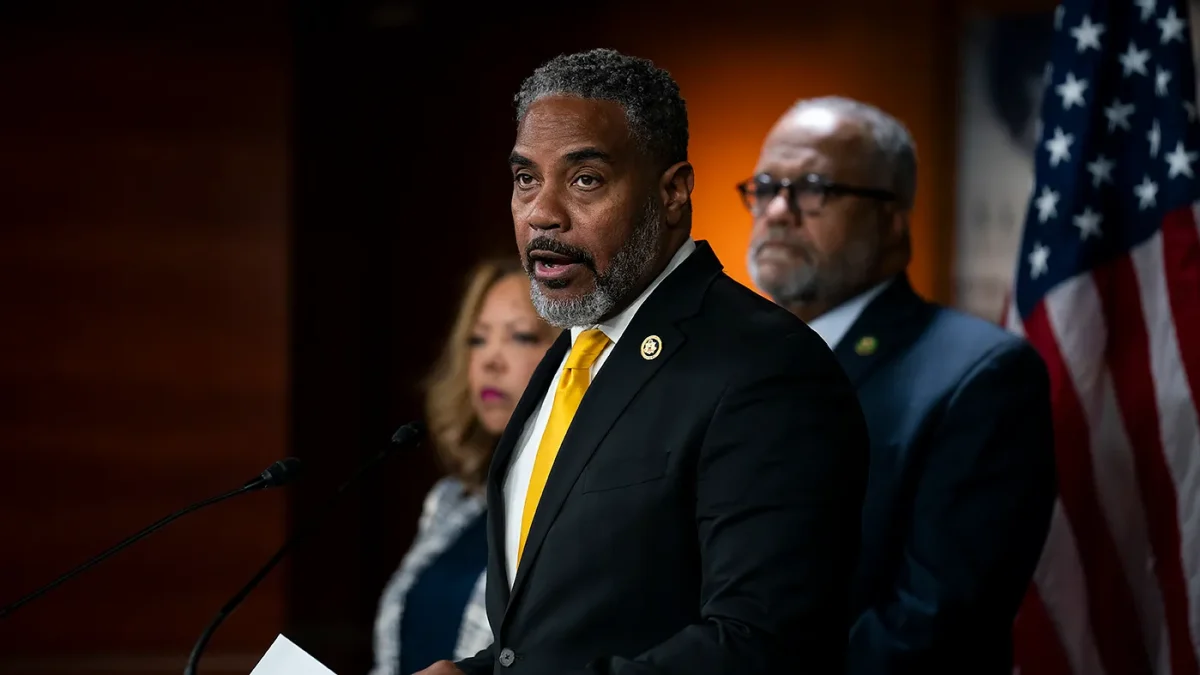
Table of Contents
Congressional Group Questions Proposed Spirit Airlines Data Sale to Google
Provpnadvice.com – A proposed transaction involving Spirit Airlines’ internal records and Google’s artificial intelligence development has drawn concern from a large bipartisan group in Congress, which is urging both companies to put stronger worker privacy protections in place before any information changes hands.
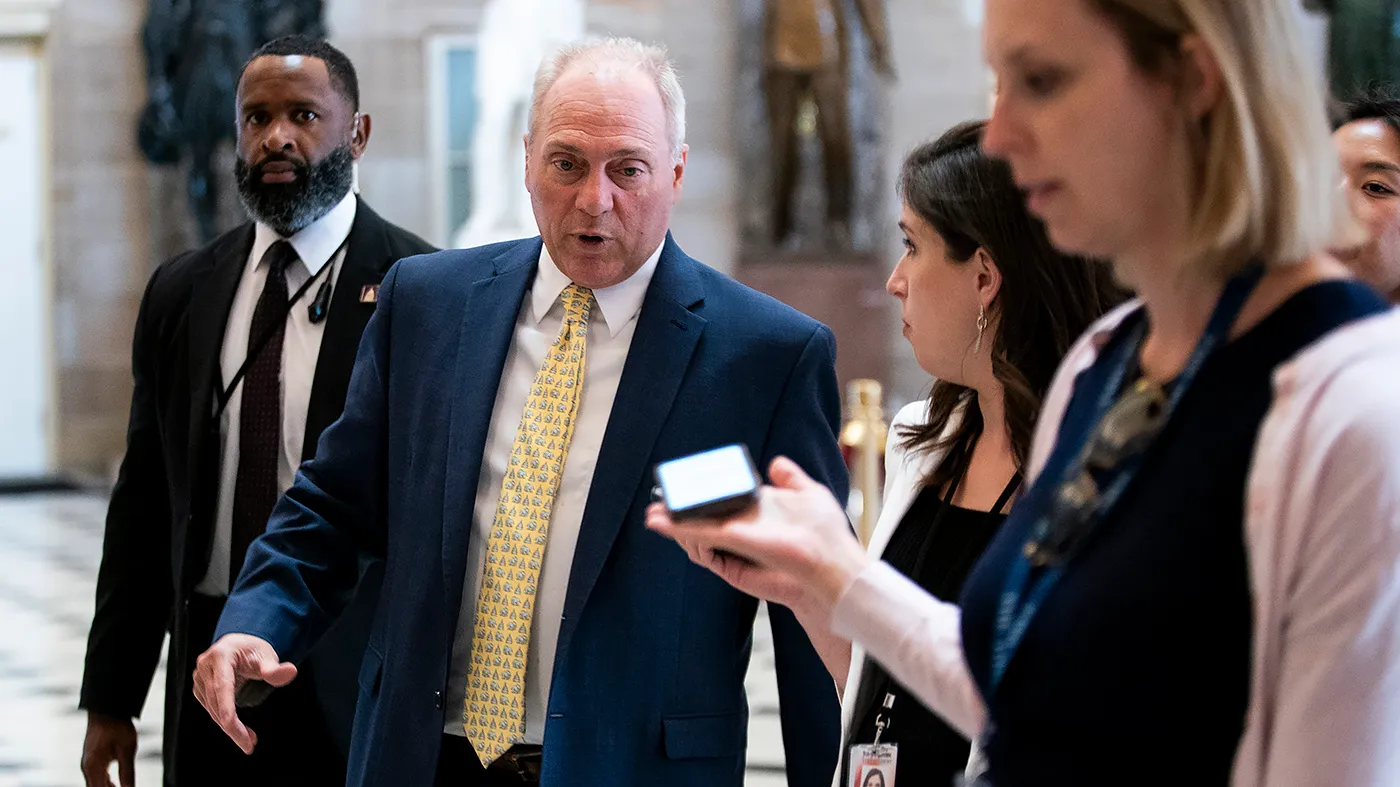
Rep. Steven Horsford, a Nevada Democrat, and Sen. Elizabeth Warren, a Massachusetts Democrat, led 119 lawmakers from the House and Senate in sending a letter to Google Chief Executive Sundar Pichai and Spirit Airlines Chief Executive Dave Davis. The lawmakers focused on a reported $10 million plan involving Spirit data that could be used to train AI systems.
The central issue is not simply the volume of corporate data involved, but whether existing privacy measures can adequately protect current and former airline employees when advanced AI tools are capable of analyzing and connecting information at enormous scale.
Concerns Over the Scope of Company Records
Lawmakers described the proposed sale as largely unexplored territory because of the breadth of the material potentially involved. They said the records could include roughly 100 million emails, 500 million Microsoft Teams messages, personnel files, timekeeping documents, payroll and tax data, and employment agreements.
Such records can contain operational details that businesses routinely retain, but they may also include sensitive employee information. The congressional group warned that removing obvious identifiers may not, by itself, be enough to prevent people from being identified again once data is processed alongside other information.
“We are concerned that conventional de-identification safeguards may not be sufficient to protect employee privacy in the context of modern artificial intelligence,” the lawmakers wrote.
In their letter, the lawmakers pointed to National Institute of Standards and Technology findings indicating that supposedly anonymous data may sometimes be re-identified through AI-assisted analysis. That risk has become more prominent as companies develop models designed to detect patterns across very large collections of text and records.
For workers, the question is practical as well as technical: whether workplace communications, compensation information, schedules, contracts, or personnel records could remain protected if they are included in data collections prepared for AI development. The lawmakers argued that enforceable safeguards should be established before a transfer occurs.
Google Says Personal Information Is Not Part of Its Goal
Google has said it does not intend to purchase personal information from Spirit Airlines. A person familiar with the matter said Google received the lawmakers’ letter and does not want personally identifiable material, adding that any information provided would undergo rigorous de-identification by an independent third party.
“As we’ve said from the beginning of the process, we are not looking to buy any personal information from Spirit,” a Google spokesperson said.
“The information will either be completely excluded or will be deidentified by an independent third party before Google receives any data. We’re already working constructively with the appointed privacy ombudsman,” the spokesperson added.
The distinction matters because data can be useful for technology research even when direct identifiers are removed. Yet congressional critics contend that the safeguards must account for the possibility that a combination of details, rather than a single name or employee number, could reveal someone’s identity.
The lawmakers requested six steps from Google and Spirit Airlines. Their recommendations included excluding employee information whenever possible, creating a de-identification approach acceptable to affected employees, and ensuring that sensitive worker information remains protected through the de-identification process.
Workers’ Privacy at the Center of the Debate
Horsford emphasized that technological progress should not require employees to surrender privacy protections.
“Innovation cannot come at the expense of workers’ privacy, and no employee data should move until real, enforceable safeguards are in place,” Horsford said in a Thursday press release.
The dispute reflects a broader debate over how major technology companies obtain and use data for AI training. Powerful models often require huge amounts of information to improve their ability to analyze language, summarize material, identify patterns, and respond to users. That demand has intensified questions about consent, confidentiality, and the limits of data that was originally collected for a very different purpose.
Employee records create a particularly sensitive category because workers may have provided information as part of their jobs, not with the expectation that it could later contribute to the development of commercial AI systems. The congressional letter seeks to establish clearer boundaries at a moment when many organizations are still defining their own rules for generative AI and data handling.
A Wider Scrutiny of AI Development
Google is among several leading technology companies facing greater public and political attention over AI safety and governance. OpenAI, SpaceXAI, Anthropic, and Google were invited to the White House last week, where company leaders agreed to a voluntary pledge to police aspects of AI development.
After that pledge was announced, Pichai described Google’s approach as one centered on testing, evaluation, red-teaming, and safeguards against misuse and misalignment before releasing models or products.
“Google’s focused on building the right way, with appropriate testing, evaluations, red-teaming, and other safeguards against misuse and misalignment – and releasing models or products only after they’ve been thoroughly reviewed,” Pichai wrote on social media.
Google has also faced internal criticism related to government uses of AI. In April, a Pentagon official said the company had reached an agreement to provide its AI models for any lawful governmental purpose. Some employees objected, arguing that their closeness to the technology gave them a responsibility to call attention to and prevent its most dangerous or unethical applications.
The proposed Spirit Airlines data arrangement adds a new dimension to those debates. It places the focus on whether workplace data can be transformed into AI training material without compromising the privacy, confidence, and rights of the people whose information helped create it.
Related Reading
Frequently Asked Questions
What is Lawmakers concerned over Google s plan?
Lawmakers concerned over Google s plan is the main topic of this guide. The article explains the context, practical details, and next steps readers should understand.
Why does Lawmakers concerned over Google s plan matter?
Lawmakers concerned over Google s plan matters because readers are looking for a useful answer, not just a short summary. Good content should match search intent and help them decide what to do next.