Trump vows response against Iran after downing of US helicopter

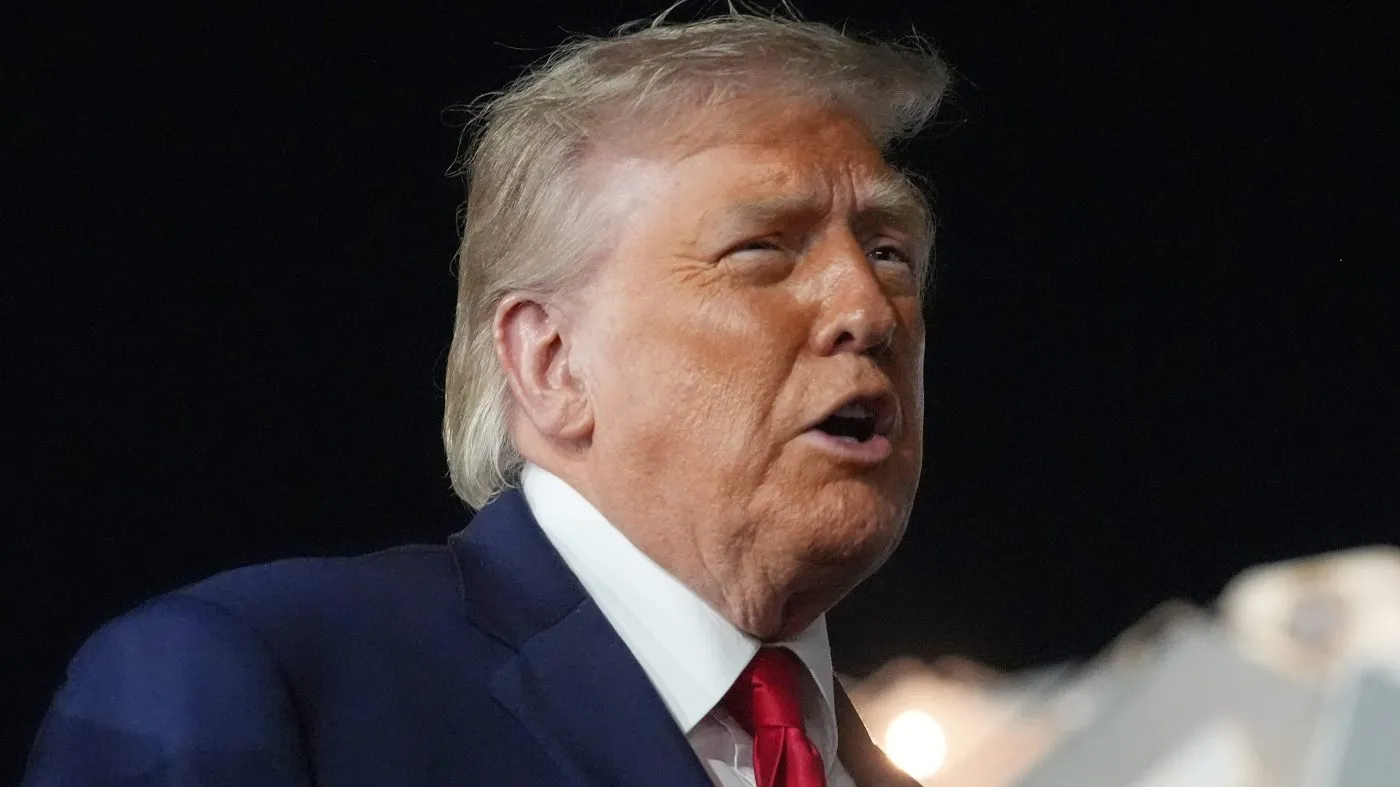
Trump Signals Military Retaliation After Iranian Attack on US Helicopter
Provpnadvice.com – On Tuesday, President Donald J. Trump announced his intention to take action against Iran following the downing of an American Apache helicopter during a nighttime operation. The incident, which occurred near the strategic Strait of Hormuz, has intensified the already volatile relationship between the United States and Iran, despite earlier efforts to de-escalate tensions through a ceasefire agreement.
Details of the Incident
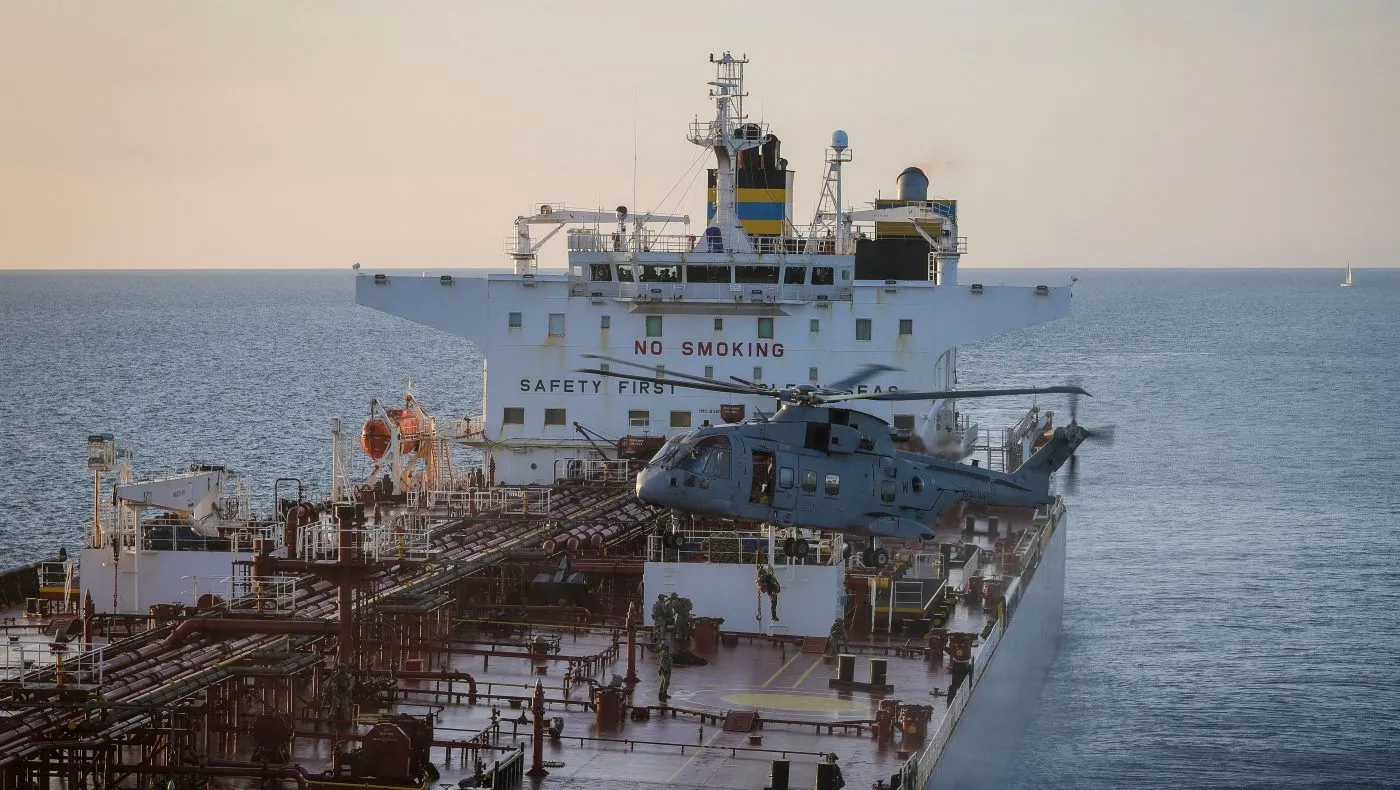
According to U.S. Central Command, the AH-64 Apache helicopter was lost on Monday evening while conducting patrol duties over the waters adjacent to Oman. The aircraft, part of a broader military presence in the region, was reportedly targeted by Iranian forces. Two crew members were swiftly recovered by American forces within a two-hour window, with both pilots described as being in stable condition. The attack, which marks a significant escalation, has raised concerns about the stability of the ceasefire and the potential for renewed hostilities.
“I have just been informed by our Great Military that last night the Iranians shot down one of our highly sophisticated Apache Helicopters while patrolling over the Strait of Hormuz,” Trump stated on his social media platform, Truth Social. “There were two pilots involved, both are safe and uninjured. Nevertheless, the United States must, of necessity, respond to this attack. Thank you for your attention to this matter! President DONALD J. TRUMP.”
The incident has come as a sharp reminder of the ongoing tensions between the two nations, with Iran frequently challenging U.S. operations in the region. The Strait of Hormuz, a critical maritime chokepoint, has been a focal point of recent confrontations, particularly after Iran effectively closed the waterway in response to attacks by the United States and Israel in late February. This move disrupted global oil supplies and triggered a spike in prices, underscoring the strategic importance of the area.
Iran’s Diplomatic and Military Posturing
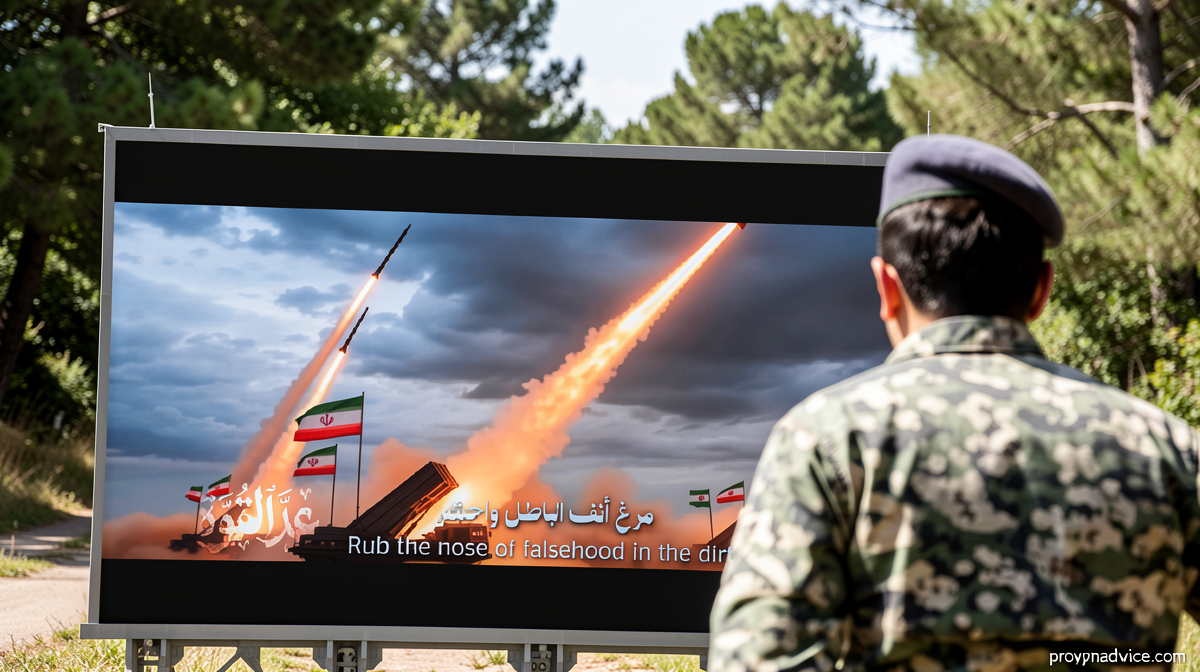
In the wake of the attack, Iran’s Parliament speaker, Mohammad-Bagher Ghalibaf, issued a veiled warning on social media, emphasizing the nation’s readiness to escalate the conflict. His message, posted on X, highlighted Iran’s dual approach to communication, blending diplomatic language with a clear military threat.
“We prefer the language of diplomacy, but we speak other languages far more fluently. Break your commitments, and we’ll switch to what we speak best. You ride the horse you saddled!” Ghalibaf’s statement carried an implicit message of deterrence, suggesting that Iran would not hesitate to respond with force if the U.S. continued its aggressive posture.
Iran’s Foreign Minister, Seyed Abbas Araghchi, further reinforced this stance, warning that the presence of foreign forces near Iranian territory posed an inherent risk. His remarks, also shared on X, underscored the potential for accidental or intentional confrontations.
“Foreign forces in proximity to our territory are at constant risk on account of their own human errors, plain accidents, or potentially being caught in crossfire,” Araghchi wrote. “To reduce risk, best solution is for them to leave. We prefer language of diplomacy but speak other languages too.”
These statements reflect a broader strategy by Iran to assert its dominance and deter further U.S. involvement in the region. While the country has engaged in diplomatic discussions, its military actions suggest a willingness to use force if negotiations stall or if perceived threats persist.
The Ceasefire and Trump’s Ambitions
Despite the recent attack, Trump has indicated that a deal to end hostilities with Iran could be finalized within days. The president, known for his preference for swift resolutions, has consistently pushed for a rapid end to the conflict, even as it has surpassed the 100-day milestone.
Trump’s comments last week revealed his condition for maintaining the ceasefire: if Tehran killed any American troops, the agreement would be abandoned. This statement highlights his determination to prevent further losses while simultaneously keeping the door open for diplomatic engagement. The goal, as he has outlined, is to reopen the Strait of Hormuz, a move that would restore critical oil flow and stabilize global markets.
The broader objective of the negotiations is to reach an agreement on Iran’s nuclear program. The Trump administration has sought to address concerns over Iran’s enrichment capabilities, which Israel and the U.S. view as a potential pathway to nuclear weapon development. Iran, however, maintains that its nuclear activities are solely for peaceful purposes, such as energy production and medical research.
The episode adds to a pattern of military exchanges between the two nations, with each side accused of provocative actions. The U.S. has launched airstrikes targeting Iranian assets, while Iran has responded with missile attacks and drone strikes. This cycle of retaliation has kept the region on high alert, even as officials from both sides attempt to balance aggression with diplomacy.
Strategic Implications and Expert Analysis
Experts analyzing the situation note that Trump’s willingness to pivot between military and diplomatic approaches reflects a calculated strategy. By framing the attack as a necessary catalyst for action, he aims to rally public and political support for a more assertive stance without fully committing to open warfare.
The president’s focus on the Strait of Hormuz underscores its strategic significance. By reopening the waterway, the U.S. hopes to counter Iran’s influence over global energy prices and ensure the free movement of oil shipments. This move would also align with broader economic goals, including maintaining stability in international markets.
Meanwhile, the nuclear program remains a central point of contention. Iran’s enrichment activities, particularly its development of advanced centrifuges, have been a major source of concern for the U.S. and its allies. The Trump administration has emphasized the need for Iran to limit its nuclear capabilities, while Iran insists that its right to enrich uranium is non-negotiable.
Analysts argue that Trump’s approach to the conflict is characterized by a blend of pragmatism and unpredictability. While he has expressed eagerness to reach a deal, his rhetoric often signals a readiness to escalate tensions. This duality has kept the situation in flux, with both nations carefully weighing their options.
The attack on the Apache helicopter serves as a pivotal moment in the ongoing standoff. It has forced both sides to reassess their positions, with the U.S. seeking to demonstrate its resolve and Iran vowing to protect its interests. As the talks continue, the question remains whether this incident will lead to a lasting agreement or further deepen the rift between the two nations.
International observers have noted that the U.S. and Iran are locked in a delicate dance of threats and concessions. The recent exchange highlights the complexity of their relationship, where military action is often accompanied by diplomatic overtures. As the standoff evolves, the world watches closely to see how the two powers navigate their competing priorities and whether a resolution is on the horizon.