Pence denies that Iran war hurting Ukraine by depleting US stockpiles

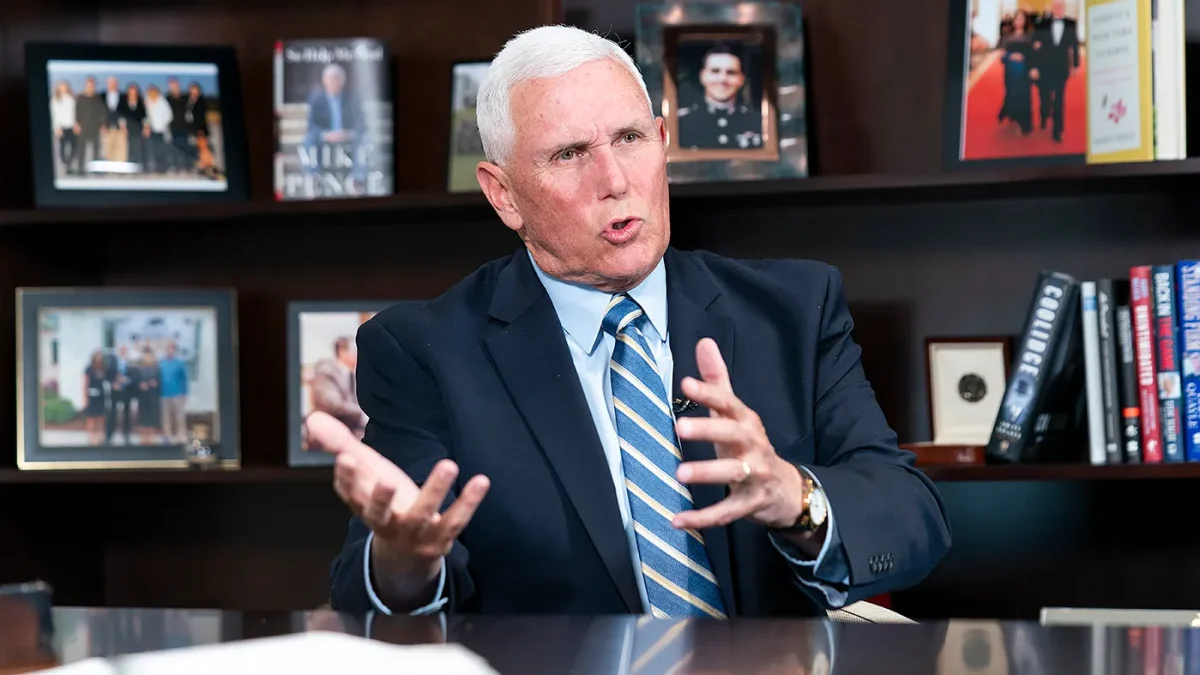
Table of Contents
Pence in Kyiv: Iran Conflict Has Not Weakened Ukraine’s Defensive Posture, Former VP Insists
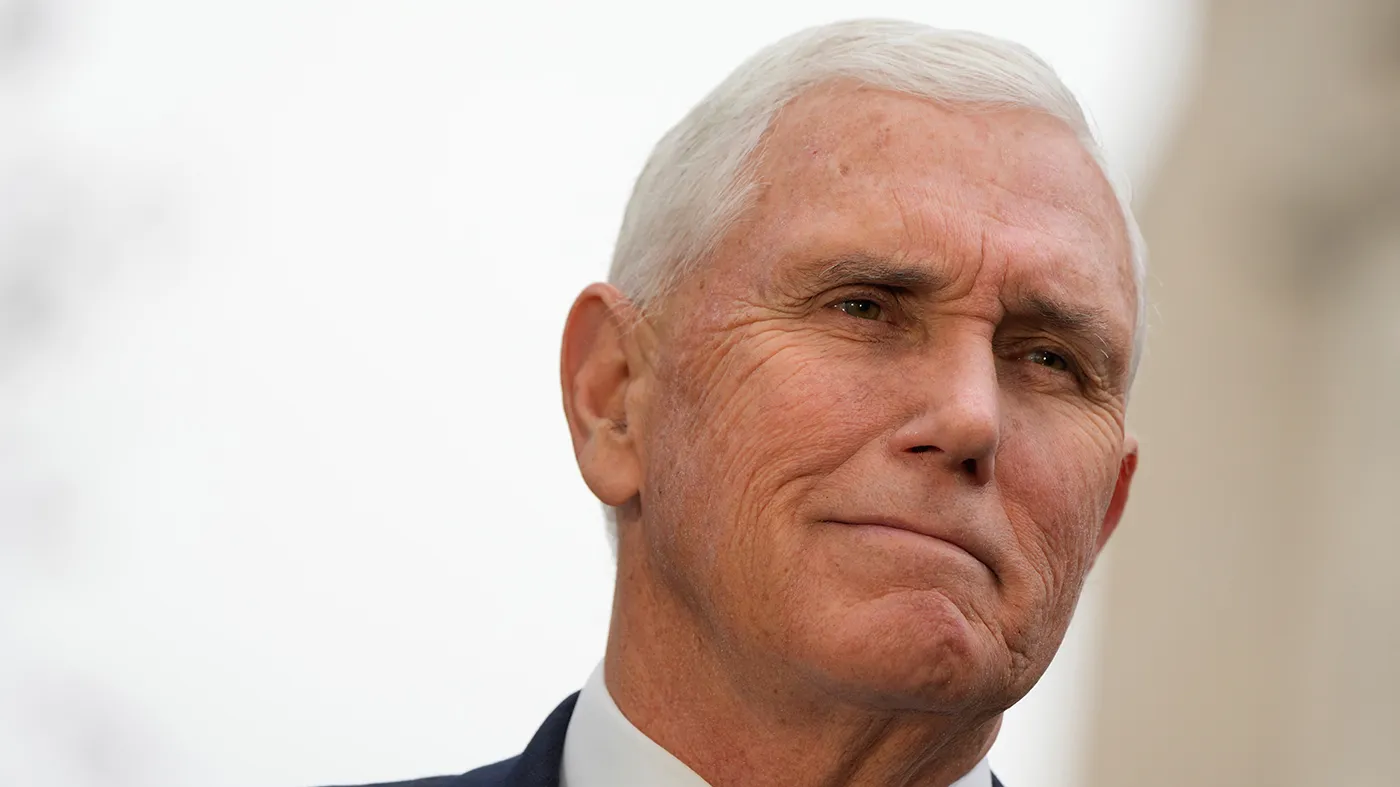
Provpnadvice.com – Standing in the Ukrainian capital amid ongoing Russian bombardment, former Vice President Mike Pence pushed back on a growing concern among Western defense analysts: that America’s deep engagement in the Iran war has drained critical missile-interceptor stockpiles at the expense of Kyiv’s ability to defend its cities. Speaking on Sunday from Kyiv, Pence dismissed the notion that the two conflicts are in direct competition for U.S. hardware.
“I don’t see it that way, and I don’t think… the Ukrainians do either,” Pence told host Dana Bash on CNN’s “State of the Union.”
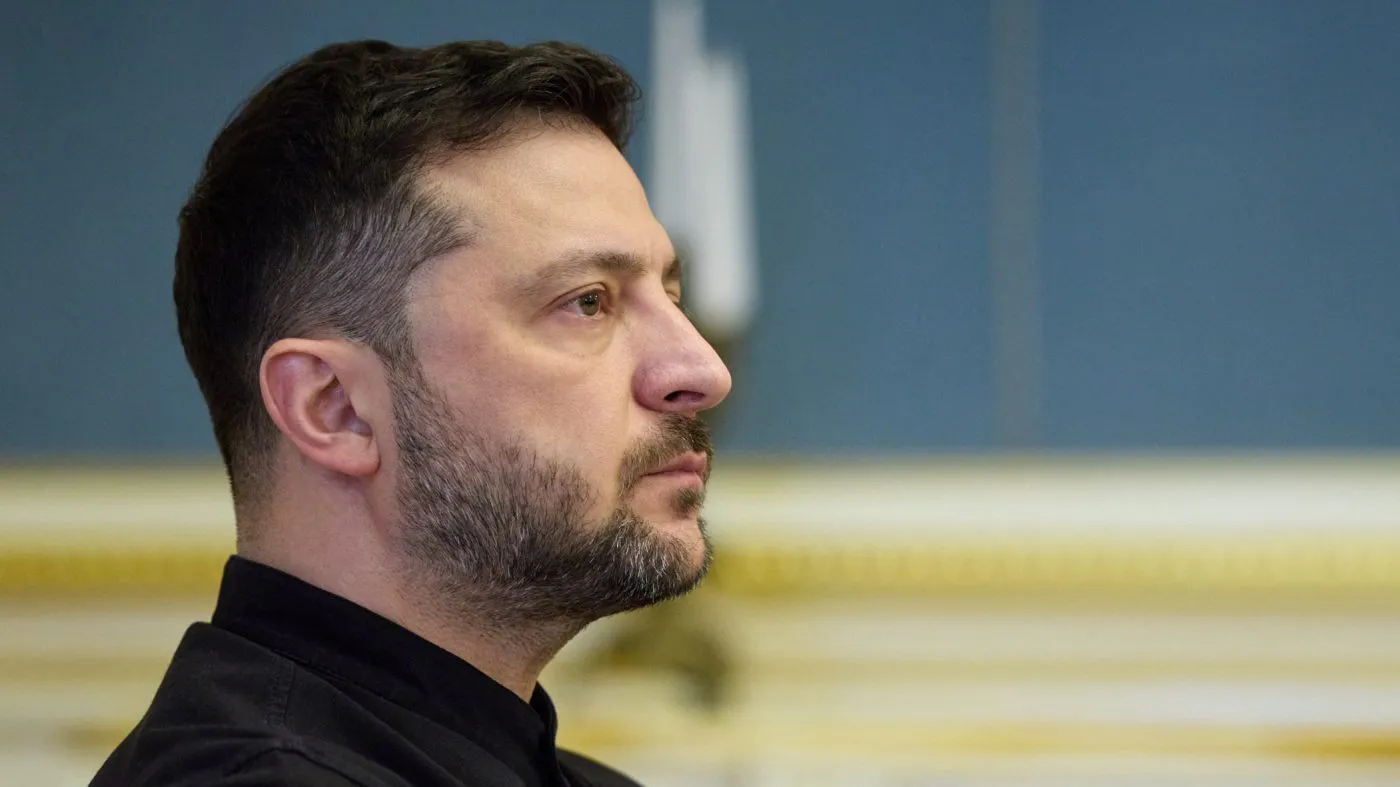
The former vice president had just concluded a day that included addressing the National Prayer Breakfast in Ukraine and holding a private conversation with President Volodymyr Zelensky. That meeting, Pence said, left him confident that Kyiv retains sufficient capability to manage the escalating drone and missile threat from Moscow.
“As I talked to President Zelensky, he made it very clear that they have the ability to deal with the drone warfare,” Pence added.
The Numbers Behind the Debate
The question Pence was answering is not trivial. Since the Iran war opened, U.S. forces have consumed roughly 80 percent of their terminal high-altitude area defense (THAAD) interceptors. Patriot missile-interceptor inventories have also been cut approximately in half. Those figures, drawn from Pentagon disclosures this month, paint a picture of a defense industrial base stretched across two simultaneous high-intensity theaters.
The replenishment timeline compounds the concern. Analysts at the Center for Strategic and International Studies calculated in May that restoring Patriot stockpiles to prewar levels would not occur before mid-2029 — a span of nearly four years during which Ukraine would remain exposed to sustained Russian air attacks. For a country whose cities are already under near-daily missile and drone bombardment, that gap carries existential weight.
Ukraine’s Winter Calculus
Zelensky, Pence reported, did not ask for a wholesale transfer of American interceptors. Instead, the Ukrainian president requested access to five percent of the remaining Patriot inventory — a fraction, but one he judged sufficient to carry his country through the winter months when energy infrastructure becomes the primary target.
“He said, ‘We’re looking just for 5 percent of your remaining Patriot inventory,’ and he believes that would get them through the winter months,” Pence recounted.
The timing of that request is not accidental. As temperatures drop, Russian forces have historically shifted emphasis toward power plants, substations, and heating infrastructure. A single successful strike on a regional grid node can leave hundreds of thousands without heat for days. Zelensky told Pence he expects exactly that escalation as winter approaches.
Civilian Toll Accelerates
The stakes of any interceptor shortfall are underscored by casualty data released earlier this month by the United Nations Human Rights Monitoring Mission in Ukraine. July recorded the highest monthly total of Ukrainian civilian deaths since March 2022 — the first weeks of the full-scale invasion. The mission attributed the spike to a combination of factors: intensified missile and drone use over urban centers, glide bombs dropped on cities closer to the front line, and short-range drones that give defenders little warning time.
“Civilians are facing intensified risks from the increased use of missiles and drones in urban centers, glide bombs in cities closer to the frontline, and short-range drones,” said Danielle Bell, head of the mission’s Ukraine office.
“Together, these attacks are driving up civilian casualties across different regions of Ukraine,” Bell noted.
Pence Frames the Broader Question
While denying that the Iran war has left Ukraine defenseless, Pence did not minimize the Russian threat. He characterized Putin’s recent employment of high-arc ballistic missiles as “an act of desperation,” suggesting the Kremlin is reaching for longer-range options because shorter-range systems have been degraded by Ukrainian air defenses.
For Pence, the strategic calculus is straightforward: if Washington supplies what Kyiv needs to survive the winter, Ukraine will emerge from the war with its sovereignty intact and a stable political future secured. He closed his remarks to Bash with a personal appeal that departed from the analytical register of the interview.
“If we give them what they need, they’re going to secure their sovereignty and a peaceful and just future,” the former vice president said. “I just know it with all my heart.”
Why the Stockpile Question Matters Beyond One Winter
The debate over interceptor allocation is not merely a logistics footnote. It touches on a deeper question about how the United States sequences its commitments when two peer-level conflicts demand the same finite hardware. Patriot and THAAD interceptors are not interchangeable with cheaper alternatives; each unit represents years of production capacity, specialized sensor integration, and multi-year training pipelines. Drawing them down in one theater while another remains active creates a window of vulnerability that adversaries can exploit.
Ukraine’s request for a modest slice of remaining inventory — five percent — is designed precisely to avoid that window without forcing Washington into an all-or-nothing choice. It asks the Pentagon to accept a small, bounded reduction in its own readiness margin in exchange for keeping a frontline ally’s cities alive through the coldest months of the year. Whether Congress and the Pentagon accept that trade-off will shape not only Ukraine’s winter but the credibility of American security guarantees across Europe for years to come.
Related Reading
Frequently Asked Questions
What is Pence denies that Iran war hurting?
Pence denies that Iran war hurting is the main topic of this guide. The article explains the context, practical details, and next steps readers should understand.
Why does Pence denies that Iran war hurting matter?
Pence denies that Iran war hurting matters because readers are looking for a useful answer, not just a short summary. Good content should match search intent and help them decide what to do next.