Iran declares victory in deal with US, while hard-liners push for tougher terms

Iran declares victory in deal with US, while hard-liners push for tougher terms
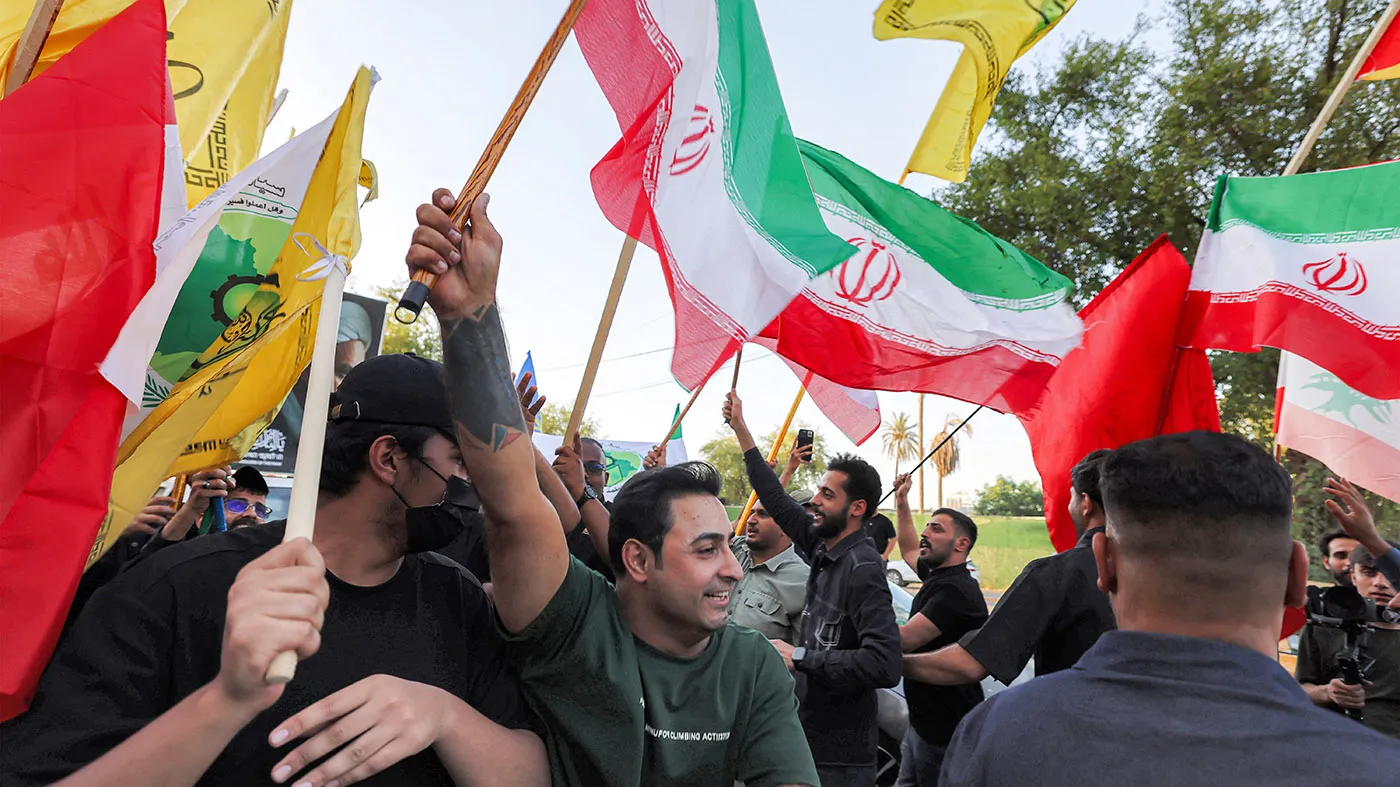
Provpnadvice.com – Iran, having inked a memorandum of understanding with the Trump administration, is marking the conclusion of a conflict that has persisted since early this year. The country is celebrating what it perceives as a significant triumph against the United States, framing the agreement as a breakthrough in its ongoing struggle with American policies.
The Iranian Supreme Leader, Mojtaba Khamenei, who has been largely absent from public view and is rumored to have suffered injuries from a potential U.S. or Israeli strike, expressed his approval of the MOU through a social media post on Thursday. In the message, he referred to President Trump’s actions as evidence of his “desperation,” suggesting that the U.S. was compelled to seek an end to hostilities due to internal pressures.
Despite the official optimism, there is evidence of internal dissent. Opposition from within the regime and among the general public indicates a rift over the agreement and a lingering apprehension about its long-term implications. Researchers are closely analyzing Iranian online discourse to better understand the sentiments surrounding the deal.
These analysts are examining a range of sources, including government-sanctioned social media accounts, state-run news outlets, and discussions from Iranian citizens navigating internet restrictions. According to Erol Yayboke, the chief operating officer of FilterLabs.AI, a company specializing in social media sentiment analysis, the lack of widespread support for the MOU was unexpected.
“It surprised me that there wasn’t more support for the MOU,” Yayboke said. “The opposition to the MOU was either: It didn’t go far enough, or it entrenched the Iranian regime. I would have assumed that there would have been more ‘I am glad the war is over’ chatter. We didn’t see that as much, and I think there’s mistrust … that the war is actually over.”
The MOU, consisting of 14 key points, outlines a temporary truce that includes the reopening of the Strait of Hormuz and a halt to hostilities. It sets the stage for at least 60 days of negotiations focused on Iran’s nuclear program. While the agreement has provided immediate relief by easing U.S. sanctions on the country’s oil and banking sectors, it has also sparked debate over its effectiveness and the concessions it demands.
FilterLabs, in its evaluation of the agreement, highlighted how official channels have emphasized specific aspects of the 14-point plan as major achievements. One of these points is the U.S. agreement to reduce its naval blockade, with a particular focus on the commitment to an “immediate” withdrawal rather than a 30-day timeline. Vice President Vance’s statement on Thursday confirmed that the U.S. had lifted the blockade, further reinforcing the regime’s narrative of success.
However, the deal is not without its critics. The Iranian government has stressed that the clause regarding the Strait of Hormuz is temporary, lasting only 60 days. This has led to discussions about the future control of the strait, with some arguing that it remains under Iranian influence despite the agreement’s wording.
“The Strait of Hormuz clause generated intense discourse. Iranian institutional sources were emphatic that the Strait would remain under Iranian management and authority,” FilterLabs noted in its assessment.
The regime is also leveraging the MOU to maintain unity among its core supporters. Iranian President Masoud Pezeshkian shared the English version of the MOU on the social platform X, describing it as a “historical document and a message from a powerful Iran: Peace will be realized in the shadow of mutual respect.” This message aims to portray the deal as a symbol of strength and diplomatic progress.
Yet, the agreement has not entirely silenced the voices of hardliners. Deputy Foreign Minister Kazem Gharibabadi, speaking through Iran’s state-affiliated Tasnim News Agency, emphasized that the MOU does not signify trust in the U.S., but rather reflects a strategic decision to remain cautious. “This memorandum does not mean trusting the enemy; it has been written with active distrust,” Gharibabadi stated. “We will monitor the implementation of US commitments.”
Tasnim, which is closely linked to the Islamic Revolutionary Guard Corps (IRGC), plays a pivotal role in amplifying opposition to the deal. The IRGC, known for its mandate to spread the Islamic revolution abroad and support Iran’s regional allies, has been vocal in its criticism. It views the MOU as insufficient in securing further concessions from the U.S.
Analysts suggest that there is a growing divide within Iran’s governing circles. Matin Mirramezani, a project manager at Stanford University’s Iran 2040 initiative, noted that the loyal base of the regime is showing signs of division. “There’s almost a split in the governing regime’s loyal base,” Mirramezani explained. “A small but dedicated faction of the population holds extreme views and is highly anti-American. They believe Iran has gained substantial leverage through its control of the Strait of Hormuz.”
Meanwhile, hardliners in the parliament have been vocal in their disapproval. Mahmoud Nabavian, a hard-line member of the legislative body, described the MOU as “damaging” and argued that it required significant compromises from Iran. A group of 60 parliamentarians also signed a letter urging the Speaker of the Parliament, Mohammad Bagher Qalibaf, to clarify the terms of the agreement.
Some members of parliament have taken the initiative to demand more accountability. Abol-Fazl Abootorabi, a representative in the legislature, called for parliamentary ratification of the deal, while another member criticized it as a “violation of the Leader’s red lines.” These actions underscore the tensions within Iran’s political landscape and the challenges of achieving consensus on the agreement.
As the MOU takes effect, its impact on both domestic and international relations remains a subject of close observation. While it may offer a temporary reprieve from conflict, the debate over its terms and the regime’s ability to maintain control over its strategic interests is likely to continue. The coming weeks will be crucial in determining whether this deal marks a turning point or simply a step in a longer, more complex journey toward peace with the United States.