UN Ambassador Waltz: Cuba’s regime ‘is a national security threat’

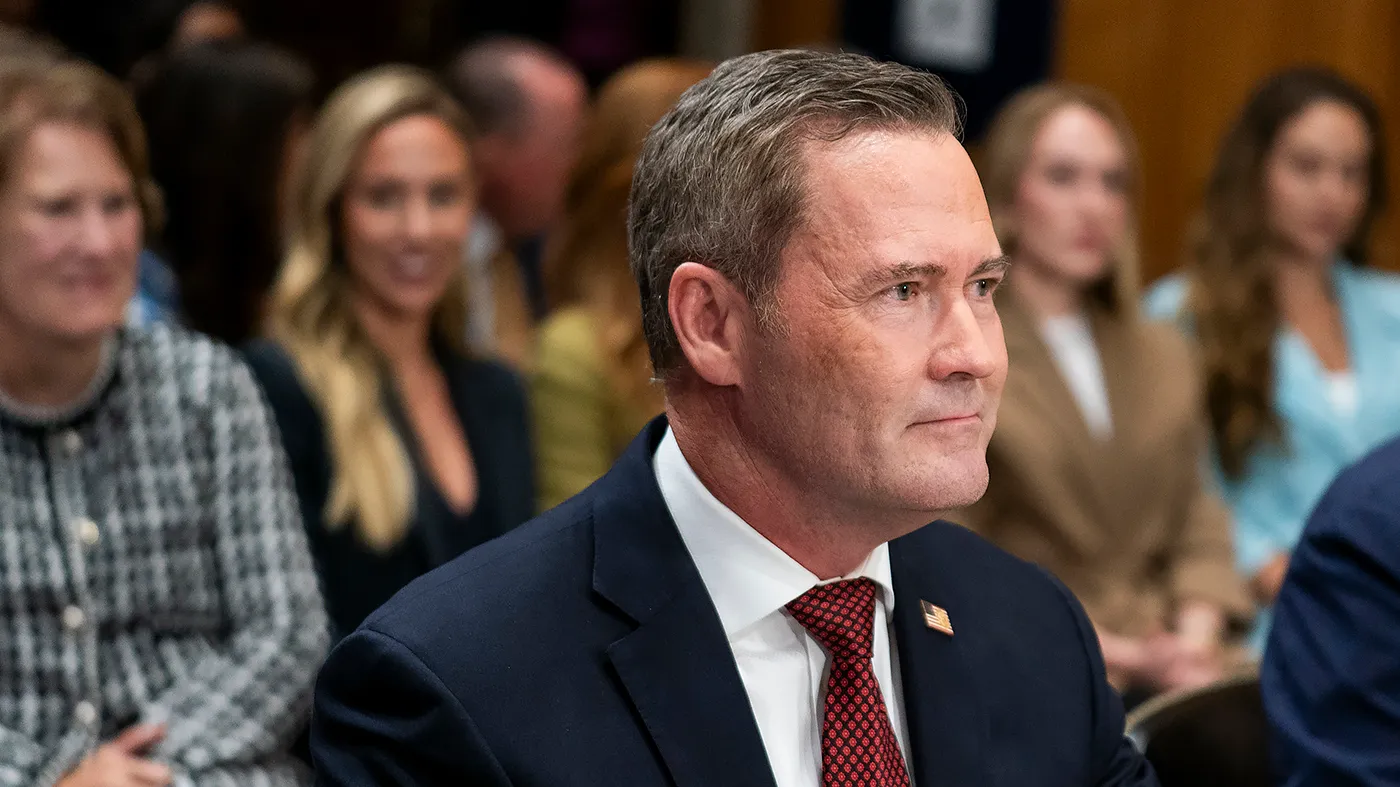
Waltz Declares Cuban Government a Direct Threat to American Security
Provpnadvice.com – During a Sunday appearance on Fox News, United Nations Ambassador Mike Waltz delivered a pointed assessment of the current situation in the Caribbean, characterizing Cuba’s leadership as a significant danger to United States interests. The comments came as the Trump administration continues to monitor developments on the island nation with growing intensity, particularly as diplomatic tensions escalate between Washington and Havana.
Foreign Powers Maintain Military Presence
In his interview with Maria Bartiromo on the program “Sunday Morning Futures,” Waltz highlighted the ongoing activities of rival nations near American territory. He specifically criticized China and Russia for their continued operations in the region, noting that both countries maintain active monitoring capabilities close to U.S. military installations.
Waltz accused China and Russia of “collecting information around our military bases in Cuba” during the interview.
The ambassador emphasized that this foreign presence represents more than just diplomatic activity. He described multiple types of installations operating in Cuban territory, including intelligence gathering facilities and communication stations staffed by military personnel from both nations.
“The Cuban regime is not only a threat to its own people, it’s a national security threat, and this administration’s not going to stand for it any longer,” Waltz told Bartiromo.
Waltz contrasted the current situation with conditions under previous administrations, suggesting that American influence in the region had diminished during the Biden era. He noted that while Chinese and Russian operations remain active in Cuba, they have largely withdrawn from other parts of Central and South America.
“But they’re no longer in Venezuela,” he continued. “They’re no longer in south Central America, in the way that they were, on the march, even in the Panama Canal, under the Biden administration and previous administrations.”
Trump Administration Takes Firm Stance
The current administration has demonstrated a more assertive approach toward Cuba compared to recent years. CIA Director John Ratcliffe traveled to the island in May for discussions with Cuban officials, carrying a clear message from President Trump regarding potential consequences if Havana does not alter its behavior.
The CIA previously said Ratcliffe traveled to Cuba to “personally deliver President Trump’s message that the United States is prepared to seriously engage on economic and security issues, but only if Cuba makes fundamental changes.”
At approximately the same time, Secretary of State Marco Rubio expressed skepticism about the likelihood of reaching a diplomatic agreement with Cuban leadership. His comments suggested that meaningful progress would require significant concessions from Havana before negotiations could succeed.
Cuban Leadership Warns of Military Response
Cuban President Miguel Díaz-Canel issued a strong warning in May following reports that suggested the United States might consider military action against the island. His statement came after Axios published information indicating that Cuba possesses approximately 300 drones and has developed plans targeting the U.S. military installation at Guantanamo Bay.
Cuban President Miguel Díaz-Canel in May warned against any U.S. military intervention following the publication of an Axios story, warning of a “bloodbath with incalculable consequences” if there is an attack.
The Cuban leader’s comments reflected concerns about potential escalation if Washington decides to respond more forcefully to what it perceives as threats in the region.
Regional Allies and Political Figures Weigh In
Former Florida Governor Jeb Bush provided additional context regarding the drone capabilities mentioned in recent reports. He stated that Iran has been supplying Cuba with unmanned aerial vehicles, strengthening the connection between the two nations despite geographic distance.
Former Florida Gov. Jeb Bush (R) said last week that Iran supplied Cuba with the drones.
Bush emphasized that Iranian-Cuban cooperation has contributed to regional instability, particularly through their relationship with Venezuela before the ouster of President Nicolás Maduro.
The late Senator Lindsey Graham, a prominent Republican and supporter of President Trump, had been vocal about Cuba for some time. He publicly advocated for regime change on the island and, following military actions in Venezuela and Iran, declared in March that Cuba represented the next target for American pressure.
Sen. Lindsey Graham (R-S.C.), a Trump ally and defense hawk who died Saturday night, openly called for regime change in Cuba and — following the military responses in Venezuela and Iran — said in March that “Cuba is next.”
Graham expressed optimism about the future in May, writing on social media that he believed the Cuban people were nearing freedom from communist rule.
“I believe the liberation of the wonderful people of Cuba from the clutches of communism is close at hand,” Graham wrote on social media in May.