Denmark ‘ready to defend’ Greenland after latest Trump remarks, PM says

Denmark Stands Firm on Greenland Defense Following Trump’s Renewed Claims
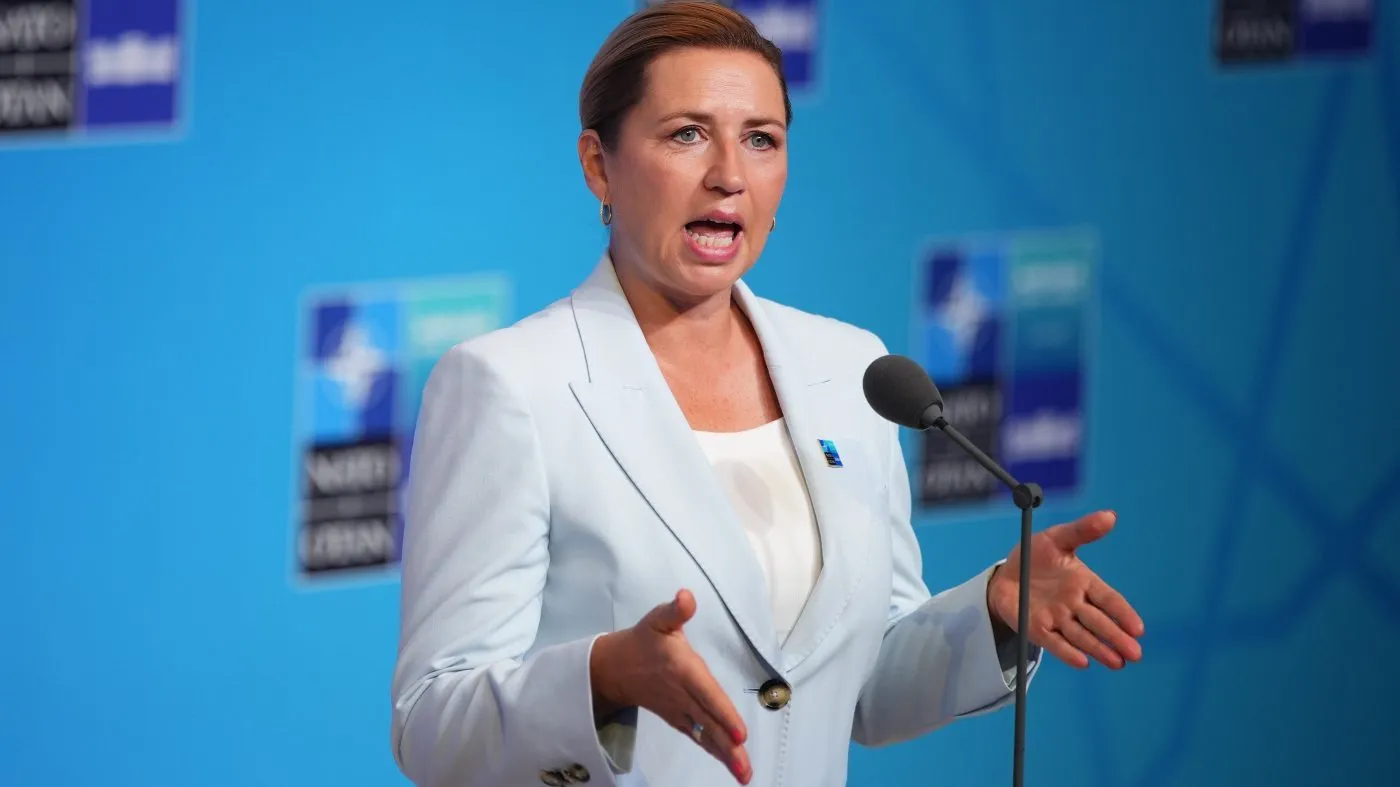
Provpnadvice.com – Danish Prime Minister Mette Frederiksen issued a clear statement of resolve on Wednesday, declaring that her nation remains prepared to protect Greenland against any external pressure. This declaration came in response to President Donald Trump’s latest remarks suggesting the United States should acquire the Arctic territory. Speaking to journalists before attending a summit in Ankara, Turkey, Frederiksen emphasized that Denmark would not back down from its territorial responsibilities.
“We are ready to defend every inch of NATO, including our own territory,” she told reporters ahead of the summit in Ankara, Turkey.
The Danish leader further explained the foundational purpose of the North Atlantic Treaty Organization, noting that collective security remains paramount. She highlighted that the alliance was established decades ago specifically to ensure mutual support among member nations when any one of them faces threats.
She added later, “One of the reasons why we have built NATO many, many years ago, is if anything happens to one of us, then everybody should stand up for each other.”
Despite the heightened tensions, Frederiksen confirmed that discussions about Greenland would not feature prominently during the Turkish capital visit. Instead, she focused on reinforcing Denmark’s position regarding its sovereignty and territorial boundaries. According to The New York Times, the prime minister urged all parties to honor Denmark’s territorial integrity and sovereign rights.
Frederiksen pointed to Article 5 of the NATO charter as a crucial safeguard for member nations. She described this collective defense provision as an essential form of insurance that guarantees mutual protection among allies.
“Article 5 is our insurance,” she said, referring to the alliance’s collective defense agreement.
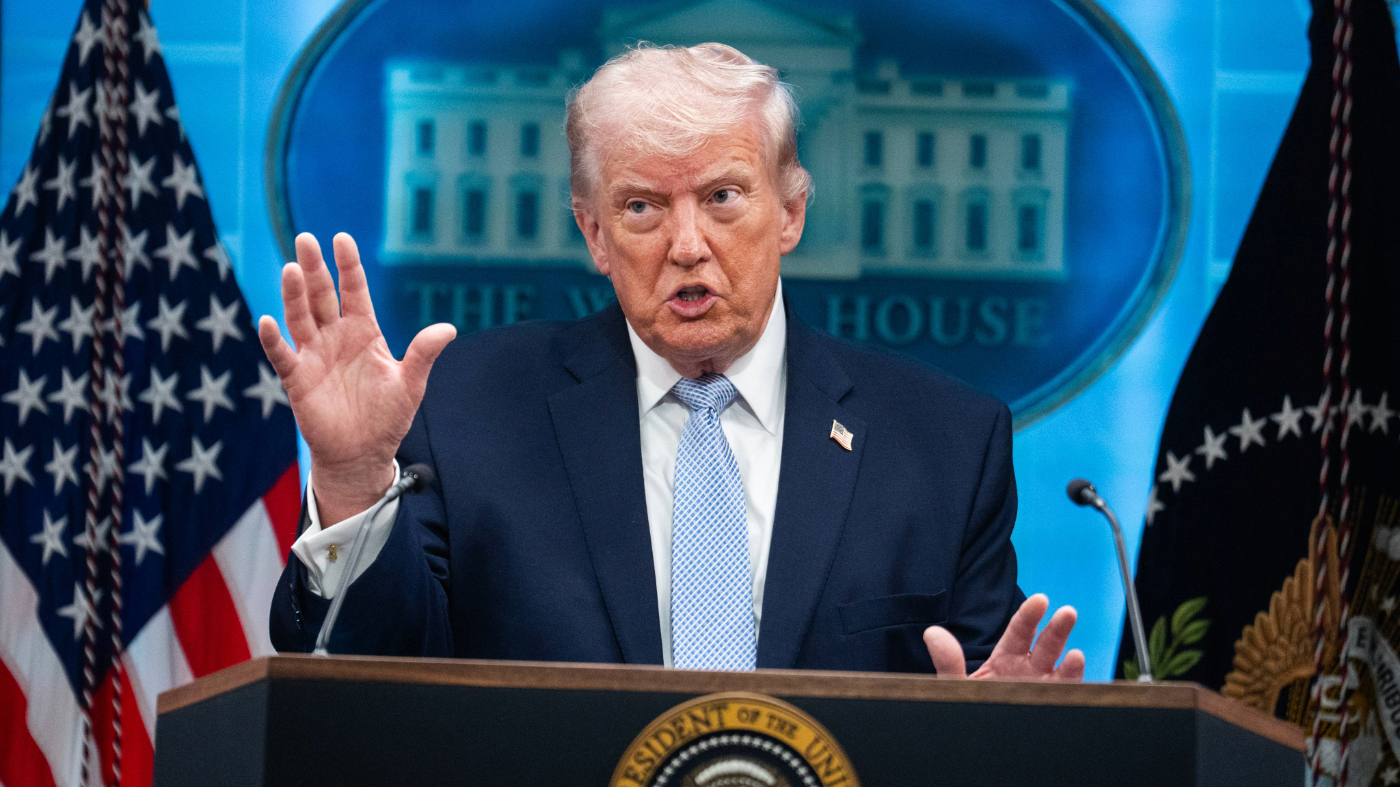
Meanwhile, President Trump has reignited his campaign for American control over Greenland. Speaking ahead of the Ankara summit, the president characterized the Arctic territory as strategically vital to U.S. interests while suggesting that Danish administration does not serve American needs effectively. He argued that Washington should exercise greater authority over the region rather than allowing Copenhagen to maintain control.
“That should be controlled by the United States, not by Denmark,” the president said. “And when they wouldn’t go along with it, and with all the money we spend to help them with Russia — we don’t have to spend any money.”
Beyond Greenland, Trump issued broader warnings to European nations regarding immigration and energy policies. He cautioned that failure to address these critical areas could fundamentally alter the European landscape.
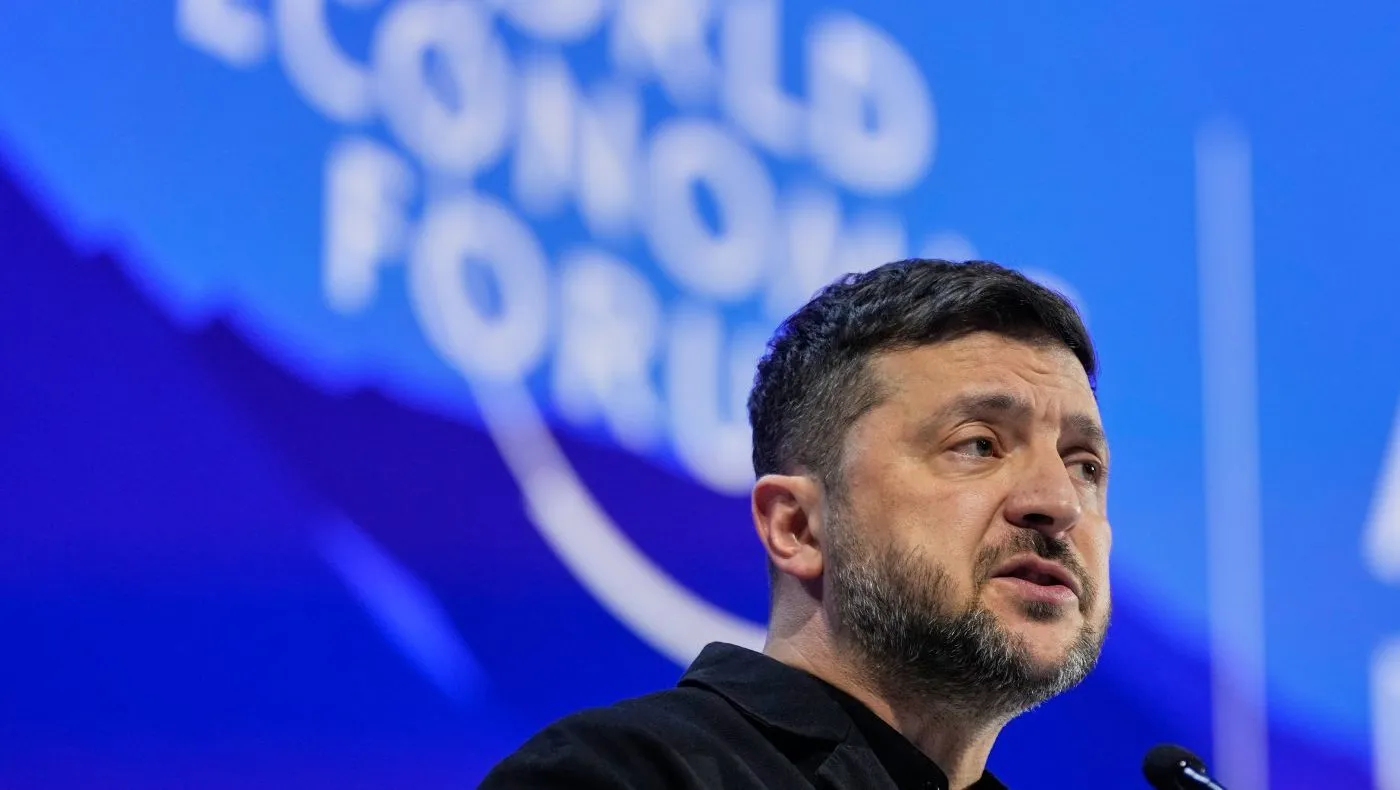
The president also acknowledged that his persistent efforts to annex Greenland have strained his relationship with NATO, an organization he has repeatedly threatened to abandon. These acquisition efforts gained momentum in January during the World Economic Forum in Davos, Switzerland. At that time, the Trump administration signaled willingness to employ military force to secure the territory. Subsequent negotiations between Trump and NATO Secretary-General Mark Rutte resulted in what the president described as a framework for future arrangements concerning Greenland.
Rutte offered praise on Wednesday for Trump’s criticism of European defense spending patterns. The NATO secretary-general noted that increased financial commitments from member nations would not have materialized without Trump’s leadership in his current position.
NATO members previously committed at last year’s summit to dedicate five percent of their gross domestic product toward defense purposes. This allocation includes three and a half percent for defense budgets and one and a half percent for infrastructure supporting rapid troop and equipment mobilization during potential conflicts.
Trump and his administration have advocated for what they term “NATO 3.0,” positioning it as a more robust alternative to what they characterize as a “paper tiger” organization. The president intensified pressure on allies on Wednesday by signaling potential trade restrictions against Spain.
Defense Secretary Pete Hegseth announced last month a comprehensive six-month examination of American military deployments across Europe. This review aims to accelerate the transition toward European leadership within the alliance structure.
“NATO lost its way,” Hegseth told allies at the NATO headquarters in Brussels. “NATO 2.0 was an era of distraction, deindustrialization and demilitarization. It was an era of free riding, and those were lost years that we’re not going back to.”
“And that’s why, at the Department of War, we’ve been so clear and so candid to restore NATO’s core military role and character,” he added, using the administration’s preferred name for the Department of Defense.