Mike Johnson: California election ‘stinks to high heaven’


Mike Johnson: California Election ‘Stinks to High Heaven’
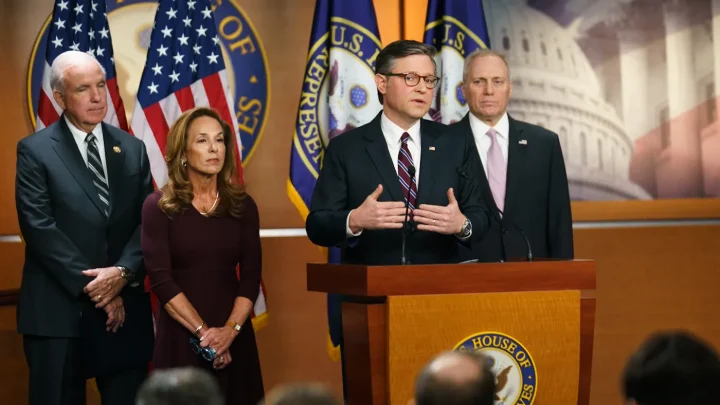
Provpnadvice.com – House Speaker Mike Johnson, a Republican from Louisiana, took to the floor of the Capitol on Monday to voice his concerns about the California primary election, calling it “stinks to high heaven.” His remarks align with criticism from President Donald Trump and other GOP lawmakers who have questioned the state’s election procedures. Johnson’s comments come amid growing unease over the timeline for counting ballots and the perceived impact on the race’s outcome.
“They are counting votes weeks after the election,” Johnson said during his address. “I’m not saying it’s rigged. I’m saying it stinks to high heaven, and everybody knows that.”
Johnson’s critique centers on the extended period during which California’s ballots are processed. The state’s system allows votes to be counted as long as they are postmarked by Election Day and received up to a week afterward, which has led to debates about the fairness of the process. This flexibility, while intended to accommodate voters who may mail their ballots late, has raised eyebrows among Republicans who argue it creates opportunities for manipulation.
California’s primary election, held last week, saw mail-in votes cast over the weekend contribute significantly to the final tally. These ballots pushed Republican Spencer Pratt down to third place, while Democrat Tom Steyer gained momentum on Steve Hilton, the second-place Republican. The delayed counting of these votes has fueled accusations that the state’s electoral system is being used to alter the results in favor of certain candidates.
“Let’s have votes on an election the day of the election. That’s what many states are able to do. I think California is playing around with this,” Johnson added, emphasizing the discrepancy between traditional voting methods and the state’s approach.
California’s top-two primary system, which places all candidates on the same ballot regardless of party affiliation, has been a point of contention. Under this system, the two candidates with the most votes move on to the general election, regardless of their political party. This setup, while designed to promote cross-party competition, has also been criticized for potentially diluting the influence of party primaries and favoring candidates who appeal to a broader electorate.
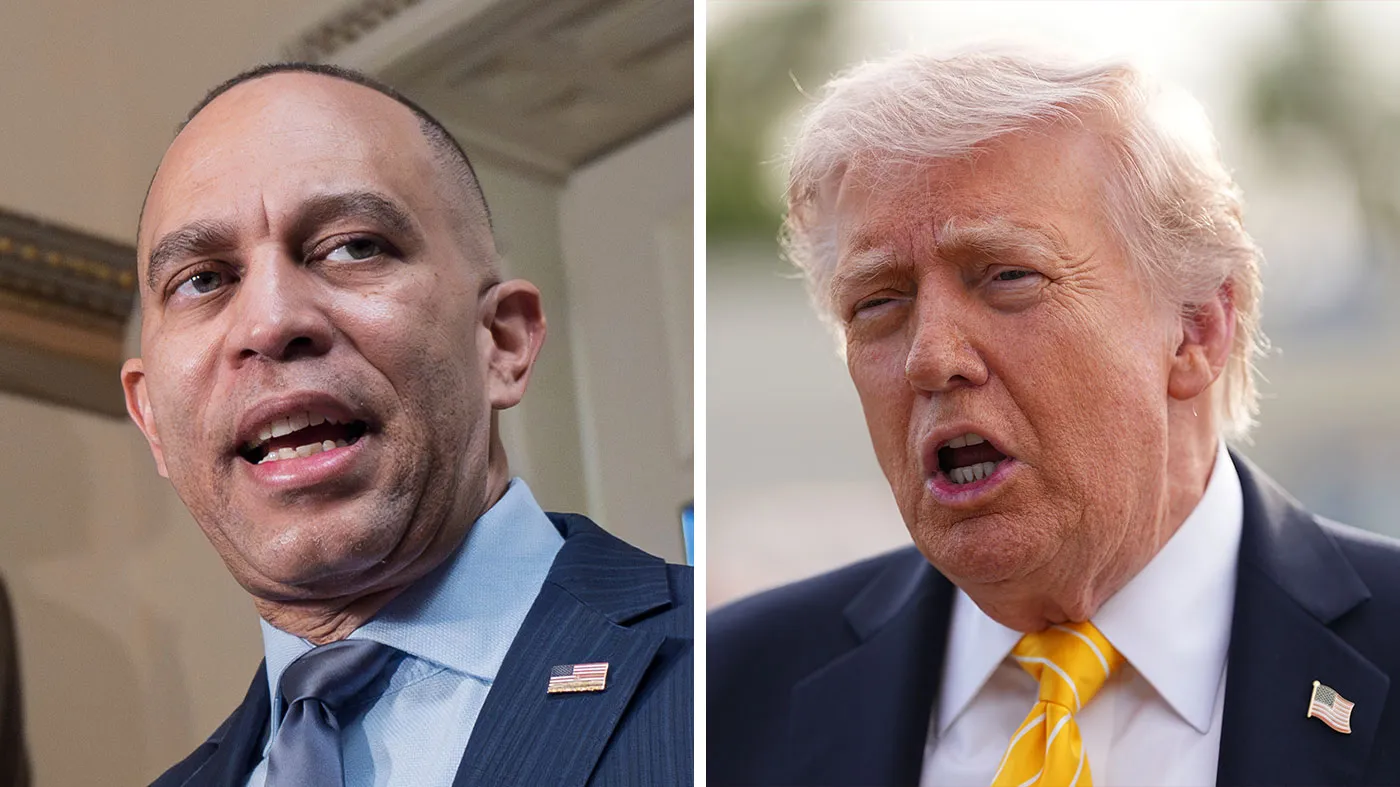
Johnson’s remarks echo those of Trump, who earlier in the week labeled the California election “rigged” and abruptly left an interview with NBC’s Kristen Welker when questioned about the claims. Trump’s assertion that the results were unfair has been a recurring theme in his campaign against the state’s voting procedures, particularly its use of mail-in ballots and extended counting periods.
“Some of these efforts are so diabolical and so far upstream that it’s impossible to prove, but I think everybody knows instinctively, something is wrong here, and that’s a concern,” Johnson said when asked about the evidence for election fraud.
California’s reliance on mail-in voting is a key factor in its electoral process. Every registered voter in the state receives a ballot by mail, and a majority of these ballots are cast by voters who choose to mail them rather than vote in person. The extended timeline for counting these votes—allowing ballots postmarked by Election Day to be counted up to a week later—has been a focal point of Republican complaints. Johnson argued that this system gives an unfair advantage to candidates who can secure votes in the final days before the deadline.
While California’s approach has been defended as a way to ensure voter access, especially in a state with a large population and diverse demographics, critics maintain that it opens the door to potential discrepancies. The delayed counting process, they argue, creates a window for last-minute changes or irregularities that could influence the final outcome. Johnson’s comments suggest that the state’s procedures are not just a logistical choice but a political strategy that undermines the immediacy of democratic processes.
California’s election system has been a topic of discussion in recent years, particularly as concerns about voter fraud and election integrity have grown. The state’s rules allow for ballots to be counted even if they arrive after the polls close, provided they are postmarked by the deadline. This has led to a situation where votes can be finalized weeks after the election itself, raising questions about transparency and accountability. Johnson’s criticism highlights a broader frustration among Republicans that the state’s methods are being used to favor certain candidates or outcomes.
Despite the controversy, California’s system remains in place, with officials citing its effectiveness in increasing voter participation and reducing barriers to voting. However, Johnson’s remarks indicate that the state’s approach is now under scrutiny, with some lawmakers arguing that the process is not aligned with the principles of fair and timely elections. The debate over California’s procedures reflects a growing divide in how different states handle their voting systems, and it has become a rallying point for those skeptical of the state’s electoral integrity.