House Republican: Let Reflecting Pool ‘go’ and ‘create an ecosystem’


House Republican Proposes Transforming Reflecting Pool Into Natural Ecosystem
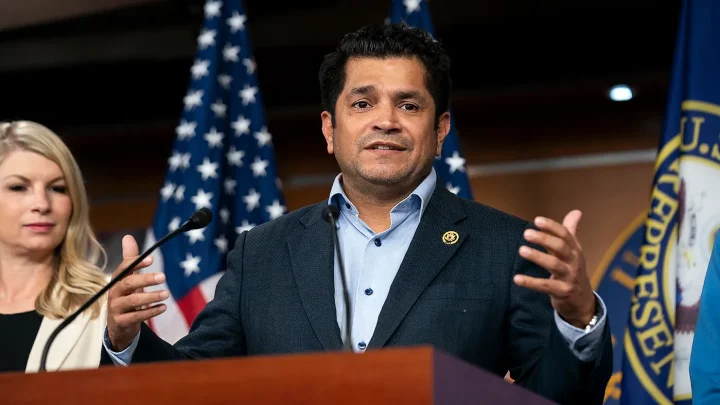
Provpnadvice.com – Representative Tim Burchett, a Republican from Tennessee, has sparked a conversation about the Lincoln Memorial Reflecting Pool by suggesting it be allowed to evolve naturally rather than relying on traditional maintenance methods. During a press briefing on Capitol Hill, Burchett shared his unconventional vision, which has since drawn both curiosity and critique from environmental experts and the public.
“Honestly, I think it’d be cool if they just let it go and create an ecosystem, have fish in there and everything. … I think that’d be a really … cool way to go,” Burchett told reporters, according to MeidasTouch.
The proposed change comes as the Reflecting Pool undergoes a recent restoration project. Completed earlier this month, the $14.6 million renovation was spearheaded by Atlantic Industrial Coatings under a federal contract. Among the updates, the pool’s base was repainted in a shade of blue matching the American flag, a detail that has since become a focal point of public discussion.
However, the revitalization effort has not been without challenges. Shortly after the work concluded, the pool’s surface began showing signs of distress. The blue paint, which was applied to enhance the visual harmony with the Lincoln Memorial, started peeling off the bottom within days. This unexpected issue has raised questions about the durability of the materials used and the long-term maintenance requirements of the project.
Compounding the situation, the water in the 2,028-foot-long pool turned green due to an algal bloom, a phenomenon that has left visitors and officials concerned. The National Park Service (NPS) has since deployed hydrogen peroxide and nanobubble ozone technology to combat the algae and other contaminants. These methods aim to restore the water’s clarity while minimizing chemical impact on the surrounding environment.
The algae problem has drawn attention beyond the pool itself. Over the weekend, wildlife enthusiasts and tourists reported discovering a dead duck in the pool, with another two found nearby in Constitution Gardens. The presence of the ducks has added a layer of urgency to the debate, as their deaths may be linked to the water’s sudden ecological shift. City Wildlife, a Washington-based animal rescue group, has taken samples from the deceased ducks for analysis, stating it cannot confirm the cause of death until results are received.
Burchett’s suggestion to embrace a more organic approach has been met with mixed reactions. While he acknowledges the inevitability of natural processes, he also highlights the need for alternative solutions. “It’s algae and science. It’s just going to happen,” the Tennessee Republican remarked, emphasizing that the outdoors inherently resists artificial control. He suggested methods like chlorine and bleach as temporary fixes but framed them as part of a broader conversation about balancing conservation with human intervention.
Meanwhile, President Donald Trump has taken a different stance, attributing the pool’s issues to vandalism. The Trump administration announced the arrests of six individuals connected to the incidents, which included graffiti and littering. While this explanation has found support among some, it has also faced scrutiny from environmental advocates who argue that the algae bloom is a result of chemical treatments and water flow adjustments rather than deliberate acts of sabotage.
The Reflecting Pool, a symbol of national pride and a popular tourist destination, has long been a subject of maintenance debates. Its pristine appearance has been a key factor in its status as a landmark, but the recent changes have prompted a reevaluation of its management. Some have praised Burchett’s idea as a bold step toward ecological integration, while others worry that allowing the pool to “go wild” could lead to a decline in its aesthetic appeal and usability for public gatherings.
Environmental scientists have weighed in on the situation, noting that algae blooms are a common occurrence in urban water bodies. Factors such as nutrient runoff, sunlight exposure, and water circulation can all contribute to the growth of algae. The NPS’s use of hydrogen peroxide and ozone technology represents an attempt to address the issue through advanced methods, though some question whether these solutions are sustainable or if they mask deeper environmental concerns.
Burchett’s proposal has also reignited discussions about the role of government in maintaining public spaces. Critics argue that while a natural ecosystem might be visually appealing, it requires careful planning to prevent overgrowth and ensure the safety of visitors. Supporters, however, see the idea as a refreshing departure from rigid maintenance standards, one that could inspire other landmarks to adopt similar approaches.
As the debate continues, the fate of the Reflecting Pool remains uncertain. Whether it will embrace a more natural state or return to its former pristine condition depends on the outcome of ongoing discussions between officials, environmental experts, and the public. The incident has underscored the delicate balance between preserving historical beauty and adapting to ecological realities in urban settings.
With the pool’s transformation still in its early stages, the event has become a case study in the intersection of politics, environmental science, and public perception. Burchett’s unconventional idea, though initially seen as a lighthearted suggestion, now stands as a symbol of the broader challenges in managing iconic spaces. As the NPS works to stabilize the pool’s ecosystem, the question remains: is this a step toward innovation or a misstep in maintaining a national treasure?
City Wildlife’s analysis of the ducks’ remains could provide critical insights into the pool’s ecological impact. If the deaths are linked to the algal bloom, it might signal a larger issue with the water’s quality. Conversely, if the cause is unrelated, it could offer reassurance that the pool’s naturalization process is not yet harmful. The group’s findings will be closely watched as they could influence future decisions about the pool’s management.
For now, the pool stands as a blend of human intervention and nature’s unpredictability. Its blue paint, once a symbol of national identity, now serves as a reminder of the challenges in maintaining such a space. As the algae continue to thrive and the ducks’ stories unfold, the Reflecting Pool’s evolution offers a unique glimpse into the complexities of preserving beauty in a changing world.
Representative Burchett’s perspective reflects a growing trend in environmental policy, where some lawmakers advocate for more flexible approaches to conservation. His comments have been echoed by other Republicans who see the pool as a microcosm of the broader debate about balancing ecological health with the demands of tourism and symbolism. The idea of allowing the pool to “go” may not only reshape its physical appearance but also spark a cultural shift in how public spaces are perceived and managed.
As the NPS refines its strategies, the question of whether to prioritize aesthetics or ecological integrity will likely remain at the center of the discussion. The algae bloom and the duck deaths have provided a tangible example of the trade-offs involved. While the pool’s natural state may be more sustainable in the long term, its current condition serves as a cautionary tale about the unintended consequences of human-designed environments.
Ultimately, the Reflecting Pool’s story is one of adaptation and uncertainty. Whether it will be remembered as a pioneering example of ecological integration or as a case of overzealous maintenance remains to be seen. For now, it stands as a testament to the evolving relationship between nature and the built environment, a relationship that continues to be shaped by political decisions and scientific advancements.