Watchdog: Trump administration illegally withheld federal research funds

Table of Contents
Federal Watchdog Finds HHS Improperly Withheld AHRQ Research Funds
Provpnadvice.com – The Department of Health and Human Services unlawfully held back more than $78 million intended for healthcare research in fiscal year 2025, a federal watchdog has concluded. The finding centers on funding for the Agency for Healthcare Research and Quality, a smaller federal health agency whose work focuses on improving the safety, quality, affordability and effectiveness of care.
The Government Accountability Office determined that HHS ran afoul of the Impoundment Control Act after agency layoffs left AHRQ without the personnel needed to continue its grantmaking work. The shortfall emerged after the fiscal year ended with tens of millions of dollars still unobligated.
Congress had appropriated the money for AHRQ, but the agency’s ability to issue and manage research grants was disrupted by mass firings in July 2025. Those cuts included the employees responsible for processing grants, contributing to a sharp slowdown in the use of available funds.
Limits on withholding congressional funding
The Impoundment Control Act, enacted in 1974, sets rules for any effort by the executive branch to delay or cancel spending approved by Congress. While agencies have some flexibility in administering programs, the president and executive departments cannot simply decide not to spend money Congress has appropriated.
To pursue a rescission, an administration must formally notify Congress through a special message. GAO said HHS did not take that required step for the AHRQ funds.
“We conclude that HHS withheld funds when it declined to obligate or expend more than $78 million of its FY 2025 appropriation before the close of the fiscal year,” the GAO found. “We further conclude that this withholding constituted an impoundment under the ICA rather than a programmatic delay. Because HHS did not submit a special message proposing to rescind AHRQ funds, HHS’s actions violated the ICA.”
The distinction matters because a routine delay can occur when an agency needs time to administer a program or resolve operational issues. GAO concluded that this case went beyond such a delay. Its review pointed to the large remaining balance late in the fiscal year, canceled peer-review meetings, the reduction in force affecting grant staff and indications from agency leadership that funding was uncertain.
“Collectively, the substantial unobligated balance of funds near the close of the fiscal year, the cancellation of grant peer review sessions, the RIF separating key grant personnel from the agency, and admissions by agency management of funding uncertainty suggest a lack of intent to prudently obligate funds,” the GAO wrote in its report.
Grantmaking disruption at a health research agency
AHRQ does not operate on the scale of the National Institutes of Health, but its research mission has a direct connection to the way healthcare is delivered. The agency supports work intended to identify safer medical practices, improve outcomes and reduce avoidable costs. Over the past 27 years, it has been estimated to have supported research associated with thousands of saved lives and billions of dollars in savings.
The watchdog noted that AHRQ retained discretion over where to direct its funding. Still, budget materials did not show the agency increasing spending in other areas to make up for the diminished pace of grant awards. The result was an unobligated $78 million balance at the end of fiscal year 2025.
The funding concerns have continued into the current year. Congress allocated roughly $345 million to AHRQ, yet researchers were told in July that nearly all grants previously awarded by the agency were being halted. The interruption has raised questions for researchers and institutions that depend on federal grants to sustain ongoing health-services research.
Last month, the White House also informed Congress of its plan to seek the cancellation of $28 million in AHRQ funding. That proposal was included in a broader effort targeting nearly $1 billion in funds across multiple federal agencies. A rescission proposal follows a separate process from withholding funds without congressional notification, but both actions have placed AHRQ’s research portfolio under pressure.
Democrats demand consequences
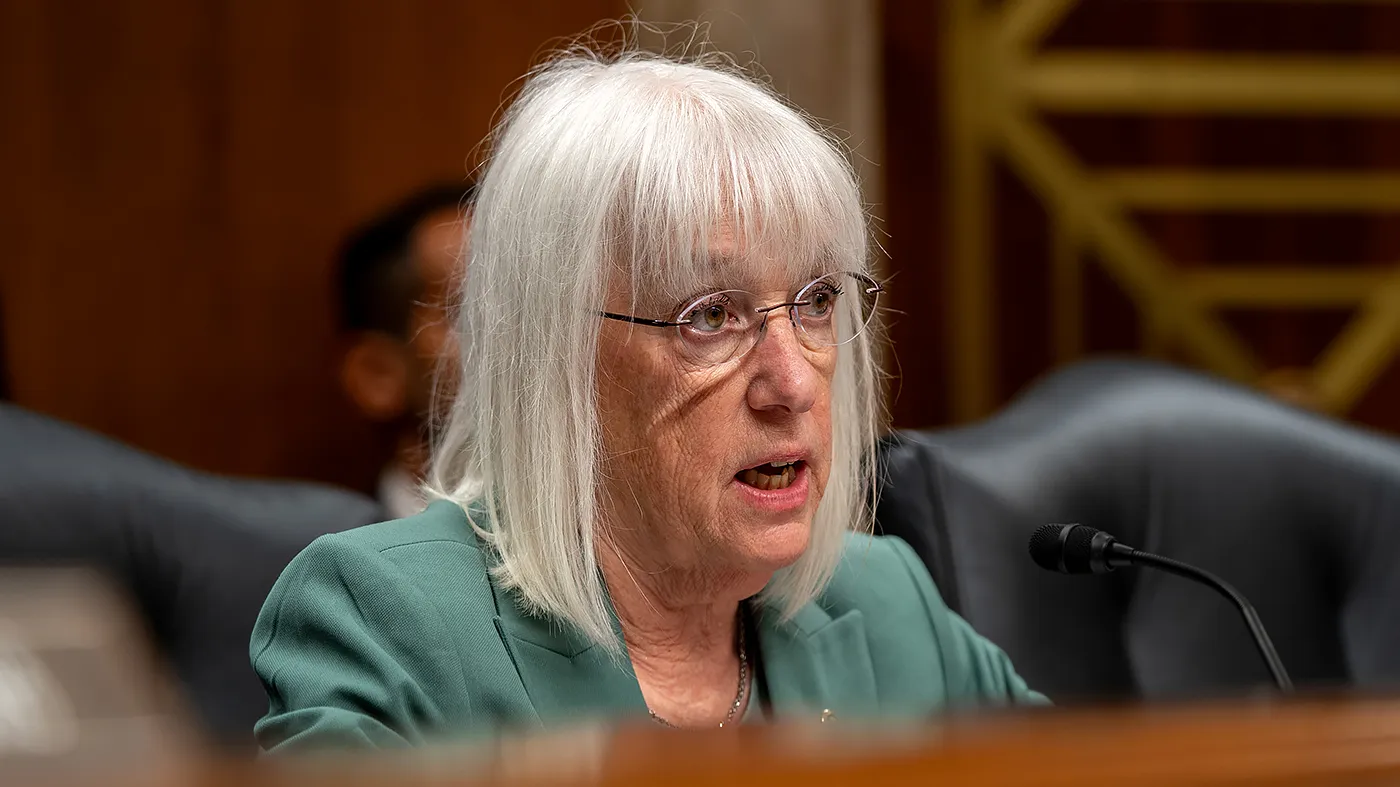
Democratic lawmakers had sought the GAO review after the 2025 firings and said the decision validates warnings they had made for more than a year. Sen. Patty Murray of Washington, the senior Democrat on the Senate Appropriations Committee, argued that the administration’s actions have jeopardized research with significant public-health and financial benefits.
“This decision confirms what we’ve long known: President Trump lit health research funding on fire last year, and it’s clear as day he’s just done the same again this year,” Murray said.
“This is research that has saved tens of thousands of lives and saved billions of dollars in health care costs—but President Trump and Secretary Kennedy are intent on breaking the law to cut it off, and Republicans in Congress have all but let them do it,” Murray added. “It’s past time Congress imposes real consequences on this administration for killing lifesaving health research—I’ll keep fighting to do just that.”
In the House, Democratic Reps. Diana DeGette of Colorado, Doris Matsui of California and Don Beyer of Virginia urged Republican lawmakers to defend Congress’s constitutional authority over appropriations.
“The administration’s unilateral dismantling of the Agency for Healthcare Research and Quality’s grantmaking operations is an illegal impoundment of Congressionally appropriated funds,” the Democrats said in a joint statement.
“Trump’s administration cannot simply refuse to spend the resources we authorized for lifesaving health care research. Republicans must join Democrats in demanding that the Constitution is upheld,” the lawmakers continued.
The GAO decision provides a formal legal assessment of the 2025 funding lapse, but it does not by itself restore the interrupted grants or resolve the agency’s current budget uncertainty. The dispute now places renewed attention on whether Congress will pursue oversight, protect AHRQ’s grantmaking capacity and determine how much funding should remain available for its healthcare research mission.
Related Reading
Frequently Asked Questions
What is Watchdog?
Watchdog is the main topic of this guide. The article explains the context, practical details, and next steps readers should understand.
Why does Watchdog matter?
Watchdog matters because readers are looking for a useful answer, not just a short summary. Good content should match search intent and help them decide what to do next.