Kindergarten MMR vaccine coverage still below ideal rate to prevent outbreaks: CDC

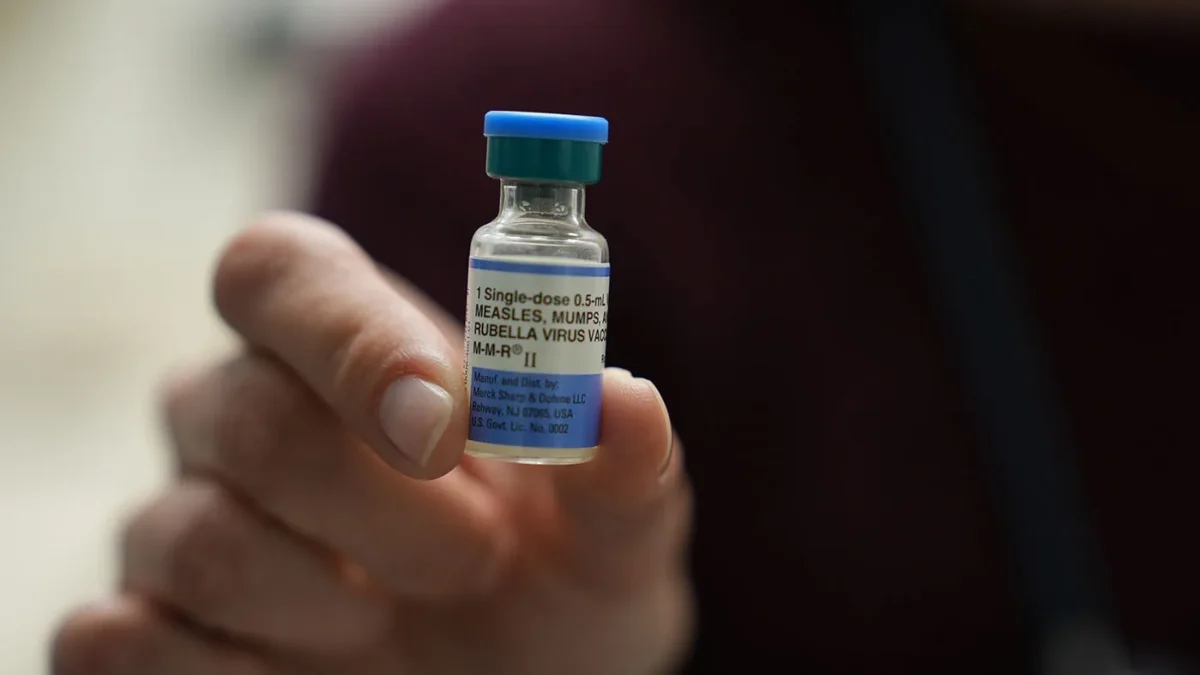
Table of Contents
Kindergarten MMR Vaccine Coverage Still Below Target
Provpnadvice.com – Kindergarten MMR vaccine coverage still sits below the level public health officials need to halt sustained measles transmission, according to new data released Monday by the Centers for Disease Control and Prevention. Only 92.4 percent of children entering the 2025-26 school year had received the measles, mumps, and rubella shot — a figure that falls short of the 95 percent threshold long considered the minimum for community-level protection. The shortfall lands at the worst possible moment: the United States is already navigating its largest domestic measles epidemic in more than three decades.
A Multi-Year Slide Away from Herd Immunity
The latest number is not a cliff-edge drop. Last school year, 92.5 percent of kindergarteners were vaccinated, so the year-over-year change is a fraction of a point. The more consequential trend stretches back to the 2019-20 academic year, when coverage peaked at 95.2 percent. Every year since has registered below 94 percent, eroding the statistical buffer that once absorbed isolated importations of the virus. Each incremental dip widens the window through which a single case can ignite a chain of transmission in classrooms, daycares, and community gatherings.
Compounding the decline, the share of children arriving at kindergarten with a medical or non-medical exemption climbed from 3.6 percent to 4.2 percent. Forty-one states and Washington, D.C., reported year-over-year increases in exemption counts, and 24 of those jurisdictions now sit above a 5 percent exemption rate — roughly one child in twenty starting the school year without MMR protection. Researchers have long warned that even small clusters of susceptible individuals become ignition points once a pathogen as contagious as measles enters the community.
Outbreak Math and a Fragmented Vaccination Schedule
The clinical stakes are no longer theoretical. The CDC’s most recent tally places confirmed measles cases at 2,566 across 47 U.S. jurisdictions this year. A single infected person can pass the virus to 12 or 15 unvaccinated contacts in an enclosed space, meaning the mathematical cushion that once contained sporadic importations has effectively vanished at current coverage levels.
Adding another variable to an already strained landscape, President Trump signed an executive order directing that the combined MMR product be administered as three separate doses at distinct clinic visits. No monovalent vaccines targeting measles, mumps, or rubella individually exist; the trivalent formulation remains the sole licensed product. The directive therefore fragments an existing schedule rather than creating new options, forcing families to arrange additional appointments, absorb extra co-payments, and navigate more complex logistics — burdens that fall disproportionately on lower-income households and those without reliable transportation. Immunization advocates caution that each added visit introduces another opportunity for a dose to be missed, widening the very gap the CDC data underscores.
The 95 percent threshold is not arbitrary. It derives from the basic reproduction number of measles and marks the point at which each infected person, on average, infects fewer than one new individual in a fully susceptible population. Falling below that line removes the statistical firewall between an imported case and a community outbreak.
Frequently Asked Questions
Why does the CDC use 95 percent as the benchmark? Measles has a basic reproduction number of roughly 12-15, meaning one case can infect that many unvaccinated people in a closed setting. Simple epidemiological modeling shows that at least 95 percent of a population must be immune to bring the effective reproduction number below one, thereby stopping sustained chains of spread.
What does a non-medical exemption mean for my child’s school? A non-medical (often called “personal belief” or “religious”) exemption allows a child to attend school without receiving MMR. In jurisdictions where exemption rates exceed 5 percent, the local coverage can dip below the herd-immunity threshold even if national averages look acceptable, creating pockets of vulnerability.
Can the MMR vaccine be given as separate shots? Currently, no. The only FDA-licensed product for measles, mumps, and rubella is the combined trivalent formulation. Administering the three components at separate visits does not change the antigen content but does increase the number of required appointments and the chance that a subsequent dose is delayed or missed.
What should families do if they have questions about their child’s vaccination status? Contact your pediatrician or local health department to review the immunization record. Most states maintain online lookup tools that show whether a child’s doses are current. If a dose was missed, catch-up scheduling is available at any primary-care clinic.