FDA gives emergency approval to screwworm over-the-counter pet drug

FDA Grants Emergency Approval for Over-the-Counter Screwworm Treatment
Provpnadvice.com – On Thursday, the U.S. Food and Drug Administration (FDA) granted emergency use authorization to a generic, over-the-counter tablet designed to combat New World screwworm in dogs and cats. This marks the first time a generic animal medication has been approved for treating the parasite, which has been a significant threat to livestock since the 1960s.
A New Threat to Domestic Animals
Officials in Texas and New Mexico recently confirmed at least seven instances of screwworm infection in cattle, along with one case in a dog and a goat. These findings represent the first reported domestic outbreaks in decades, as the parasite was previously eliminated from the U.S. through aggressive eradication efforts. The resurgence has raised concerns about the potential for widespread infestation, particularly in regions where the conditions for the fly’s survival have reemerged.
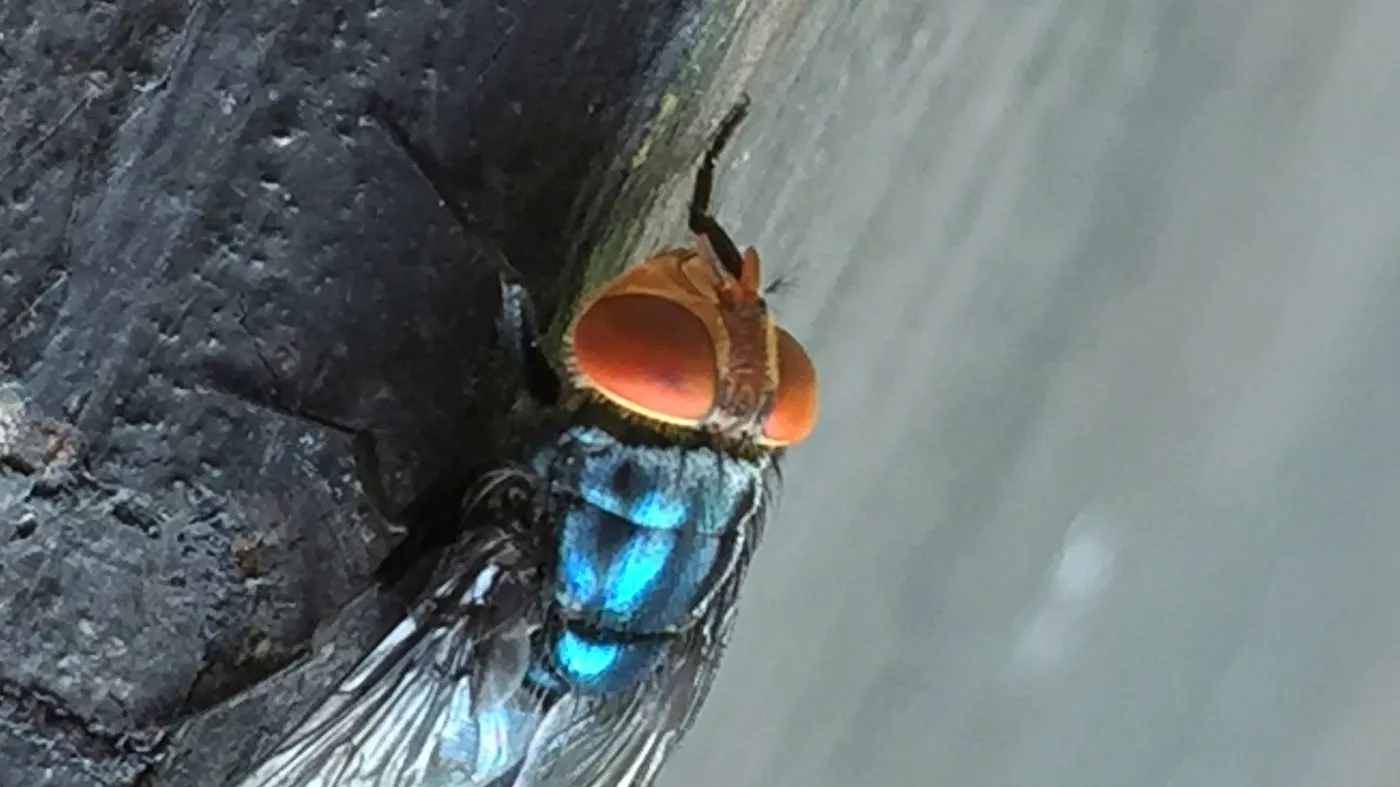
New World screwworm, also known as *Cochliomyia hominivorax*, is a parasitic fly that thrives in warm climates. Its larvae burrow into the open wounds of mammals, feeding on living tissue and causing severe damage if left untreated. The life cycle of the parasite is rapid, with eggs hatching into larvae within 24 hours and reaching maturity in just a few days. This quick development makes early intervention critical to preventing extensive harm to animals.
Impact on Livestock and Pets
While the screwworm is most infamous for its devastation to cattle and other livestock, it can also affect pets, wildlife, and even humans. Infections in animals often lead to painful sores, tissue necrosis, and in severe cases, death. For pets, the parasite poses a risk to those living in areas where outbreaks have been detected, though the overall threat remains relatively low for the general population.
The FDA’s decision to authorize the generic nitenpyram tablets comes as a response to the growing concern over the parasite’s return. Health and Human Services Secretary Robert F. Kennedy Jr. emphasized the importance of this approval, stating in a statement,
“This action puts an affordable, fast-acting treatment in the hands of pet owners, strengthens our containment strategy, and helps stop this destructive parasite from spreading further in the United States.”
The drug’s accessibility as an over-the-counter option is a key factor in its potential to curb the spread of the infestation.
How the Drug Works and Its Application
The nitenpyram tablets are available in two dosage strengths, tailored to the weight of the animal. Veterinarians recommend administering the medication based on the specific needs of each pet, ensuring optimal effectiveness. The FDA noted that the drug acts swiftly, eliminating most larvae within hours of the first dose. This rapid response is vital for preventing the parasite from establishing a foothold in infected hosts.
According to guidelines, the tablets should be used on dogs and cats that weigh at least 2 pounds and are four weeks of age or older. A second dose is advised six hours after the initial administration to ensure complete eradication of the larvae. However, the FDA cautioned that the treatment does not prevent reinfestation, meaning that pets exposed to the parasite in affected areas may require additional care. Veterinarians may also need to manually remove any remaining larvae, either living or dead, to fully address the infestation.
Rebuilding Containment Strategies
The approval of this drug underscores a renewed focus on preventing the spread of screwworm in the U.S. Federal officials have stressed that while the risk to most pets is minimal, animals in outbreak zones are more susceptible. The combination of public awareness, veterinary intervention, and the availability of affordable treatments is seen as a crucial step in containing the parasite’s resurgence.
Historically, the screwworm was eradicated from the United States in the 1960s through a comprehensive program involving insecticides, quarantine measures, and collaboration between agricultural and public health agencies. The recent cases suggest that the parasite has found a way to reestablish itself, possibly due to changes in climate, increased animal movement, or lapses in monitoring. This development has prompted a reassessment of strategies to protect both livestock and companion animals.
The new treatment offers a practical solution for pet owners, particularly in regions where the parasite is now active. Its over-the-counter availability reduces the financial burden on individuals, making it easier to address infestations promptly. However, experts caution that it is not a standalone remedy. They recommend that pet owners remain vigilant, especially in areas where the parasite has been reported, and consult with veterinarians for guidance on proper usage and follow-up care.
Broader Implications for Animal Health
The reauthorization of nitenpyram for screwworm treatment has broader implications for the field of veterinary medicine. It highlights the importance of adapting to new challenges and leveraging existing resources to combat emerging threats. The drug’s inclusion in the over-the-counter category signals a shift toward more accessible solutions for common parasitic infections, which could set a precedent for future approvals.
Public health officials are also monitoring the potential for human exposure, as the screwworm can occasionally infect people through open wounds. While the risk is low, the FDA’s action demonstrates a proactive approach to addressing all possible avenues of transmission. This multidisciplinary strategy ensures that both animals and humans are protected from the parasite’s harmful effects.
As the cases in Texas and New Mexico continue to be investigated, the FDA’s decision provides a critical tool for managing the infestation. The combination of quick-acting treatment and community involvement is expected to play a significant role in limiting the parasite’s impact. With this approval, pet owners now have an immediate option to safeguard their animals, while researchers work to understand the long-term effects of the parasite’s return.
Looking Ahead: A Collaborative Effort
The approval of nitenpyram for screwworm treatment is part of a larger effort to integrate public health and veterinary medicine in addressing parasitic threats. This collaboration is essential for tracking the parasite’s movements, educating pet owners on prevention, and developing long-term solutions to keep it at bay. The FDA’s action not only aids in controlling the current outbreak but also strengthens the nation’s ability to respond to future infestations.
Experts believe that the availability of this drug will empower pet owners to take swift action against screwworm, reducing the likelihood of severe complications. However, they also stress the need for continued vigilance, as the parasite’s presence in the country indicates that eradication efforts must remain sustained. The success of this treatment may depend on how quickly it is adopted and how effectively it is combined with other containment measures.
Overall, the FDA’s emergency approval represents a significant milestone in the fight against New World screwworm. By making this medication available to the public, the agency is addressing a growing concern that has reemerged after decades of absence. This step not only protects domestic animals but also reinforces the importance of preparedness in the face of unexpected health challenges.