Gas prices reach Labor Day high amid Iran war

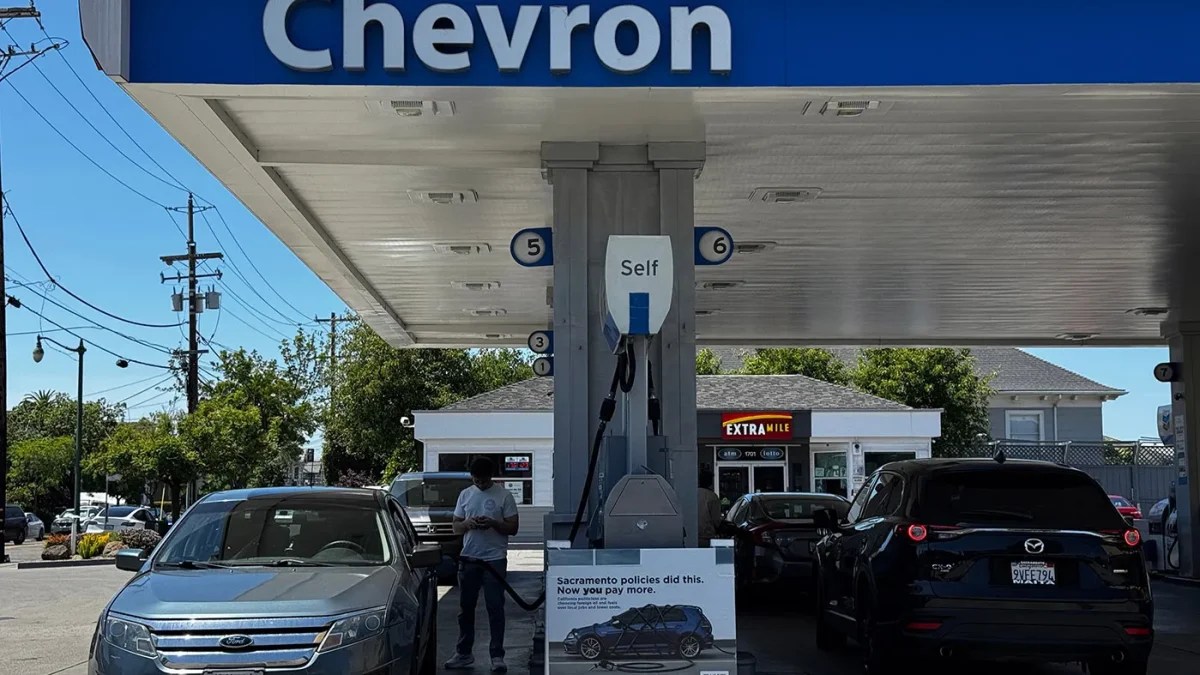
Table of Contents
Record-Breaking Pump Prices Collide With a Long Weekend as Middle East Conflict Chokes Global Oil Flows
Provpnadvice.com – Drivers pulling into stations across the country this Labor Day weekend faced a sticker shock that eclipses every prior holiday benchmark. The national average for regular unleaded gasoline climbed to $4.14 per gallon, a figure that shatters the previous Labor Day ceiling of $3.82 set back in 2012. The spike lands at a particularly painful intersection: families planning road trips, commuters already stretched thin by inflation, and small businesses whose margins depend on fuel costs all absorbed the hit simultaneously.
Diesel Follows Gasoline Into Uncharted Territory
The gasoline surge did not arrive in isolation. On Friday, the national average for diesel fuel breached $5.85 per gallon, marking the highest level ever recorded for that product. For trucking fleets, agricultural operations, and marine operators that depend on diesel, the number translates directly into higher shipping costs, delayed harvest logistics, and added pressure on grocery and retail price tags within weeks. The simultaneous escalation in both fuel categories signals that the supply squeeze is broad-based rather than confined to a single product tier.
The Strait of Hormuz: A Chokepoint Under Siege
The proximate driver behind both price spikes is the ongoing war in Iran. With active hostilities disrupting production, refining, and export operations in the Persian Gulf region, the global pipeline of crude oil and finished petroleum products has narrowed dramatically. The critical bottleneck is the Strait of Hormuz, the narrow waterway between Iran and Oman through which roughly a fifth of the world’s daily oil consumption normally transits in tanker form. That corridor remains closed to commercial shipping, meaning that cargoes which would ordinarily flow toward Asian, European, and American refineries are stranded or rerouted at enormous cost and delay.
The closure does not merely reduce volume; it injects uncertainty into every forward contract, every hedging position, and every refinery scheduling decision. When a single strait that handles tens of millions of barrels per day goes dark, the marginal barrel becomes extraordinarily expensive, and spot prices leap ahead of any long-term supply adjustment. That dynamic explains why the pump price jumped so sharply in a compressed timeframe rather than drifting upward over months.
Compounding the Iran-driven disruption, the continuing war between Russia and Ukraine continues to constrain European and global energy trade patterns, adding a second layer of geopolitical risk premium to an already stressed market. The two conflicts together have removed meaningful volumes from multiple supply basins simultaneously, leaving demand-side consumers to absorb the shortfall through price.
Administration Deflects, Futures Market Speaks
White House and Department of Energy officials have largely avoided direct questions about where fuel prices will settle over the coming weeks. Energy Secretary Chris Wright, appearing on CNN’s “State of the Union” program on Sunday in conversation with host Dana Bash, was pressed on whether sustained military pressure from both the Iran conflict and the Russia-Ukraine war could push pump prices higher still. Wright declined to offer a directional forecast.
“Look, I don’t want to have an opinion on that, but if you look at the futures market right now, what can you buy gasoline for two months in advance from where we are today? It’s down more than 30 cents a gallon from where it is today,” Wright said.
He went on to state that, in his assessment, prices were more likely to decline than to climb further. The reference to the futures curve is notable: it points to the expectation embedded in forward contracts that supply disruptions will ease within roughly sixty days, whether through a ceasefire, a reopening of the strait, or accelerated alternative sourcing. A discount of more than 30 cents between the spot price and the two-month forward price implies that market participants anticipate a meaningful normalization of supply within that window.
What the Numbers Mean at the Pump
For the average household filling a 15-gallon tank, the $4.14 average represents roughly $62 per fill-up, compared with approximately $57 at the prior record. Over a typical month of commuting, the difference between the 2012 benchmark and today’s level amounts to an extra $15 to $25 in fuel expenditure for a single driver, before accounting for the diesel premium that inflates the cost of virtually every shipped good.
The closure of the Strait of Hormuz also carries secondary effects that are slower to surface but harder to reverse. Insurance premiums for any tanker that eventually resumes transit will remain elevated. Refineries that lost feedstock cargoes face weeks of reduced throughput before inventories rebuild. And the geopolitical premium baked into crude benchmarks will not evaporate the moment a ceasefire is announced; it decays gradually as traders reprice risk.
Until the strait reopens and tanker schedules normalize, consumers should expect volatility rather than a smooth glide path. The futures discount Wright cited offers a data point suggesting relief is priced in for the near term, but the gap between a market expectation and an actual diplomatic or military outcome remains wide. For now, the Labor Day weekend record stands, and the next fill-up will carry the weight of every barrel that cannot yet cross the world’s most consequential oil chokepoint.
Related Reading
Frequently Asked Questions
What is Gas prices reach Labor Day high?
Gas prices reach Labor Day high is the main topic of this guide. The article explains the context, practical details, and next steps readers should understand.
Why does Gas prices reach Labor Day high matter?
Gas prices reach Labor Day high matters because readers are looking for a useful answer, not just a short summary. Good content should match search intent and help them decide what to do next.