Did the Reflecting Pool remodel cause the bright green algae bloom?

Did the Reflecting Pool Remodel Trigger the Green Algae Bloom?
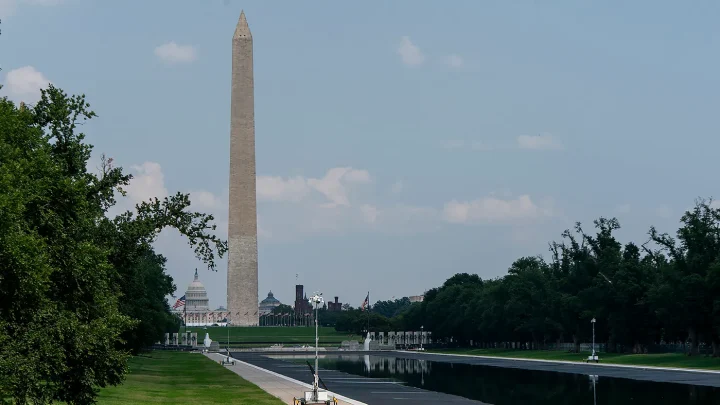
Provpnadvice.com – The Lincoln Memorial Reflecting Pool in Washington, D.C., has become a subject of public curiosity after its recent transformation. President Trump had envisioned a deeper “American flag blue” for the iconic water feature, aiming to commemorate the country’s 250th anniversary with a visual celebration. However, the pool’s current hue—painted a striking shade of green—has sparked questions about whether the $14 million renovation inadvertently created conditions for an algae bloom that emerged shortly after the project concluded.
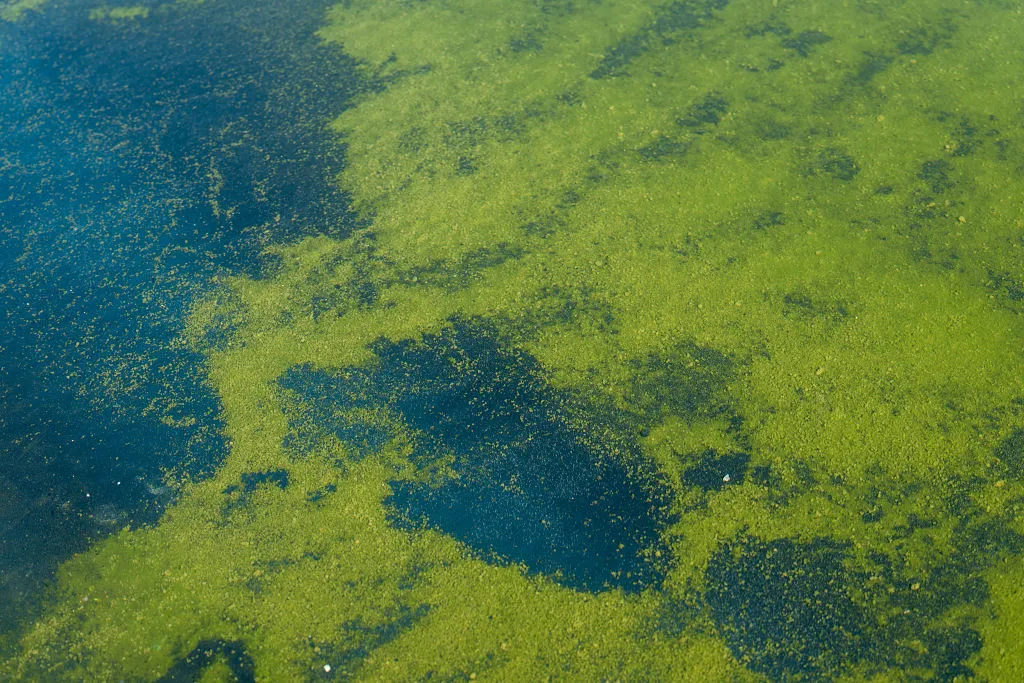
Algae Bloom Emerges Post-Renovation
Following the completion of the overhaul, the pool has exhibited an unusual green tint, attributed to a sudden algae bloom. This phenomenon has led to speculation about its connection to the recent changes. While the exact cause remains under scrutiny, the National Park Service (NPS) has acknowledged the situation as part of the normal process during the pool’s transition phase.
“What do you expect?” said Cochise Wanzer II, president of the Pool Service Company in Arlington, Virginia, during an interview with the Associated Press. “You’re basically taking natural, untreated river water, pumping it in, and expecting it to behave differently from what it would in the open.”
Wanzer’s remarks highlight concerns about the pool’s water source. The Reflecting Pool typically draws from a nearby basin, which is known to harbor algae. WIRED reports that during periods of heightened algae activity—such as when temperatures rise—the supply is supposed to switch to a cleaner alternative. But the recent bloom suggests that this system may have faltered, leaving the pool vulnerable to the proliferation of the green algae.
Expert Insights on the Algae Growth
Wanzer theorized that the new “American flag blue” color might have played a role in fostering the bloom. “Now that the bottom is nice and dark, it elevates the temperature, and the algae grows better,” he explained. This hypothesis aligns with the idea that darker surfaces can absorb more sunlight, potentially warming the water and creating an environment more conducive to algae growth.
Similarly, Kym Hall, a former regional director of the National Park Service, voiced skepticism about the renovation’s impact. “I’m not sure how this administration thought they were going to overcome a long-standing challenge of keeping [the pool] clear, not to mention the waste introduced by wildlife, by simply painting it,” she told Politico. Hall’s perspective underscores the complexity of maintaining water clarity in a natural setting, even with modern interventions.
Meanwhile, the Interior Department has offered a different explanation. In a statement to CNN, officials claimed the algae bloom is a natural outcome of the renovation process. “What you’re seeing is residual algae from the supply lines, which have been dormant for eight weeks during construction,” said Kate Martin, communications director for the department. Her comments suggest that the bloom may have been a byproduct of the system’s inactivity rather than a direct result of the color change.
Efforts to Restore the Pool’s Appearance
As of now, teams from the National Park Service and contractors are working to address the algae issue. Their methods include the use of chemicals and ozone nanobubbles, similar to techniques employed during previous cleanups before Trump’s renovation began. Additionally, workers have deployed a pool vacuum to manually remove algae from the bottom, a task that has become more critical with the darkened surface.
The NPS also mentioned the application of hydrogen peroxide as part of their treatment strategy. This milder alternative to chlorine is commonly used in spas and natural swimming pools, according to the agency. “There are no harmful side effects to marine life or to the environment,” the NPS stated in a release to the Associated Press. This approach aims to balance effectiveness with ecological safety, though its long-term success remains to be seen.
Public Reaction and Questions Remain
Despite the NPS’s assurances, the algae bloom has ignited public debate. Some argue that the renovation’s aesthetic goals may have overlooked practical considerations, while others question the adequacy of the current cleanup measures. Nexstar, a news network, sought additional details from the Interior Department about the factors contributing to the bloom but received no response by the time of publication.
The situation has also prompted comparisons to past maintenance challenges. The pool’s filtration system has been a recurring concern for years, with experts noting that its inefficiencies have contributed to persistent algae growth. This latest incident, however, has brought renewed attention to the interplay between design choices and environmental outcomes. The darkened pool floor, while visually striking, may have inadvertently created a more favorable habitat for algae, raising questions about the trade-offs of the renovation.
Broader Implications for Environmental Management
The algae bloom in the Reflecting Pool serves as a microcosm of broader environmental management dilemmas. While the goal of enhancing the pool’s appearance is understandable, it highlights the need for integrated approaches that consider both aesthetics and ecological factors. The use of hydrogen peroxide and ozone nanobubbles, for instance, reflects a shift toward less harsh chemical treatments, aligning with growing environmental consciousness in public infrastructure projects.
Yet, the incident also underscores the challenges of maintaining water quality in large, open systems. Even with regular maintenance, factors such as temperature changes, light exposure, and the introduction of new materials can disrupt the delicate balance required to prevent algae growth. The NPS’s reliance on traditional methods like vacuuming and chemical treatments suggests a pragmatic response, but it leaves room for debate about the long-term sustainability of such strategies.
Aesthetic vs. Functional Considerations
As the pool continues to undergo treatment, the debate over its transformation persists. Critics argue that the emphasis on achieving a vivid “American flag blue” may have overshadowed the importance of maintaining water clarity and ecological health. “This isn’t just about color—it’s about the entire ecosystem of the pool,” Hall remarked, emphasizing the need for a holistic approach to maintenance.
Meanwhile, supporters of the redesign maintain that the visual enhancement is a worthwhile trade-off for a more iconic landmark. The pool’s new appearance, while unexpected, has drawn both admiration and criticism, illustrating the dual nature of public infrastructure projects. Whether the green algae bloom will fade or become a permanent fixture depends on the effectiveness of the ongoing efforts and the broader lessons learned from this event.
As the Lincoln Memorial Reflecting Pool navigates its transition from a vibrant blue to a greenish hue, it stands as a testament to the intricate relationship between design and ecology. The algae bloom may be a temporary setback, but it has sparked a conversation about the importance of balancing aesthetic ambitions with the practical realities of environmental stewardship. For now, the pool remains a focal point of public interest, with its fate tied to the success of the cleanup measures and the adaptability of the systems in place.