Amid pushback, CBP says it is placing ‘limited’ barriers, not 30-foot wall, in national park

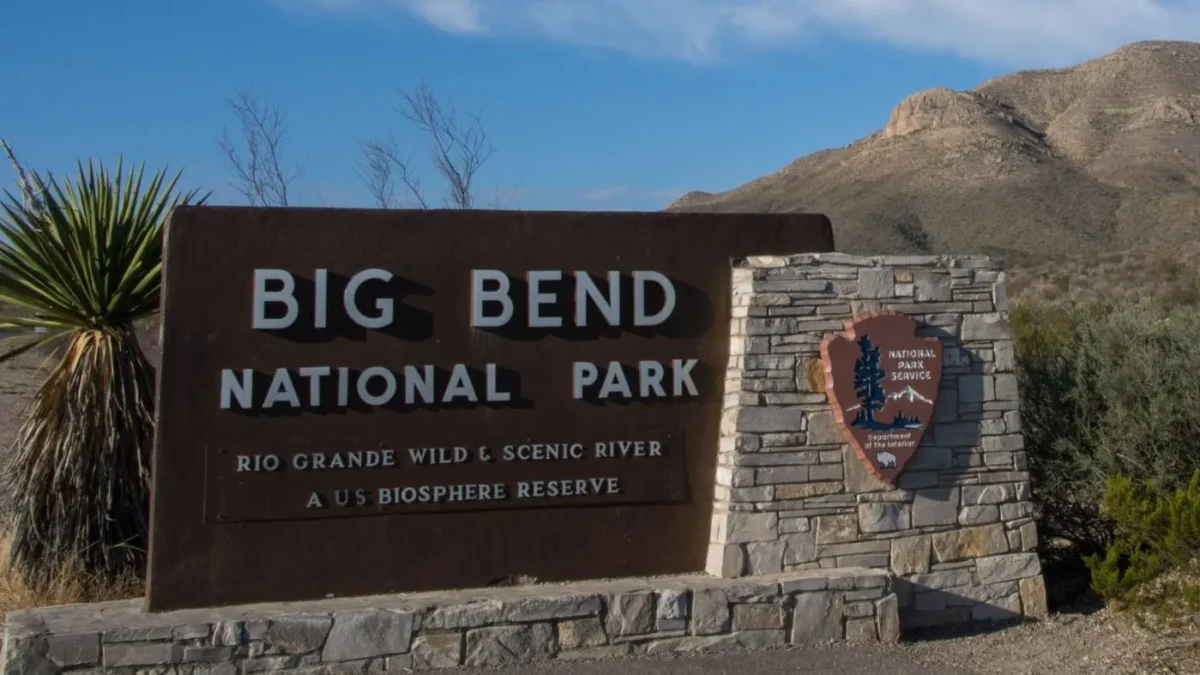
Table of Contents
Border Barrier Project Moves Forward at Big Bend Despite Environmental Concerns
Provpnadvice.com – Customs and Border Protection has clarified its approach to infrastructure development within one of Texas’s most treasured natural areas, emphasizing that the agency is implementing targeted barriers rather than constructing an imposing thirty-foot wall through the protected landscape. The announcement comes as the agency navigates growing bipartisan opposition to its construction activities at Big Bend National Park, a region celebrated for its dramatic mountain ranges, deep river canyons, and expansive desert terrain.
CBP Outlines Strategic Approach
Commissioner Rodney Scott provided detailed information about the scope of work currently underway in the region. The agency is constructing a single new access road while simultaneously upgrading existing thoroughfares throughout the park. Detection technology installations are proceeding alongside the placement of vehicle barriers at carefully selected, strategic points across the landscape.
“CBP is building one new access road, improving existing roads, installing detection technology, and placing vehicle barriers in limited, strategic locations,” Commissioner Rodney Scott said in a statement.
Scott made particular effort to address public misconceptions about the project’s scale. The agency is not erecting a thirty-foot wall or installing stadium lighting through Big Bend National Park, Big Bend Ranch State Park, or the Black Gap Wildlife Management Area, he emphasized. The commissioner characterized the current phase as primarily survey and design work rather than full-scale wall construction through the park.
“We are NOT building a 30-foot wall or stadium lighting through Big Bend National Park, Big Bend Ranch State Park, or the Black Gap Wildlife Management Area,” Scott added.
According to Scott, the ongoing efforts serve multiple purposes. The work aims to preserve the natural landscape while protecting access that visitors and local businesses rely upon. Additionally, the infrastructure improvements will assist the agency in identifying illegal border crossings and help ensure the safety of park visitors who may find themselves in dangerous situations.
Conservation Advocates Voice Persistent Concerns
Despite CBP’s reassurances, conservation organizations maintain that the administration’s actions continue to inflict damage on the national park. Laiken Jordahl, national public lands advocate at the Center for Biological Diversity, highlighted the daily progression of Department of Homeland Security bulldozers into previously undisturbed areas of the park.
“Every day, DHS bulldozers are pushing further into the national park. They are clearing out a totally undisturbed area for a brand new road that is uprooting native vegetation, willows, palo verde, mesquite trees,” Jordahl stated.
Jordahl expressed skepticism about CBP’s characterization of the project’s scope. She noted that the agency appears to minimize the significance of plans calling for seventeen miles of vehicle barriers, which would substantially block access to the Rio Grande. The advocate warned that without intervention, Americans could lose access to one of the great Western wilderness rivers.
“He seems to really minimize the fact that their plans call for 17 miles of vehicle barriers and that will block access to the Rio Grande.”
The Rio Grande holds particular significance for regional tourism and recreation. Thousands of visitors travel from across the nation each year to participate in guided river trips, fishing excursions, and swimming activities. Jordahl described the potential restriction of river access as a significant affront to public enjoyment of this natural resource.
Political and Legal Dimensions
Border wall construction has remained a central political priority for President Trump throughout his career, particularly during his first term in office. Earlier this year, then-Homeland Security Secretary Kristi Noem waived several environmental laws as part of an effort to accelerate border construction in the region. These waivers have enabled faster project timelines but have simultaneously generated legal challenges from environmental groups and local stakeholders.
Both the area’s construction plans and the environmental law waiver have faced ongoing legal challenges in federal courts. Critics argue that the waivers bypass important environmental protections that would normally apply to such projects in national parks and wildlife management areas.
Local Impact and Uncertain Future
Construction at Big Bend began recently despite mounting local concerns. Senator John Cornyn, Republican from Texas, has highlighted potential impacts to both the landscape and the local economy. Cary Dupuy, Texas regional director at the National Parks Conservation Association, noted that uncertainty remains regarding the project’s ultimate impact.
“There will be lasting impact, and we can’t tell the extent of what that lasting impact is because we don’t know the details of where and exactly what that they’re building,” Dupuy said.
Dupuy emphasized that without comprehensive details about the project’s scope and location, it remains difficult to determine whether the new plan’s impacts will be better than, worse than, or equivalent to a large-scale border wall. She called for a pause in construction to allow meaningful dialogue with local communities before the agency moves forward.
“We’re really asking them to stop construction before they move forward so we can have a conversation with the local communities,” she added.
The debate over Big Bend’s future reflects broader tensions between border security objectives and environmental preservation. As legal challenges continue and construction progresses, the outcome will have lasting implications for one of America’s most iconic natural landscapes and the communities that depend on it for recreation, tourism, and ecological health.
Related Reading
Frequently Asked Questions
What is Amid pushback CBP says it is placing?
Amid pushback CBP says it is placing is the main topic of this guide. The article explains the context, practical details, and next steps readers should understand.
Why does Amid pushback CBP says it is placing matter?
Amid pushback CBP says it is placing matters because readers are looking for a useful answer, not just a short summary. Good content should match search intent and help them decide what to do next.