USS Abraham Lincoln is returning home, acting Navy secretary says

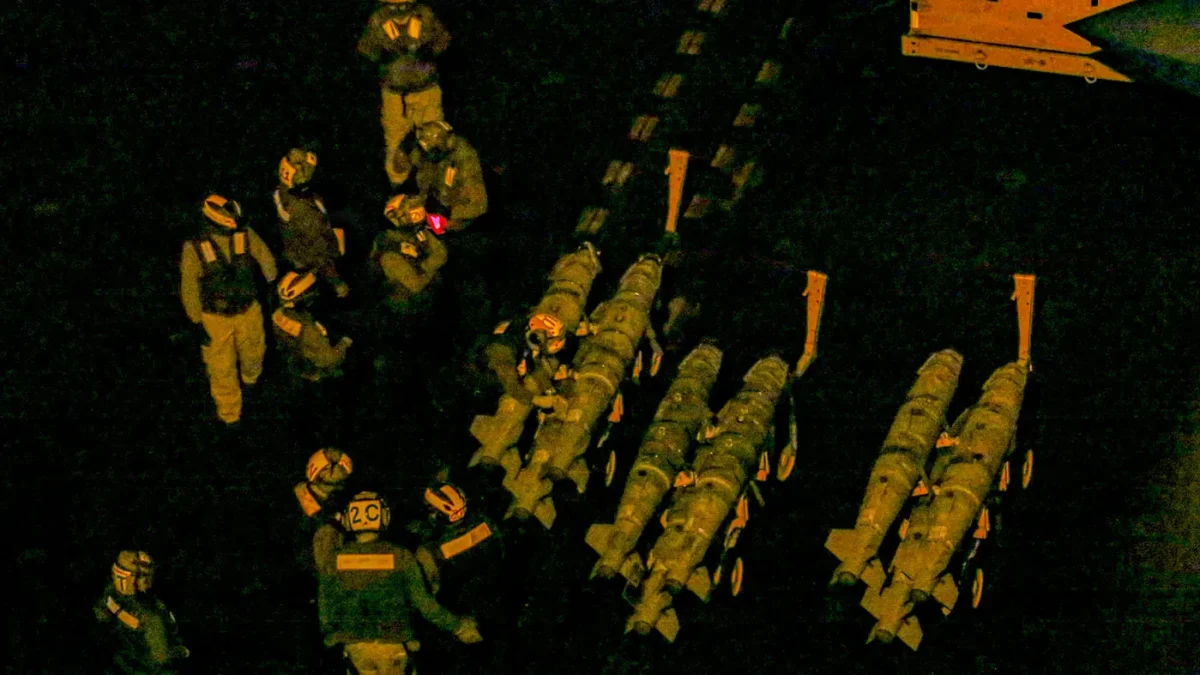
Table of Contents
Carrier Deployment Under Scrutiny: USS Abraham Lincoln Set for Homecoming After Extended Mission
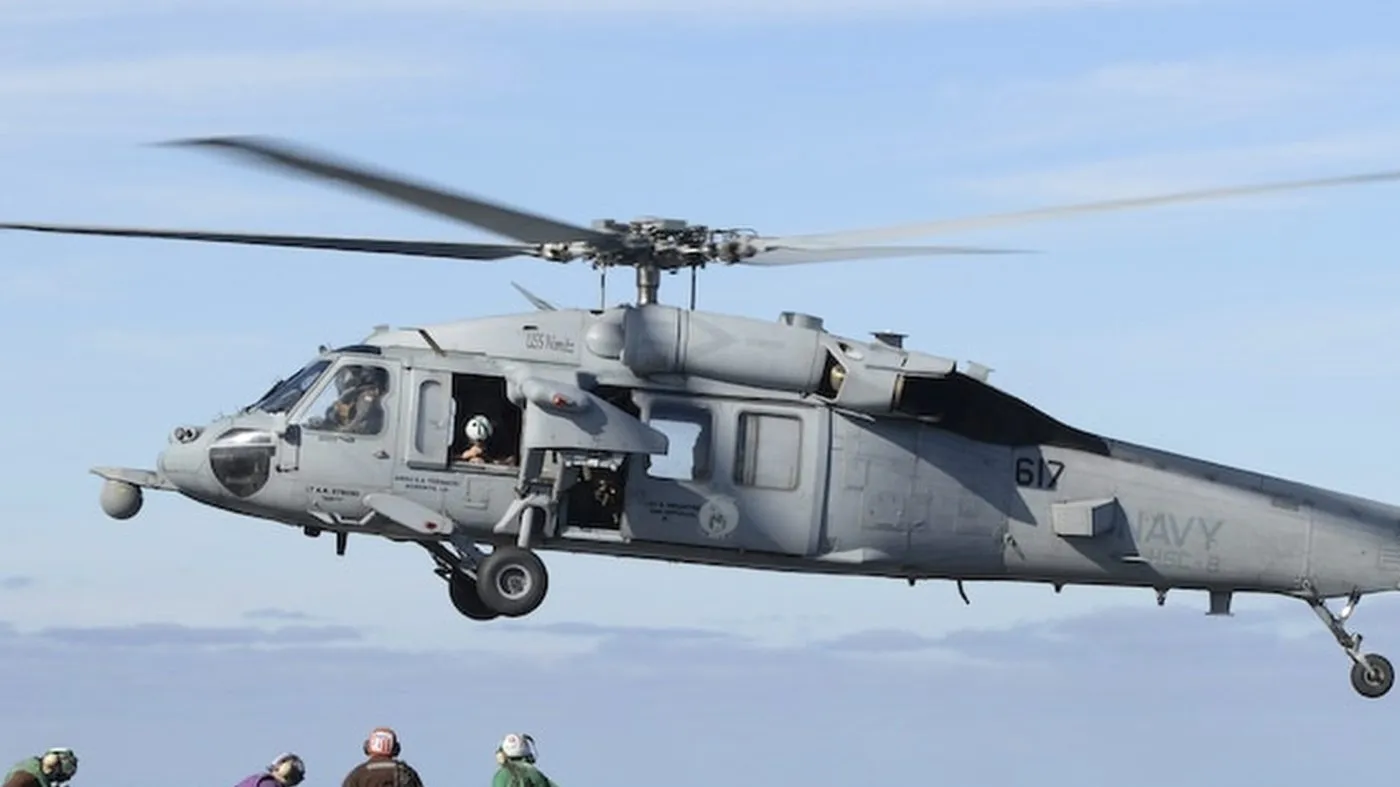
Provpnadvice.com – The USS Abraham Lincoln is preparing to return to American shores following an extended deployment that has drawn attention to the living and working conditions aboard the Nimitz-class aircraft carrier. Acting Navy Secretary Hung Cao confirmed the vessel’s planned rotation on Friday, emphasizing that the decision reflects both operational necessity and concern for the wellbeing of the approximately 5,000 sailors and Marines serving on board.
The carrier departed from San Diego in November, and its mission has now stretched beyond 260 days—well past the typical six-to-nine-month deployment cycle for U.S. Navy aircraft carriers. Cao acknowledged that the extension was driven by mission requirements, noting that combat operations in the Central Command theater naturally extend timelines and disrupt standard routines.
Conditions and Concerns Aboard the Carrier
Recent media coverage has highlighted several challenges faced by the crew during their extended stay in the war zone. Reports indicate supply difficulties, deteriorating mental health among some sailors, food quality issues including rotten provisions, and maintenance problems such as moldy shower facilities. These concerns have prompted Democratic lawmakers to request a formal congressional investigation into the state of affairs aboard one of two aircraft carriers currently operating in the U.S. Central Command area of responsibility.
Additionally, reports emerged that several sailors attempted to jump overboard from the vessel, suggesting that the psychological toll of the extended deployment has affected crew morale. Cao addressed these concerns directly, stating that while a small number of mental health cases required treatment, no lives were lost and meal plans were adjusted when fresh supplies were unavailable.
“The USS Abraham Lincoln crushed their deployment and will return home soon as part of a planned rotation. Details will come but let me be clear: the safety and security of our Sailors and Marines always comes first,” Cao said in a statement. “Mission accomplishment. Troop Welfare. This is how we lead.”
Operational Achievements Despite Challenges
Despite the reported hardships, the Lincoln has maintained a strong operational record. Cao noted that the carrier has spent 200 days specifically within the active war zone, completed more than 10,000 flight sorties, and delivered approximately 1.5 million pounds of ordnance to targets. These figures represent significant combat contributions during a period of heightened tensions involving U.S. forces in operations against Iran.
The acting Navy Secretary also highlighted that retention rates aboard the Lincoln remain among the highest of all U.S. aircraft carriers, suggesting that despite the challenges, sailors are choosing to remain in service. Cao explained that operational threats occasionally limited sailors’ ability to make phone calls home, but emphasized that this was a necessary trade-off for mission success.
“One of the hardest aspects about warfighting beyond knowingly placing our service members in harm’s way is that even with the best planning and communication, change and uncertainty will always be in play,” Cao said. “Our success depends on how we adapt.”
Political Response and Leadership Stance
Cao’s statement came amid what he characterized as media attempts to portray sailors as victims rather than resilient warriors. He argued that such coverage diverts attention from the primary threat facing the nation. Meanwhile, Democratic lawmakers continued to press for a bipartisan congressional delegation to visit the Lincoln and conduct an independent assessment of conditions aboard the vessel.
Leadership engagement has been active, with Cao, Vice Admiral Douglas Verissimo of Naval Air Forces, and Vice Admiral Joseph Cahill of Naval Surface Forces meeting with family members of sailors aboard the carrier last week. These meetings addressed growing concerns about morale as the deployment extended well beyond initial projections.
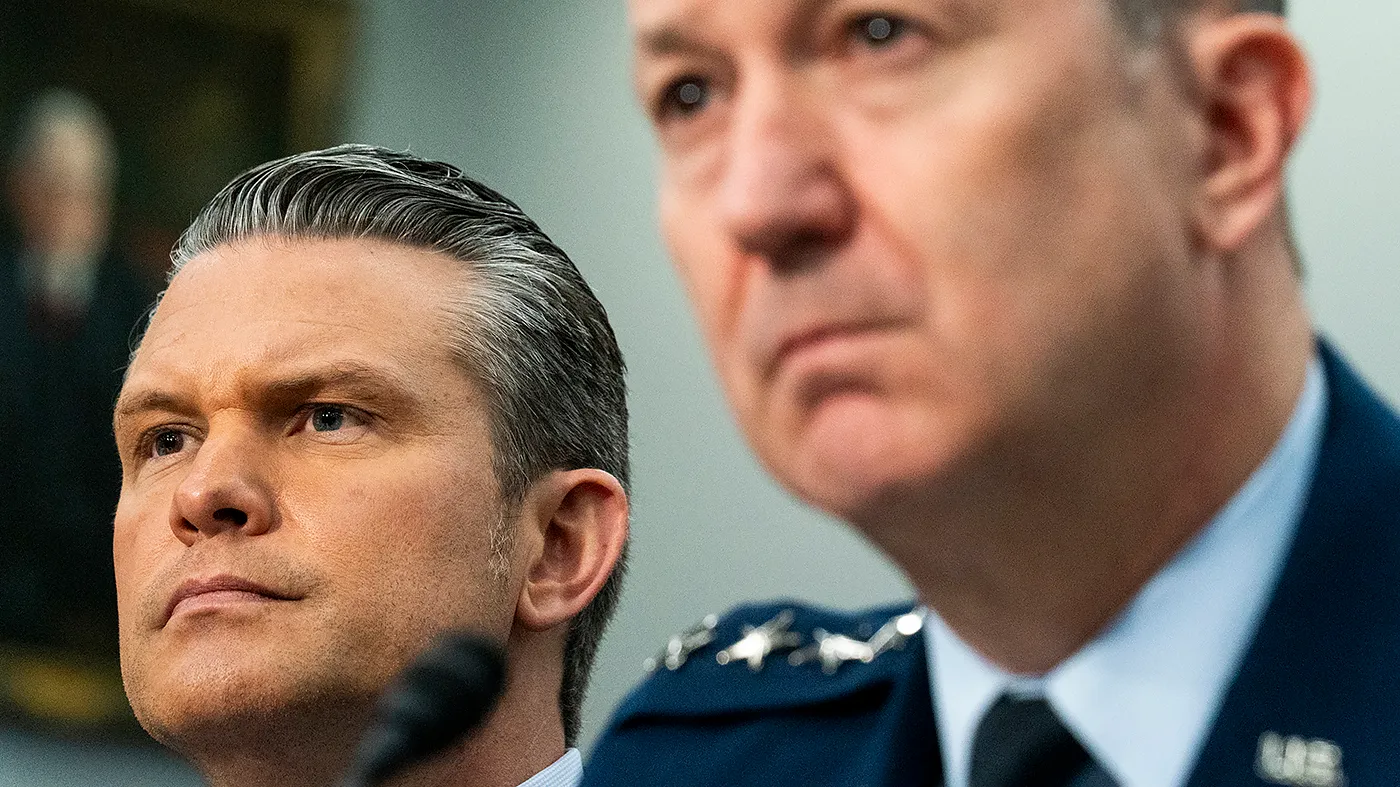
President Trump publicly disputed claims that families were overly concerned about conditions aboard the Lincoln. When questioned about the deployment length, Trump stated, “No. Not nearly long enough.” Defense Secretary Pete Hegseth echoed this sentiment during a visit to Panama, asserting that conditions had been “completely misrepresented” and praising sailors for their performance in austere conditions with limited port calls.
Replacement and Future Operations
The Pentagon has already positioned the USS George Washington to relieve the Abraham Lincoln. The replacement carrier was observed crossing the Strait of Malacca on Thursday, signaling the beginning of the transition process. This handover represents a critical moment for maintaining continuous carrier presence in the region while allowing the Lincoln’s crew to recover from their extended deployment.
“Sailors and Marines are expected to dig deep—and they always do. A leader’s responsibility is to take care of their people the best they can while balancing mission requirements,” the acting Navy secretary wrote. “During this deployment we have seen both: the job is getting done and our leaders are taking care of their people.”
Cao concluded his statement by affirming that while the crew has been pushed to their limits, they have never broken. He acknowledged that sailors are “rightly tired” but emphasized that they have remained continuously engaged in operations throughout the deployment. The acting secretary, who assumed his role in April following the removal of Navy Secretary John Phelan, stressed that the experience demonstrates both the difficulties of modern naval warfare and the resilience of American service members.
The return of the Abraham Lincoln represents not only a logistical transition but also an opportunity for the Navy to address the concerns raised during this deployment. With congressional investigations potentially underway and leadership actively engaging with families, the situation highlights the ongoing balance between operational demands and sailor welfare in contemporary naval operations. The carrier’s performance metrics—high sortie rates, substantial ordnance delivery, and strong retention figures—suggest that despite reported challenges, the mission has achieved its objectives while maintaining crew commitment to service.
Related Reading
Frequently Asked Questions
What is USS Abraham Lincoln is returning home?
USS Abraham Lincoln is returning home is the main topic of this guide. The article explains the context, practical details, and next steps readers should understand.
Why does USS Abraham Lincoln is returning home matter?
USS Abraham Lincoln is returning home matters because readers are looking for a useful answer, not just a short summary. Good content should match search intent and help them decide what to do next.