US aircraft carrier deploys to Middle East to relieve USS George Washington

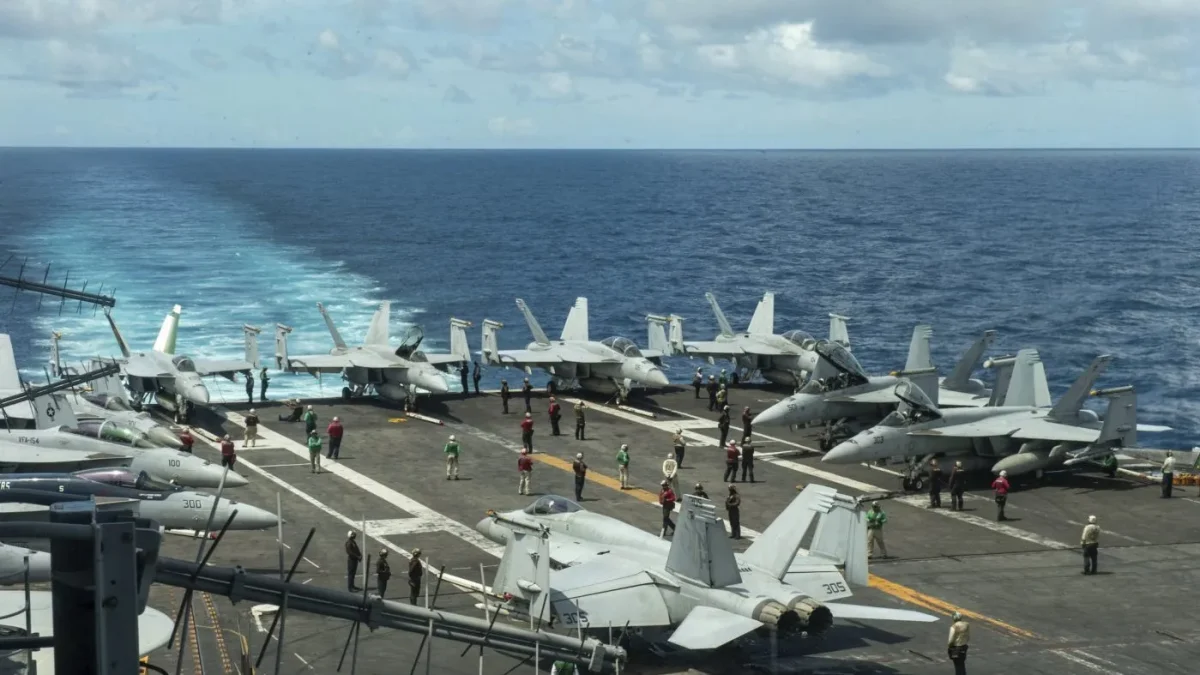
Table of Contents
USS Theodore Roosevelt Heads to Middle East as Navy Maintains Carrier Presence
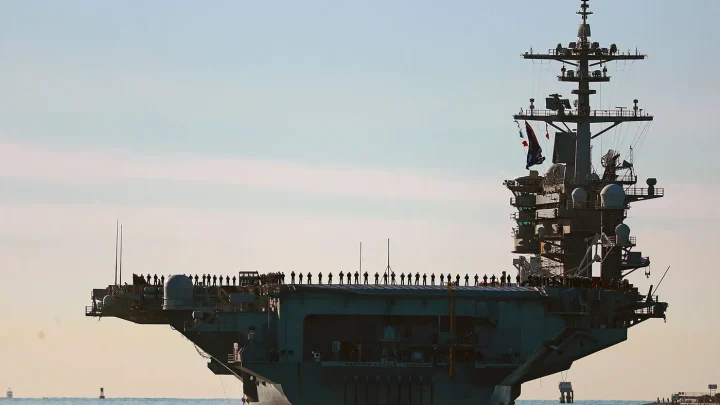
Provpnadvice.com – The U.S. Navy is sending the USS Theodore Roosevelt toward the Middle East as Washington continues operations connected to the conflict with Iran and the protection of commercial shipping routes.
The Nimitz-class carrier departed San Diego on Sunday. As the lead ship of Carrier Strike Group 9, the Theodore Roosevelt is expected to take over duties from the Japan-based USS George Washington, which entered the U.S. Central Command area last month.
The movement keeps a major U.S. naval presence in the region at a time when forces are focused on oil shipments through the Strait of Hormuz and enforcement of a naval blockade in the Arabian Sea. The narrow Strait of Hormuz is a strategically important route for global energy trade, making the security of commercial transit a central concern during the continuing crisis.
Shipping and blockade operations continue
U.S. forces have been working to support the movement of oil through the waterway while naval vessels remain active in the Arabian Sea. Central Command said Friday that military personnel had redirected 122 commercial ships since July as part of efforts to enforce compliance with the blockade.
Military officials have also said that more than 1 billion barrels of oil moved through the Strait of Hormuz in recent months. The volume illustrates why the route remains important not only for countries in the region, but also for energy markets and consumers around the world.
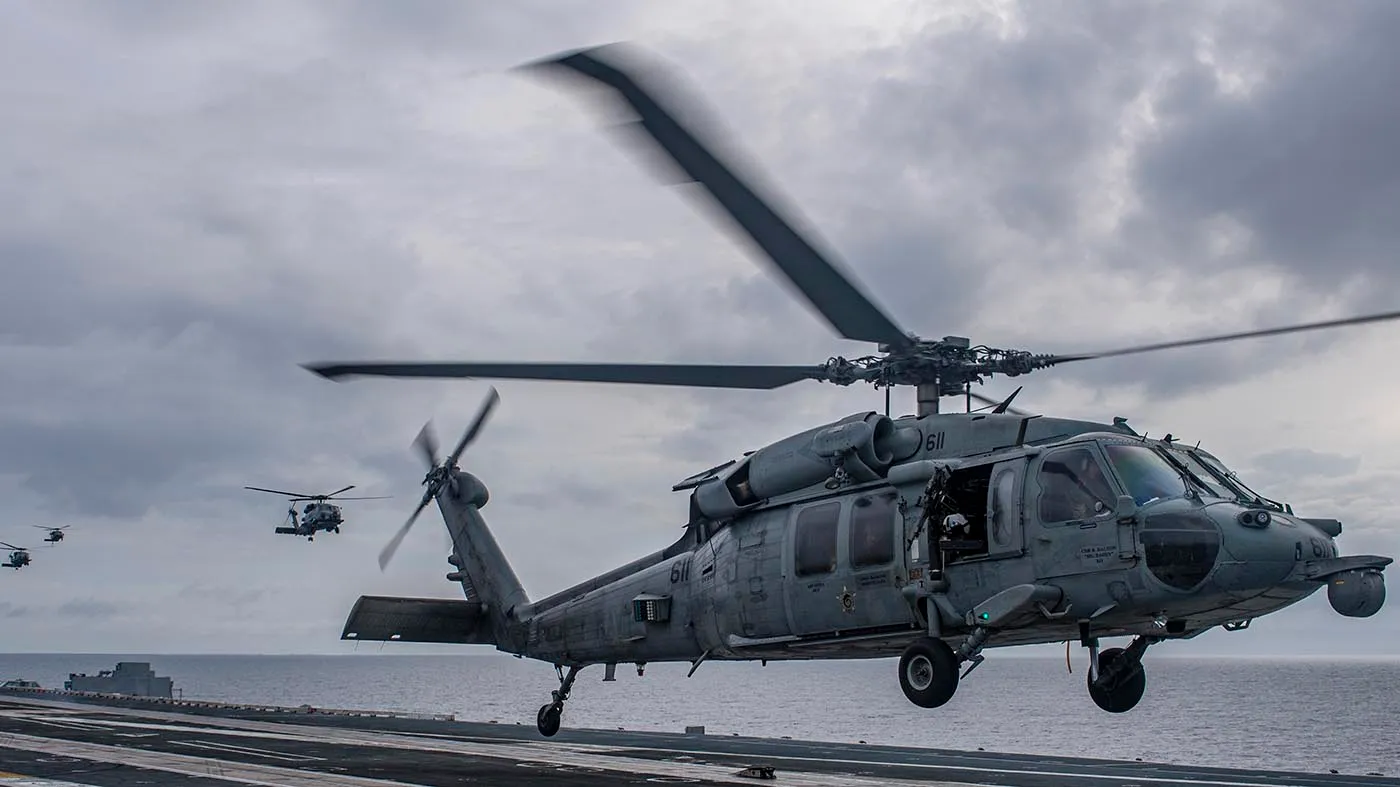
Aircraft carriers provide a broad range of military capabilities, including aviation operations, command support and the ability to operate with escorting ships in a carrier strike group. Rotating carriers can help the Navy sustain its missions while allowing vessels and crews that have already spent time deployed to leave the area.
Carrier rotations during the Iran conflict
The United States has maintained at least one aircraft carrier in the Central Command region since President Trump began the U.S. war with Iran in late February. The USS George H.W. Bush is also operating in the Middle East.
The USS George Washington was deployed to replace the USS Abraham Lincoln. That earlier deployment has drawn criticism from Democratic lawmakers and relatives of sailors after concerns were raised about difficult onboard conditions and deteriorating mental health among crew members.
Those concerns have renewed attention on the personal effects of lengthy deployments. Carrier crews can remain at sea for extended periods, and operational schedules may shift when regional conditions change or when missions require a continued presence.
The Theodore Roosevelt’s arrival is therefore more than a routine ship movement. It is part of a larger effort to maintain operations in a high-pressure environment while managing the demands placed on sailors and their families.
Pressure on sailors and families
Chief of Naval Operations Adm. Daryl Caudle addressed the strain of repeated conflict deployments while speaking with reporters last month. He said the Navy is seeking ways to give personnel more reliable planning information when deployment extensions become necessary.
“We’ve been in conflict pretty much the whole time I’ve been in the seat, and that’s certainly stressed the force,” Chief of Naval Operations Adm. Daryl Caudle told reporters last month. “I’m trying to work with my chain of command to put the extension process in a way that gives more certainty for planning.”
Caudle said service members should have clearer expectations when their units are preparing to operate in dangerous conditions. Better forecasts of how long a carrier strike group will remain assigned to a mission could help commanders, sailors and families make plans with greater confidence.
“If we know we’re going into harm’s way, we should be able to project with a little bit more fidelity how long the carrier and the strike group is going to stay on station.”
For families, uncertainty can be especially difficult when deployments are extended incrementally instead of being defined by a clear end date. Caudle described that uncertainty as a significant source of pressure for sailors.
“We do these extensions in little chunks, and the families don’t see any endpoint so they can plan their own lives,” Caudle continued. “That creates a lot of stress for sailors.”
As the Theodore Roosevelt moves toward the Middle East, its deployment will support the Navy’s continuing regional posture and provide relief for another carrier already assigned there. The transition also highlights the balancing act facing naval leaders: sustaining a visible military presence during an active conflict while reducing avoidable strain on the people serving aboard the ships.
Related Reading
Frequently Asked Questions
What is US aircraft carrier deploys to Middle?
US aircraft carrier deploys to Middle is the main topic of this guide. The article explains the context, practical details, and next steps readers should understand.
Why does US aircraft carrier deploys to Middle matter?
US aircraft carrier deploys to Middle matters because readers are looking for a useful answer, not just a short summary. Good content should match search intent and help them decide what to do next.