Trump cancels strikes on Iran; claims deal almost done

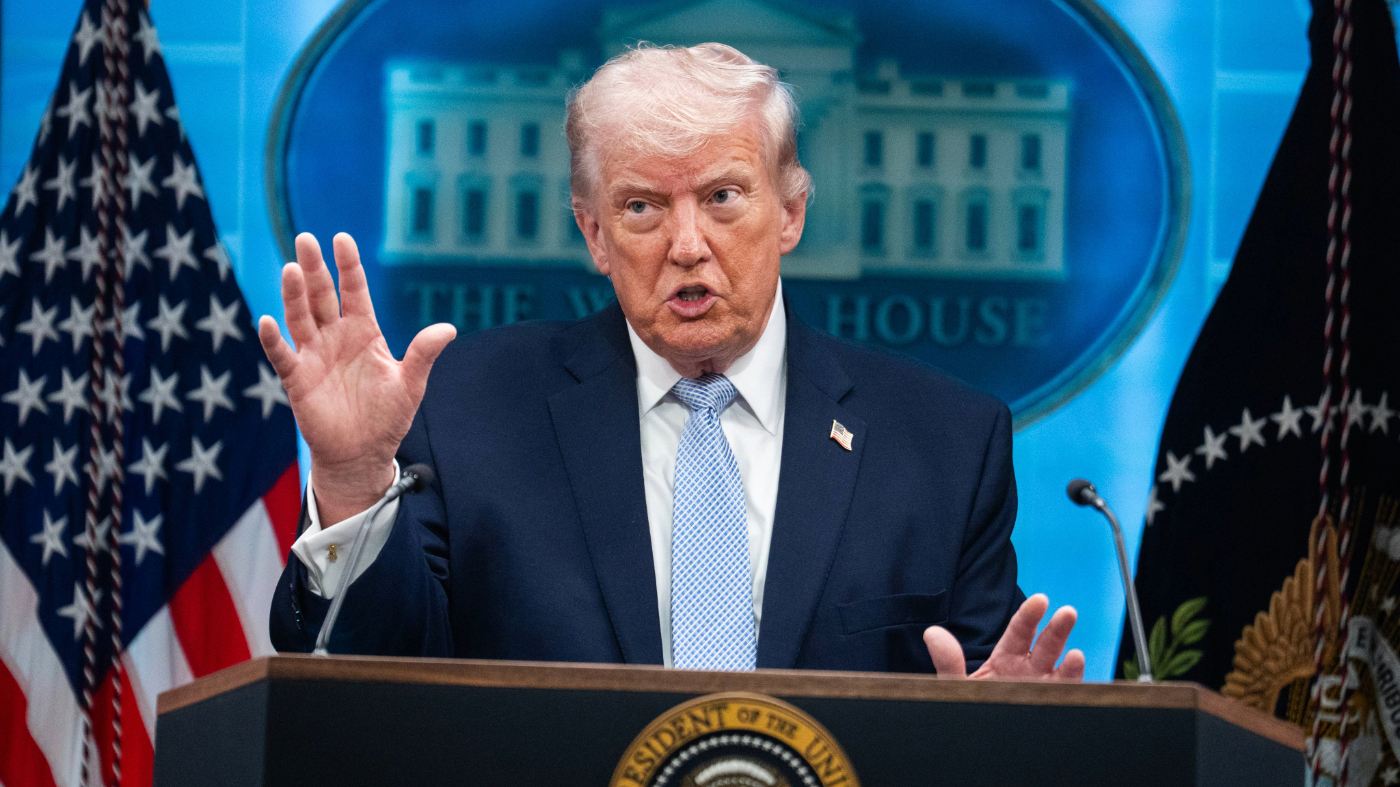
Trump Halts Iran Strikes, Cites Diplomatic Progress
Provpnadvice.com – On Thursday, President Trump announced the suspension of planned military actions against Iran, citing advancements in diplomatic negotiations. The decision came as tensions between the United States and Iran reached a critical juncture, with the potential for a full-scale conflict looming. According to the president, the talks had progressed to a significant stage, prompting him to call off the imminent strikes that were set to occur in the evening.
Diplomatic Breakthrough or Strategic Pause?
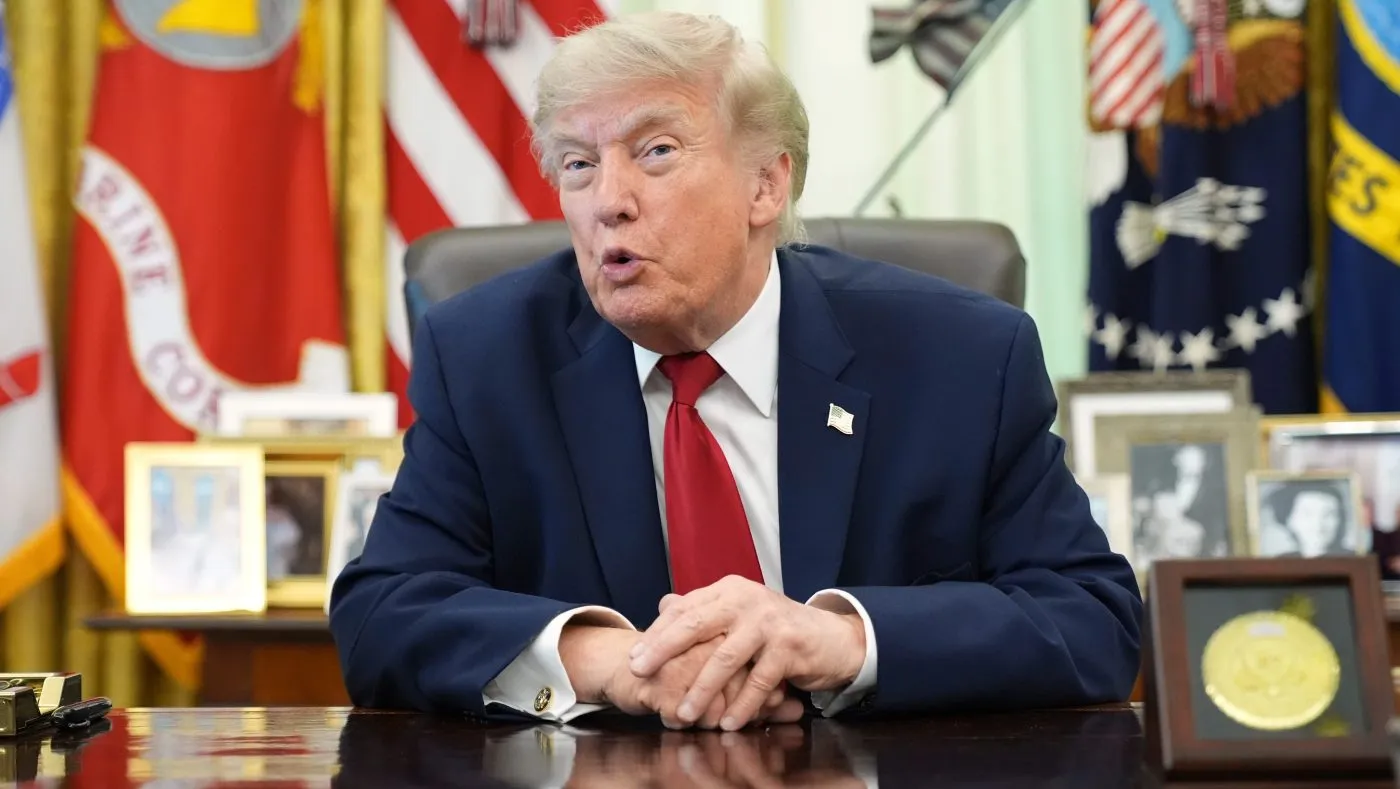
“Based on the fact that discussions with the Islamic Republic of Iran have been elevated to the highest level of their leadership and approved, I have, as President of the United States of America, cancelled the scheduled strikes and bombings against Iran this evening,” Trump stated in a post on Truth Social. The statement emphasized the consensus reached among key international partners, including the United States, Israel, Saudi Arabia, the UAE, Qatar, Turkey, Pakistan, Bahrain, Kuwait, Jordan, Egypt, and others.
“Discussions and final points have been, in both concept and great detail, approved by all parties involved,” he added, highlighting the collaborative nature of the negotiations. The president’s message suggested a shift from military escalation to a more diplomatic approach, though the implications of this change remain unclear to analysts.
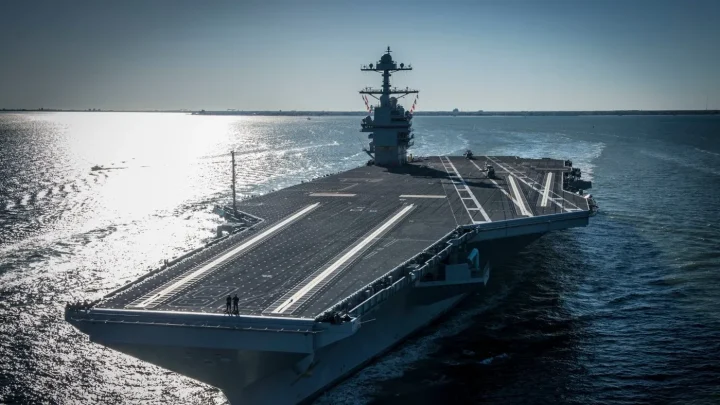
Despite the cancellation, Trump maintained that the U.S. naval blockade—implemented in April—would stay in effect until the “Transaction” was completed. The blockade, which targets Iranian vessels, has been a key element of the administration’s strategy to pressure Tehran into concessions. According to the U.S. Central Command, the blockade has so far disabled nine noncompliant ships, redirected 135 that attempted to breach it, and permitted 42 vessels carrying humanitarian aid to pass through the region.
Escalation and Retrenchment
Earlier in the day, Trump had issued a stark warning, vowing to launch additional airstrikes if diplomatic talks failed. The president’s threat followed a series of attacks conducted by U.S. forces over the past two days, which had already intensified hostilities. “The United States will be hitting Iran (Whose Navy, Air Force, Radar, Anti Aircraft, and all other forms of Defense, together with most of its offensive capability, are GONE!), VERY HARD TONIGHT,” he wrote, underscoring the potential for a decisive military strike.
However, the decision to cancel the strikes appears to have been made after the talks reached a pivotal moment. The exchange of attacks, which began earlier in the week, included an incident where an Iranian drone downed an Army Apache helicopter near the Strait of Hormuz. U.S. forces responded swiftly, using an uncrewed Navy drone boat to rescue the crew and ensure their survival. The operation marked a turning point in the conflict, as it demonstrated the effectiveness of both sides’ military capabilities.
Strategic Concerns and Public Backing
Trump acknowledged the challenges of securing public support for the operation, which military experts warned could result in casualties among American service members. “Look, my preference has always been: Take Kharg Island,” he said during a Thursday morning interview with Fox News’s “Fox & Friends.” The island, home to nearly 90 percent of Iran’s oil exports, was identified as a strategic target. Yet, the president also expressed doubt about the public’s willingness to back such a bold move, stating, “I don’t know that America has the stomach for that.”
While the strikes were postponed, the broader context of the conflict remains unchanged. The U.S. and Iran have been locked in a cycle of retaliation, with each side leveraging military force to assert dominance. The cancellation of the strikes has raised questions about whether the decision reflects genuine diplomatic progress or a temporary pause in hostilities. Analysts suggest that the outcome of these talks could determine the future of U.S.-Iran relations, potentially averting a full-blown war or escalating it further.
Iranian Response and Future Outlook
Hours before Trump’s announcement, Mohammad Bagher Qalibaf, the Iranian Parliament speaker and chief negotiator, warned of the consequences of American impatience. “Wrong strategies and impulsive decisions by the U.S. will reset the entire board for the worse, explode energy infrastructure and markets, and create an endless quagmire you’ll be stuck in for years,” he declared on social platform X.
“You will see a different Iran,” Qalibaf added, implying that the U.S. decision to cancel the strikes might force Tehran to adopt a more aggressive stance. His remarks highlight the deepening divide between the two nations, with each side accusing the other of prioritizing political posturing over concrete results.
The situation has drawn attention to the delicate balance between military action and diplomacy. While the cancellation of the strikes may signal a willingness to negotiate, it does not eliminate the risk of renewed hostilities. The U.S. Central Command has reiterated that the blockade remains in place, underscoring the administration’s commitment to applying pressure on Iran. At the same time, the threat of seizing Kharg Island looms large, symbolizing the high stakes of the ongoing standoff.
As the negotiations continue, the outcome will likely shape the trajectory of the conflict. Trump’s decision to halt the strikes reflects a calculated move to leverage the diplomatic momentum, but it also introduces uncertainty about the next steps. The president’s mixed messages—acknowledging the need for public support while still threatening a major military operation—reveal the complexities of his approach to international crises. With the clock ticking toward a potential agreement, the world watches closely to see whether the talks will lead to a lasting resolution or another round of escalation.
Key Players and Global Implications
The involvement of multiple regional allies underscores the geopolitical stakes of the situation. Countries such as Israel, Saudi Arabia, and the UAE have been instrumental in shaping the U.S. strategy, while others like Qatar and Turkey have played a mediating role. The coalition’s unified front in approving the strike plans suggests a shared interest in countering Iranian influence in the region.
Yet, the potential for miscalculation remains. The U.S. naval blockade has already disrupted Iranian shipping, but its long-term effectiveness depends on sustained enforcement. Meanwhile, the threat of seizing Kharg Island could have significant economic repercussions, as the island serves as a critical hub for oil exports. Analysts warn that such a move might provoke a stronger Iranian response, further complicating the already volatile situation.
In the end, Trump’s decision to cancel the strikes highlights the dynamic nature of international diplomacy. While the immediate threat of military action has been paused, the underlying tensions persist, with both sides prepared to act at a moment’s notice. The next steps will hinge on the progress of the negotiations and the ability of the U.S. to maintain public backing for its military posture. As the world holds its breath, the outcome could define the future of U.S.-Iran relations for years to come.