Kilmeade predicts ‘kinetic war’ with Iran before Labor Day

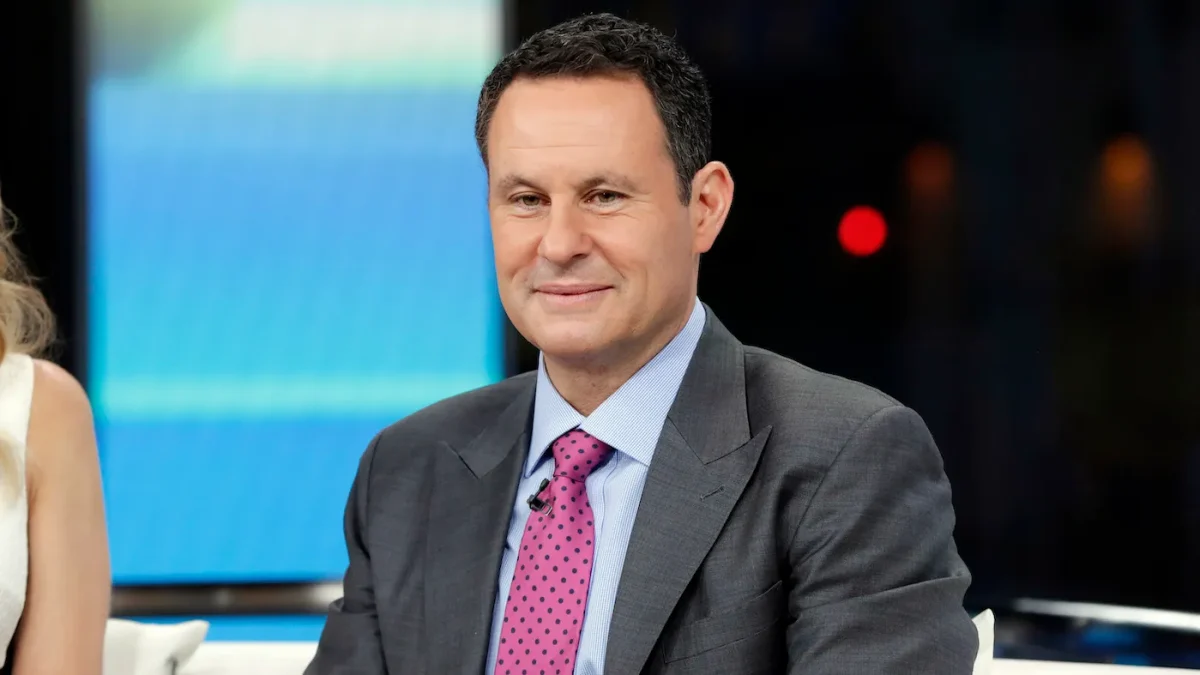
Table of Contents
Iran Conflict Could Escalate Before Midterm Elections, Analyst Forecasts
Provpnadvice.com – A prominent television commentator has issued a prediction that the United States will enter into direct military confrontation with Iran before the Labor Day holiday, a timing that places the potential conflict squarely within the critical window before November’s congressional elections. Brian Kilmeade, a regular contributor to Fox News programming, outlined this scenario during a Tuesday broadcast, suggesting that diplomatic and economic measures alone may prove insufficient to resolve tensions with the Middle Eastern nation.
Economic Pressure as Precursor to Military Action
Kilmeade’s analysis suggests that President Trump will initially deploy economic tools to increase pressure on Tehran, but ultimately military force will become necessary to achieve American objectives. The commentator noted that the administration appears to be pursuing a strategy of escalating constraints on Iran’s financial stability before committing to more direct confrontation.
I think the real story is what we do next in Iran. I think the president’s going to put the economic squeeze on them. I think the misery index is up to 91 percent.
The timing of this potential escalation carries significant political weight. With midterm elections approaching in approximately two months, any major military engagement could influence voter sentiment and congressional race outcomes. Republican lawmakers, particularly those defending vulnerable seats in both chambers of Congress, are closely monitoring how the conflict affects American households and public opinion.
Gas Prices and Economic Impact on American Families
The ongoing tensions have already begun to manifest in consumer markets, with fuel costs rising noticeably over the past year. Data from AAA indicates that the average price for a gallon of regular gasoline reached approximately $4.04 in mid-August, representing a substantial increase from the $3.14 level recorded during the same period last year. This nearly 29 percent jump in fuel costs has not gone unnoticed by American consumers and political strategists alike.
Higher energy prices tend to affect voter behavior, particularly among working-class Americans who may feel the impact most acutely. The inflationary pressure from the Iran situation extends beyond gasoline, with transportation and manufacturing costs potentially rising as supply chains adjust to geopolitical uncertainty. These economic indicators could become significant factors in the upcoming election cycle.
So, just my point is this: I think we end up in a kinetic war to finish this thing off before Labor Day because the Iranians need to understand who the superpower is.
Strategic Concerns Within the Administration
Despite what some observers might consider successful military operations, former Defense Secretary Mark Esper raised questions about the administration’s overall strategic posture. Speaking on a NewsNation program, Esper suggested that the Trump administration appears to be operating defensively rather than proactively in its approach to the Iran situation.
Tactically, we have imposed a lot of pain on them through our U.S. military strikes against their air force, their navy, their militias, their ballistic missile forces — done a lot of tactical damage.
Esper’s assessment highlights an important distinction between tactical success and strategic positioning. While American forces have inflicted considerable damage on Iranian military infrastructure, the broader question of whether the administration has a coherent long-term strategy remains open to debate. This distinction could prove important as the situation evolves in the coming weeks.
Iran’s Economic Vulnerability
The Trump administration has emphasized Iran’s economic weaknesses as a potential avenue for achieving American objectives without necessarily resorting to full-scale military engagement. The president has characterized current negotiations as only partially active, suggesting that the United States is primarily observing rather than actively engaging in diplomatic processes.
We are only semi-negotiating with them. We are just watching Iran with its huge inflation and the fact they have no money.
This characterization aligns with Kilmeade’s earlier comments about Iran’s misery index reaching 91 percent, indicating that economic pressure may already be producing significant results within the Iranian economy. High inflation combined with limited financial resources could constrain Tehran’s ability to respond to both economic sanctions and potential military action.
Political Implications for the Fall Elections
The intersection of foreign policy and domestic politics has never been more pronounced than in the current cycle. Republican lawmakers face the dual challenge of managing an international crisis while simultaneously defending their congressional majorities. Any escalation in the Iran situation could either strengthen or weaken their position depending on how the public perceives American leadership and the administration’s handling of the crisis.
The Labor Day deadline suggested by Kilmeade creates a natural timeline for political observers to watch. If military action occurs before the holiday, it will happen while the economy is still adjusting to higher energy costs and while voters are still forming their opinions about the conflict’s trajectory. The timing could prove crucial for Republican candidates who need to demonstrate both strength and stability during this period of international uncertainty.
As the situation continues to develop, all eyes will be on whether economic pressure alone can achieve American objectives or whether the predicted kinetic confrontation becomes reality. The coming weeks will likely determine not only the direction of U.S.-Iran relations but also potentially influence the outcome of one of the most consequential midterm elections in recent American history.
Related Reading
Frequently Asked Questions
What is Kilmeade predicts kinetic war with Iran?
Kilmeade predicts kinetic war with Iran is the main topic of this guide. The article explains the context, practical details, and next steps readers should understand.
Why does Kilmeade predicts kinetic war with Iran matter?
Kilmeade predicts kinetic war with Iran matters because readers are looking for a useful answer, not just a short summary. Good content should match search intent and help them decide what to do next.