Hegseth upgrades medals of three Marines who survived Afghanistan attack five years ago

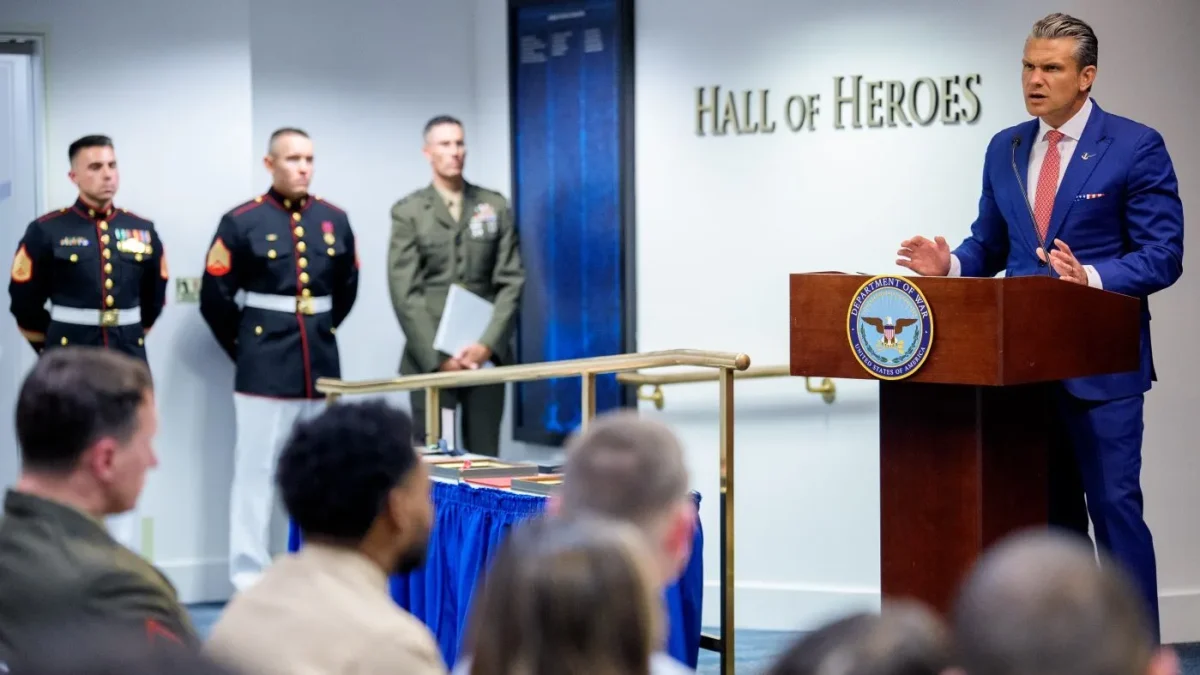
Table of Contents
Hegseth Upgrades Medals of Three Marines
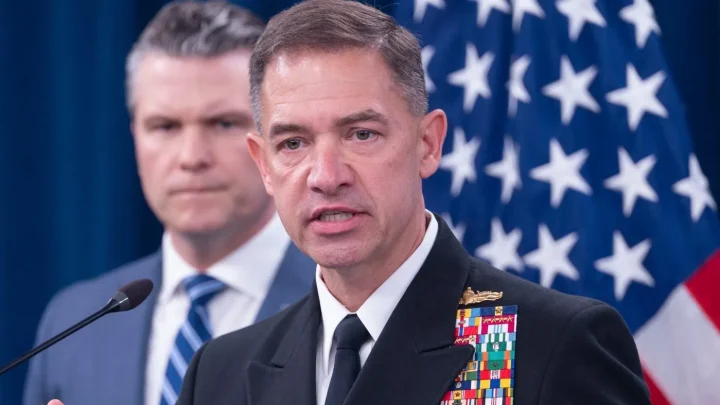
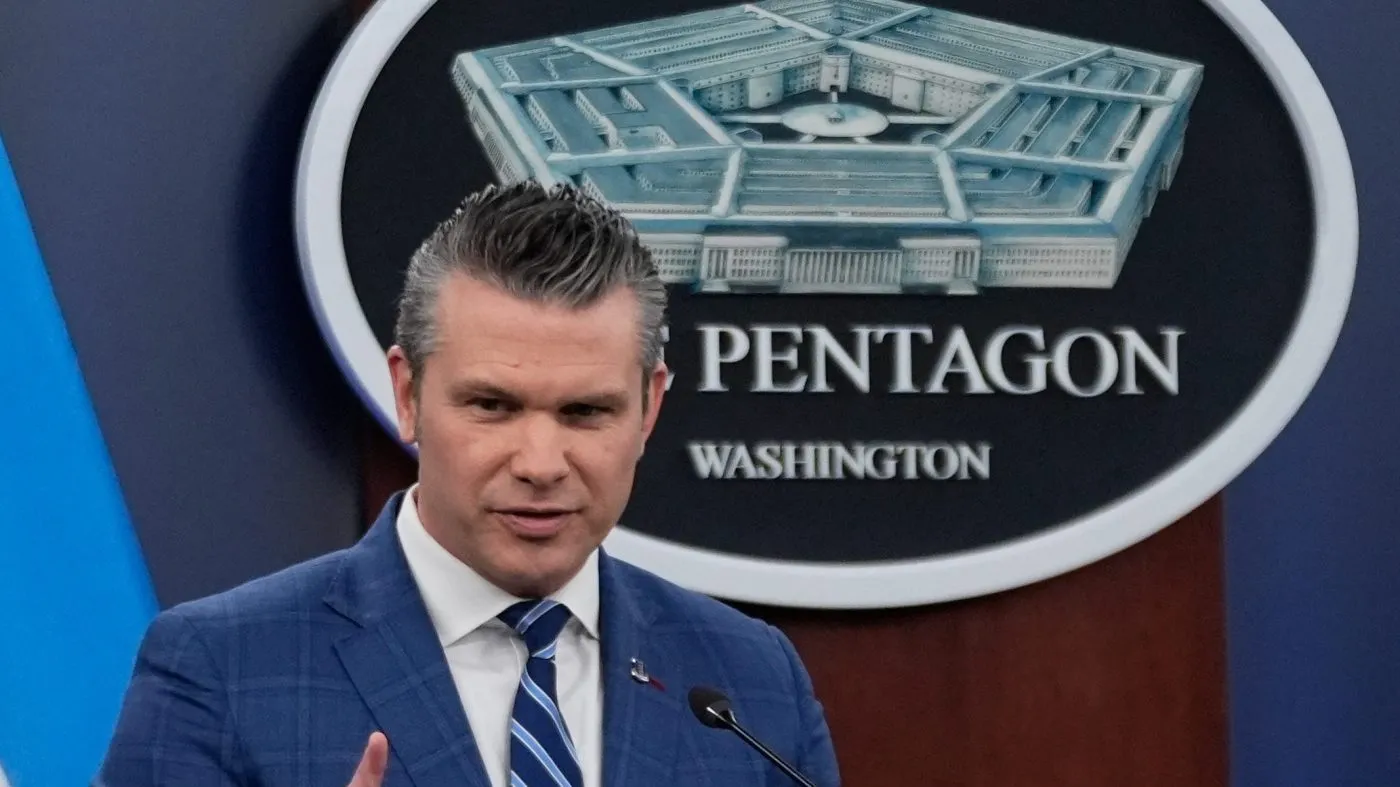
Provpnadvice.com – On the fifth anniversary of the deadliest single-day American military loss since Vietnam, Defense Secretary Pete Hegseth upgrades medals of three Marines who held their posts at a bombed airport gate in Kabul. The Pentagon ceremony formally elevated the combat decorations of Gunnery Sgt. Jonathan Eby, Cpl. Michael Gretzon, and Lance Cpl. Jordan Houston — the three service members assigned to guard the Abbey Gate at Hamid Karzai International Airport on August 26, 2021, when a suicide bomber detonated a vehicle loaded with explosives, killing 13 U.S. service members and roughly 170 Afghan nationals.
The action did not arise from impulse. Earlier in the year, the Pentagon’s Afghanistan Withdrawal Special Review Panel determined that the original decorations issued in the blast’s aftermath understated the genuine scale of danger those Marines confronted. The panel recommended higher-tier awards, and the Secretary acted on that finding at a ceremony deliberately timed to the anniversary of the tragedy.
What Changed in the Citations
Houston and Eby each received the Bronze Star Medal fitted with a “V” device — the small bar that separates an award granted specifically for valor from one granted for meritorious service. Gretzon was awarded the Navy and Marine Corps Commendation Medal, likewise carrying the “V” device. The distinction is not cosmetic: the original citations had omitted the valor designation, effectively recasting the Marines’ actions as competent duty rather than extraordinary courage under direct fire.
“They stood in the direct blast zone with minimal cover, fully aware of an imminent suicide threat,” Hegseth told the assembled audience. “Yet they stayed on that line because they knew that their brothers in arms and thousands of innocents depended on them.”
The Abbey Gate had become the narrow chokepoint through which thousands of Americans and Afghan interpreters, contractors, and allies funneled during the final chaotic days of the U.S. withdrawal. When the bomber struck, the gate was the last structured barrier between the fleeing crowd and Taliban forces closing in from every direction. The Marines’ decision to remain at their posts — despite knowing a second device might follow — is what the upgraded citations now formally acknowledge.
Political Fault Lines Beneath the Ceremony
The medal upgrades arrived amid a still-simmering dispute over responsibility for the August 2021 evacuation. Hegseth had ordered a comprehensive review of the withdrawal the previous year, after Afghanistan collapsed into Taliban control following nearly two decades of American military engagement. The Trump administration has pointed squarely at former President Joe Biden, arguing that his decision to proceed with the pullout — announced publicly in early August 2021 — triggered a cascade of panic as Afghan security forces abandoned their positions and the Taliban swept into Kabul within days.
Most independent assessments, however, have landed in a more distributed frame of accountability. President Trump signed the December 2020 agreement with the Taliban that set the timetable for withdrawing all American forces. Biden inherited that timetable and chose to execute it. By most analysts’ accounting, the result was a shared failure: one administration set the clock, the other pulled the trigger, and the institutional machinery in between proved unable to manage the operational chaos that followed.
Hegseth used the podium to press that point directly, directing criticism at what he characterized as bureaucratic inertia under the prior administration.
“A military that downplays its frontline heroes to avoid uncomfortable political truths only projects weakness,” Hegseth said. “For too long, leadership in this capital city failed to match that frontline courage with administrative backbone, inappropriately downgrading the original award submissions that these men rightfully deserved.”
The remark framed the upgrades not merely as a correction of record but as a rebuke to a prior chain of command that, in his telling, allowed “bureaucratic caution, or maybe politics, to stand in the way of proper recognition.”
Classified Documents Resurface
Earlier the same Wednesday, Sean Parnell — who serves as both chief Pentagon spokesman and chairman of the Afghanistan Withdrawal Special Review Panel — announced that classified documents had been located during the ongoing review of the Kabul airport attack. Parnell described the papers as having been “stashed and hidden away in safes where they would not be found,” language that immediately raised questions about who had concealed them and why.
Frequently Asked Questions
Why were the medals upgraded five years after the attack? The Pentagon’s Afghanistan Withdrawal Special Review Panel concluded that the original decorations failed to capture the true scale of danger the three Marines faced. The panel recommended higher-tier awards with valor designations, and the Secretary acted on that recommendation at a ceremony timed to the fifth anniversary of the bombing.
What specific decorations were upgraded? Gunnery Sgt. Jonathan Eby and Lance Cpl. Jordan Houston each received the Bronze Star Medal with a “V” device. Cpl. Michael Gretzon received the Navy and Marine Corps Commendation Medal with a “V” device. The “V” device distinguishes an award granted for valor from one granted for meritorious service.
Who was Sean Parnell, and what did he announce? Sean Parnell serves as chief Pentagon spokesman and chairman of the Afghanistan Withdrawal Special Review Panel. He announced that classified documents related to the Kabul airport attack had been located during the ongoing review, describing them as having been hidden in safes where they would not be found.