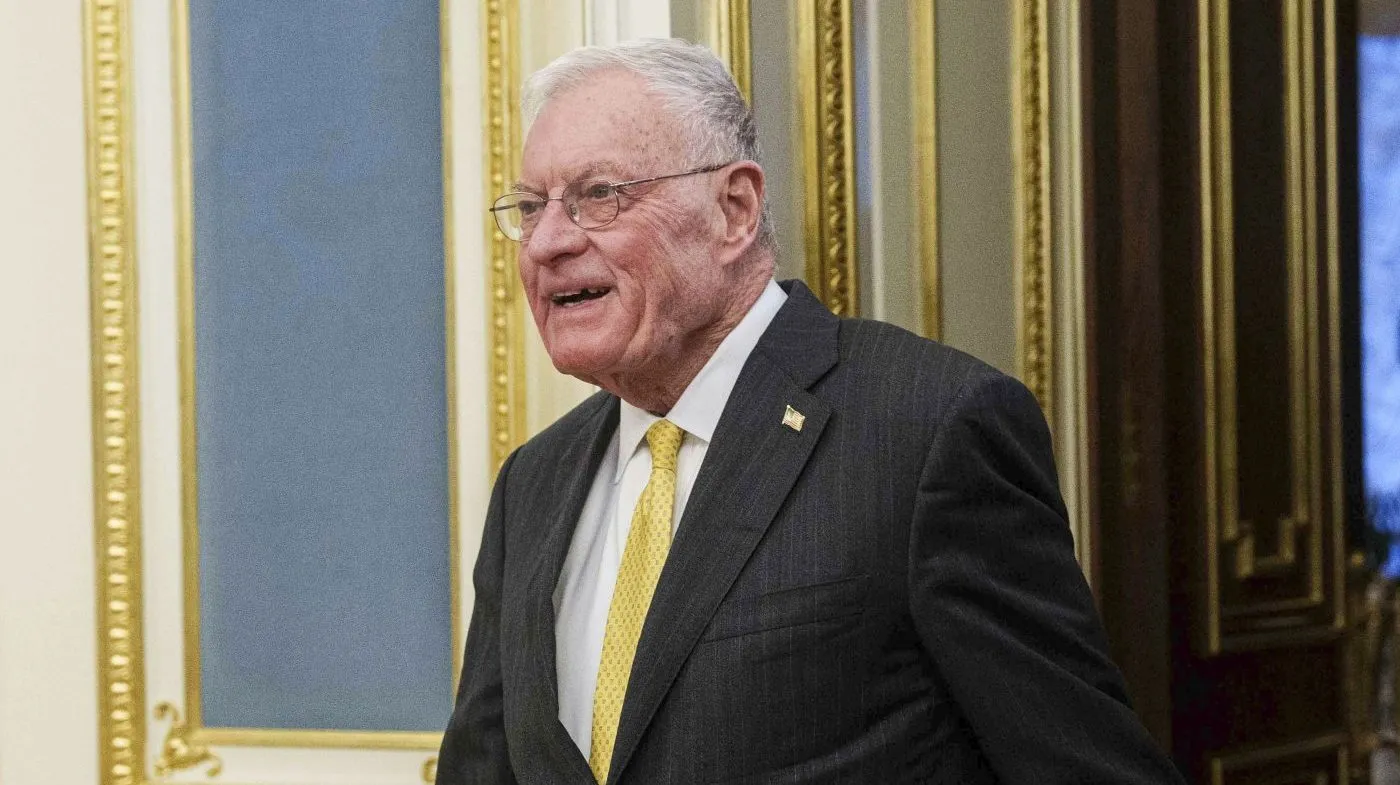
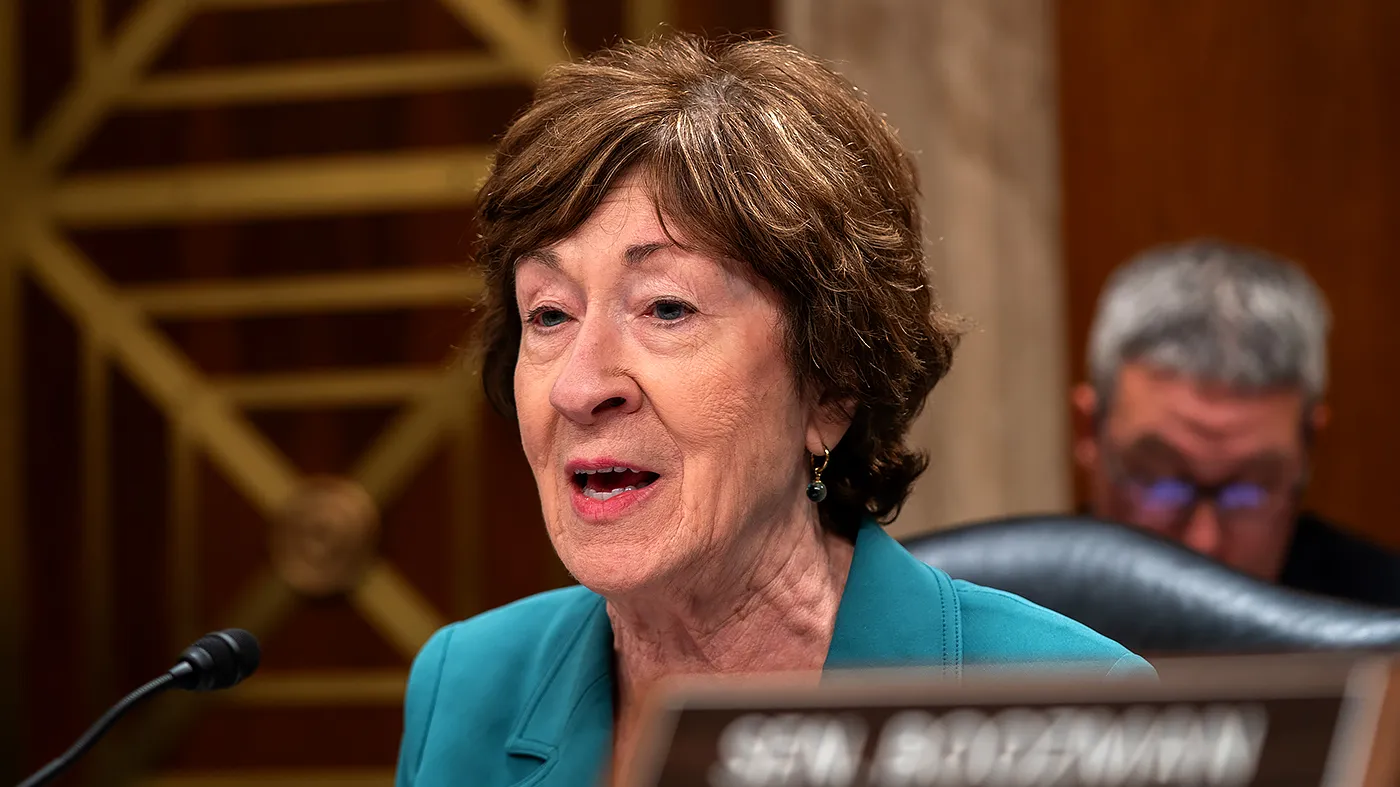
Bacon echoes Tillis: Hegseth ‘would not be on my team’

Table of Contents
House Republican Joins Senate Colleague in Open Call for Hegseth’s Removal
Provpnadvice.com – The fracture between the White House’s top military official and a growing bloc of his own party’s senior lawmakers deepened on Wednesday when Rep. Don Bacon of Nebraska publicly aligned himself with Sen. Thom Tillis of North Carolina in urging President Trump to dismiss Defense Secretary Pete Hegseth. Bacon’s remarks, delivered during a television interview, marked one of the most pointed intra-party challenges yet to Hegseth’s continued tenure at the Pentagon.
Bacon: “He Would Not Be on My Team”
Speaking on CNN’s “Anderson Cooper 360,” the Nebraska Republican made clear that his frustration with Hegseth’s leadership extends beyond abstract policy disagreements into a personal judgment about the secretary’s fitness for command.
“I agree with the sentiments of Sen. Tillis. I hate to tell the president who he should hire and fire. I don’t know if it’s really my role, but I would say this: I would not — he would not be on my team. I think he is — he has not been a very good leader in many ways.”
Bacon reinforced the point moments later in the same interview, stripping away any ambiguity about his position.
“So, I agree with the sentiments of Sen. Tillis, and I wouldn’t hire him myself. He would not be on my team.”
The language is notable for a sitting member of the House who, until recently, had not joined the chorus of Republican voices questioning Hegseth’s stewardship. By invoking Tillis by name and echoing the senator’s core argument, Bacon signaled that the criticism is no longer confined to a single chamber or a single state delegation.
Tillis’s Escalating Campaign Against the Secretary
Tillis, a senior member of the Senate Armed Services Committee, had already called on Trump to remove Hegseth, citing what the North Carolina Republican characterized as the secretary’s “inept management” of the armed forces. The senator’s public pressure intensified sharply following the announcement that Army Secretary Dan Driscoll would resign his post. Driscoll, who had served as the principal civilian leader of the Army, clashed with Hegseth on multiple occasions over the removal of senior Pentagon officials, and his departure was widely read as a symptom of the broader dysfunction Tillis has been describing.
In a post on the social platform X, Tillis praised Driscoll while directing pointed criticism at the secretary.
“I have never witnessed more inept management of the brave men and women who serve our country. He is intimidated by competence and retreats to ginning up culture wars instead of soberly attending to the vital work of our national defense and the health and well-being of our fighting force.”
Tillis also described Driscoll as “the right man at the right moment to lead our Soldiers and Army civilians,” a characterization that implicitly framed the resignation as a loss inflicted by Hegseth’s own management style rather than a routine personnel change.
Broader GOP Unease: Turnover, War Strategy, and Bipartisan Funding
The Bacon-Tillis alignment arrives amid a cluster of anxieties that have unsettled key Republican lawmakers. Three threads run through their public and private concerns. First, the pace of senior-staff turnover at the Pentagon has outstripped what most committee members consider sustainable for institutional continuity. Second, the administration has yet to articulate a coherent endgame strategy for the ongoing conflict with Iran, leaving congressional appropriators without a clear framework against which to weigh spending requests. Third, the White House has struggled to build the bipartisan coalition necessary to secure funding for its defense priorities, a gap that becomes acute when the president’s own party members are publicly questioning the competence of his top military appointee.
The $70 Billion Question
The stakes of the internal GOP dispute are sharpened by the administration’s push for more than $70 billion in emergency national security spending to cover costs associated with the Iran war. Securing that appropriation will require not only Democratic votes but also the confidence of Republican committee chairs and rank-and-file members who must defend the request before their constituents. A defense secretary whom prominent members of his own party have publicly described as a poor leader faces a materially harder path through the appropriations process than one who commands broad intra-party support.
Hegseth has been a polarizing figure since assuming the Pentagon portfolio, drawing praise from some conservative commentators for his blunt communication style while attracting sustained criticism from career military leaders and, increasingly, from Republican legislators who sit on defense committees. The tensions that have simmered between the secretary and senior GOP lawmakers on Capitol Hill are now expected to surface with greater frequency as the administration advances its emergency spending agenda and as additional personnel decisions at the Pentagon come under congressional scrutiny.
For Bacon, a member of the House Armed Services Committee, the Wednesday interview represented a deliberate step beyond committee-room frustration into public, on-the-record opposition. His decision to name Tillis and to adopt the senator’s framing — that the president should simply fire the secretary — suggests that at least some House Republicans are preparing to make the case for Hegseth’s departure not as a partisan maneuver but as a matter of institutional accountability and military readiness.
Related Reading
Frequently Asked Questions
What is Bacon echoes Tillis?
Bacon echoes Tillis is the main topic of this guide. The article explains the context, practical details, and next steps readers should understand.
Why does Bacon echoes Tillis matter?
Bacon echoes Tillis matters because readers are looking for a useful answer, not just a short summary. Good content should match search intent and help them decide what to do next.